How to Clean for Ringworm: A Practical Guide
Learn how to clean for ringworm safely, reduce spread, and protect your home. This comprehensive guide covers surfaces, laundry, and daily hygiene with practical steps and trusted cleaning practices.


How to clean for ringworm safely starts with thorough cleaning and disinfection to prevent spread. Clean and disinfect all shared surfaces, bathroom fixtures, and pet areas; launder towels, bedding, and clothing on the hottest safe setting; avoid sharing personal items; wash hands frequently and dry skin well. If symptoms persist or worsen, consult a clinician promptly. Keep corners dry and ventilate.
How to Clean for Ringworm: Why Cleaning Matters
Understanding ringworm (tinea) is the first step in controlling its spread in a home. Ringworm is a fungal infection that can affect skin, nails, and scalp. It spreads through direct skin contact and via contaminated surfaces like towels, clothing, and shared gear. Keeping a clean home reduces the fungal load on everyday objects and minimizes the chance of reinfection. According to Cleaning Tips, adopting a consistent cleaning routine lowers the risk of household transmission and supports medical treatment plans. Remember: cleaning is supportive and not a substitute for medical care when infection is present.
In households with suspected or confirmed ringworm, the cleaning plan should focus on the infected person’s environment, contaminated textiles, and shared spaces. The goal is to break the chain of transmission by removing spores from high-contact surfaces. This approach is aligned with general infectious-disease cleaning guidance found in major public-health resources.
Key takeaway: cleaning reduces exposure risk, but medical evaluation is essential for proper treatment and monitoring.
Key Surfaces and Items to Clean
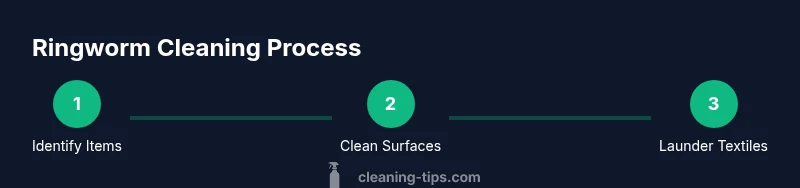
Ringworm spores can cling to many surfaces and textiles. Prioritize areas and items that see frequent contact or direct exposure to the infected individual or pet. High-priority targets include bathrooms (sinks, counters, shower stalls, and floors), door handles, light switches, shared towels, bed linens, clothing, and pet bedding. For households with children or pets, step up cleaning frequency in common rooms and play areas. In addition to surfaces, examine items like combs, brushes, and hair accessories for contamination. Cleaning Tips recommends assigning a dedicated laundry bag and cleaning kit for contaminated items to prevent cross-contamination.
Low-traffic zones such as closets or storage shelves may be cleaned less often, but they should still be included in a regular cleaning cycle to maintain overall hygiene. When in doubt, treat any item that touched the infected area as potentially contaminated and wash it separately.
Pro tip: keep a checklist of items to clean in the order you clean them (surfaces first, textiles second) to avoid backtracking.
Cleaning Methods and Safe Products
Most household cleaning starts with soap and water to remove visible soil, followed by disinfection to kill remaining fungi. Use EPA-registered disinfectants that are labeled effective against fungi, and follow label directions for concentration and contact time. When using bleach, dilute according to the product label and ensure good ventilation. Avoid mixing cleaners, especially ammonia and bleach, to prevent hazardous fumes.
For surfaces that tolerate it, a hydrogen-peroxide-based cleaner can be a gentler option. For fabrics and soft surfaces, detergents alone may not be enough; add a washer-disinfecting step if your machine supports it. Always test a small, inconspicuous area first and wear gloves to protect your skin during cleaning.
Warnings: never mix cleaners, keep cleaners away from children and pets during use, and discard single-use wipes after a session. If you have respiratory sensitivities, choose milder cleaners and work in a ventilated area.
Laundry and Fabrics: What to Wash and How
Contaminated fabrics—like towels, bed linens, and clothing—should be washed separately from clean laundry. Use the hottest setting safe for the fabric and a suitable detergent. Dry on a high heat setting if the fabric tolerates it, as heat helps kill residual spores. Bag or place contaminated textiles in a sealed bag before moving them to the laundry area to limit dispersion.
For items that cannot be laundered (such as certain textiles or stuffed toys), consider dry cleaning or thorough surface cleaning with an appropriate disinfectant. After laundering, avoid shaking textiles to minimize airborne spores; fold items carefully and store them away from clean laundry.
Tip: set up a dedicated hamper for contaminated items to streamline the process and reduce cross-contamination.
Personal Hygiene and Household Habits to Prevent Spread
Effective cleaning is complemented by consistent personal hygiene and household routines. Infected individuals should wash hands frequently with soap and water, avoid sharing towels, combs, or clothing, and keep nails trimmed to reduce the spread of spores. Daily showering and drying the skin thoroughly after washing can help minimize skin-to-skin transfer. Cleaning of shared bathrooms should occur after each use by an infected person, focusing on the sink, shower, and floor.
For households with pets, consult a veterinarian if ringworm is suspected in animals and take appropriate steps to prevent cross-species transmission. Educate all household members about signs of infection and reinforce the habit of not sharing personal items.
Pro tip: create a simple hygiene routine chart and post it in common areas to keep everyone on track.
When to Seek Medical Advice and Next Steps
Cleaning greatly reduces the risk of spread, but medical care is essential for proper treatment. If skin lesions worsen, spread to new areas, or fail to improve after a few days of cleaning and over-the-counter measures, seek a clinician’s advice. People with weakened immune systems or visible scalp involvement should consult a healthcare provider promptly. Pets showing signs of infection should be examined by a veterinarian to prevent zoonotic transmission.
Keep a record of cleaning activities and symptom changes to share with your clinician; this helps tailor treatment and gauge progress. Cleaning Tips emphasizes that a clean environment supports recovery but does not replace prescription antifungal therapy when prescribed. By combining medical guidance with structured cleaning, you can manage ringworm more effectively at home.
Tools & Materials
- Gloves (disposable latex or nitrile)(Protect hands during cleaning; have a fresh pair for each cleaning session)
- Soap and water(Basic cleaning for soil removal and debris)
- EPA-registered disinfectant labeled antifungal or fungicidal(Follow label for contact time and dilution)
- Bleach (sodium hypochlorite) or alternative disinfectant(Use only if surfaces tolerate it; dilute per product label; ensure ventilation)
- Microfiber cleaning cloths(Lint-free and highly absorbent for effective cleaning)
- Laundry detergent(For washing contaminated textiles separately from clean laundry)
- Separate laundry bags for contaminated items(Prevents cross-contamination during transport)
- Trash bags(For disposable wipes and single-use items)
- Vacuum with HEPA filter(Optional for removing dust from hard floors and upholstered surfaces)
- Drying rack or clothesline(Air-dry when heat is contraindicated for fabrics)
Steps
Estimated time: 2-3 hours
- 1
Identify and Gather Contaminated Items
Begin by identifying items that touch the patient or suspect textiles—towels, bedding, clothing, pet bedding, and shared belongings. Put on gloves before touching contaminated items and place them in a sealed bag or bin to prevent spreading spores during transport to the laundry area.
Tip: Keep a separate basket for contaminated items to avoid cross-contamination. - 2
Clear the Cleaning Area
Before cleaning, remove clutter and designate a cleaning zone in a well-ventilated area. Do not mix contaminated items with clean ones. Open windows or use a fan to keep air moving while you work.
Tip: Ventilation reduces inhalation of any aerosolized fungal particles. - 3
Wash Surfaces with Soap and Water
Scrub hard surfaces (sinks, countertops, floors in the cleaning area) with soap and water to remove visible soil and reduce fungal load. Rinse with clean water and dry with a fresh cloth.
Tip: Rinse thoroughly to prevent residue that could harbor spores. - 4
Disinfect High-Touch Surfaces
Apply an EPA-registered disinfectant labeled effective against fungi on high-touch surfaces (doorknobs, switches, faucets). Follow the label for contact time and ventilation.
Tip: Do not wipe away disinfectant too soon; respect the recommended contact time. - 5
Launder Contaminated Linens Separately
Place towels, bedsheets, and clothing in a separate wash cycle from clean items. Use the hottest safe setting and a detergent designed for germicidal cleaning.
Tip: Use a laundry bag to transport contaminated textiles to the washer. - 6
Clean Pet Bedding If Present
Wash or sanitize pet bedding and any areas your pet frequents. Use pet-safe cleaners and ensure spaces are thoroughly dried before reuse.
Tip: Check pets for signs of infection and seek veterinary guidance if suspected. - 7
Wash Clothes and Towels on Safe Settings
Wash all clothing and towels that touched the infected person on a hot or warm cycle compatible with the fabric. Use an appropriate amount of detergent and avoid overloading the machine.
Tip: If hot cycles aren’t possible, use a longer wash cycle with a suitable disinfectant. - 8
Dry Thoroughly
Dry fabrics at a high heat setting if the material tolerates it. Ensure items are completely dry before reuse to prevent any fungal regrowth.
Tip: Line-drying indoors without adequate heat can leave moisture behind. - 9
Prevent Future Spread
Institute a routine: don’t share personal items, clean high-touch areas daily, and maintain regular laundry schedules. Educate household members about signs and hygiene practices.
Tip: Create a simple, repeatable cleaning plan that fits your household routine.
Questions & Answers
Is cleaning my home enough to stop ringworm from spreading on its own?
Cleaning reduces the risk of spread, but it is not a substitute for medical treatment. If you or a pet show signs of ringworm, consult a healthcare provider or veterinarian for diagnosis and antifungal therapy.
Cleaning helps reduce spread, but you still need medical care if the infection is present or spreading.
Should I separate and wash contaminated clothing and bedding separately from clean laundry?
Yes. Wash contaminated textiles separately on the hottest safe setting with appropriate detergent, and dry thoroughly before mixing with clean items.
Yes—wash contaminated items separately to prevent cross-contamination.
How long can ringworm spores remain on surfaces?
Fungal spores can persist on surfaces if not cleaned. Regular disinfection and thorough laundering of textiles significantly reduce risk.
Spores can linger if not cleaned, so thorough disinfection is important.
Can pets spread ringworm to humans?
Yes, ringworm is zoonotic. If a pet shows signs, seek veterinary care and isolate the animal from shared spaces until treated.
Pets can spread ringworm; get the animal checked and treat if needed.
Is it safe to use household bleach around kids and pets?
Bleach can be used if labels are followed and the area is well-ventilated. Keep away from children and pets during application and avoid mixing with other cleaners.
Bleach is safe when used as directed and with good ventilation.
When should I see a doctor for ringworm?
If symptoms worsen, spread, or don’t improve after a few days of cleaning, contact a healthcare provider for evaluation and treatment.
See a doctor if it doesn’t improve or spreads.
Watch Video
The Essentials
- Begin with surface disinfection to reduce spores
- Launder contaminated textiles separately from clean laundry
- Use EPA-registered cleaners and follow label directions
- Do not share personal items during cleaning and treatment
- Consult a clinician if symptoms persist or spread
- Maintain ventilation and avoid mixing cleaners to stay safe