How to Keep Your Underwear Clean from Discharge: A Practical Guide
Learn practical, step-by-step methods to keep underwear clean from discharge. Discover daily habits, stain treatment, fabric-aware laundering, and safe drying for fresher, healthier underwear.


This guide provides a practical, step-by-step routine to keep underwear clean from discharge. You’ll learn daily habits to minimize staining, how to pre-treat common marks, laundering by fabric type, and effective drying. With consistent, small changes, you’ll enjoy fresher underwear and greater laundry confidence.
Understanding discharge and why underwear cleanliness matters
Discharge is a normal part of many people’s reproductive health, and it can vary in color, consistency, and amount. Keeping underwear clean from discharge helps prevent odor, maintains fabric integrity, and reduces skin irritation. According to Cleaning Tips, a calm, routine approach—focusing on prompt treatment and proper washing—offers the most reliable results. This section explains what discharge is, why it differentially stains fabrics, and how fabrics respond to moisture. You’ll also learn how to recognize signs that may require medical advice, such as unusual color changes, strong smell, itching, or irritation. The goal is practical guidance you can apply daily, not fear-based alarm. By understanding the typical color spectrum (clear to milky white or pale yellow) and the factors that influence staining—fabric type, detergent choice, and washing temperature—you can tailor a simple protocol that keeps underwear clean and comfortable as part of a healthy laundry routine.
In this guide, the emphasis is on actionable steps you can take today. The Cleaning Tips team emphasizes that routine hygiene, prompt pre-treatment, and appropriate laundering are the foundation of clean underwear. Remember, you don’t need expensive products to see real improvements; consistent habits and careful fabric care often provide the best results.
Daily habits to minimize discharge staining
Daily habits matter just as much as the big stain-removal steps. Start with a straightforward routine: change underwear at least once per day, and more often if you notice dampness or odor. Shower or wipe gently with water before dressing, and consider using a gentle, fragrance-free soap on the external area to reduce residue that can transfer to fabric. When possible, wear breathable cotton or moisture-wicking blends that help keep the area drier and cooler, which reduces the appearance of stains over time. Promptly placing underwear in cold water rinse after use can prevent stains from setting, especially if discharge is present. Cold water helps keep fibers firm and makes later pre-treating easier. Consistency is key—set a reminder if needed and pair laundry with regular chores so your underwear routine becomes automatic. Cleaning Tips recommends pairing daily hygiene with a simple stain-prevention mindset: quick checks of fabric, color, and fit will guide the rest of your laundry plan.
Also consider a basic laundry routine that respects your schedule and budget. Use a mild detergent free of aggressive fragrances, and avoid heavy pre-wash cycles for delicate fabrics. If you notice recurring staining on one color, separate that color into its own load to prevent dye transfer. Small changes, like rinsing before washing and using cold water for most loads, add up over weeks and help your underwear stay cleaner longer.
Brand-wise, you’ll see how regular habits outperform sporadic, aggressive cleaning. The Cleaning Tips analysis shows that steady, gentle care yields the best long-term results for daily underwear hygiene, especially for moisture-prone areas.
Pre-treating stains before laundry
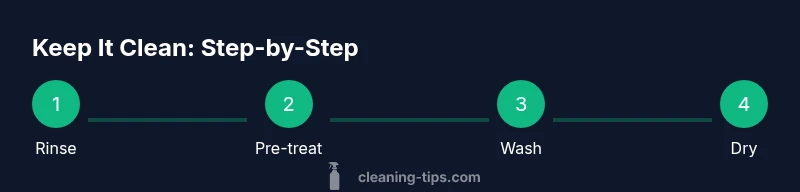
Pre-treating is where most people gain the biggest payoff in stain removal, especially for discharge marks. Start with a quick cold-water rinse to loosen the residue, then apply a small amount of mild detergent or an enzyme-based stain remover directly to the stained area. Gently rub with a soft brush or your fingertips for 15–20 seconds, then let it sit for 5–10 minutes. If you’re dealing with white or color-safe fabrics, a light paste of baking soda and water can help lift residues without harsh chemicals. For tougher stains, afterward, launder in cold or warm water according to the fabric’s care label.
Avoid chlorine bleach on colored underwear, as it can erode fabric and cause color loss. Oxygen-based or peroxide-based bleach alternatives may be suitable for white or color-safe fabrics; always test on a small seam first. For natural fibers like cotton, pre-treating with a dilute vinegar solution (1 part white vinegar to 3 parts water) can help neutralize residues and odors, but do not mix vinegar with hydrogen peroxide, which can create a reaction. As Cleaning Tips notes, pre-treating promptly boosts success and reduces the need for aggressive washing later.
If you frequently encounter discharge stains, consider keeping a small, labeled stain-removal kit in your laundry area. A simple kit might include a mild detergent, an enzyme-based stain remover, a soft-bristled brush, a white cloth, baking soda, and a spray bottle for mixed solutions. Always follow product labels and perform a patch test before applying any chemical to a fabric you value.
For best results, work on one item at a time and avoid over-wetting; excess moisture can spread stains to nearby areas. If you’re unsure about a fabric type, test the treatment on an inconspicuous area first and consult the garment’s care label.
Laundry guidelines by fabric type and color
Fabric type and color determine how you should wash underwear. Cotton underwear usually tolerates warm or cold water and mild detergents; synthetics like nylon blends might benefit from cooler washes to preserve elasticity. If you’re washing delicate fabrics (lace, mesh, or silk blends), use a gentle cycle and a mesh laundry bag to protect fibers. Colorfast fabrics in bold hues should be washed separately the first few times to prevent dye transfer; this is especially important when discharge is present, which may leave faint residues on lighter colors.
Grouping loads by color and fabric type helps prevent dye transfer and friction that can worsen staining. When possible, use a low-foam, gentle detergent and avoid fabric softeners, which can coat fibers and trap moisture. For odor control, a small amount of white vinegar (1/2 cup per load) added to the rinse cycle can reduce odor without impacting fabric color. If you notice persistent staining on underwear after several loads, it may warrant a dedicated wash routine for problem items and re-checking stain removal steps.
Drying methods matter too. Line-drying works well for most fabrics and helps maintain elasticity; tumble drying on low heat is acceptable for cottons and sturdy blends but can degrade delicate fibers over time. Always consult the care label for exact temperatures, and avoid high heat which can shrink or warp fabrics. Proper drying reduces residual moisture that can attract bacteria and cause odor.
Choosing underwear fabrics and moisture control
Choosing the right fabric is a proactive way to keep underwear clean from discharge. Natural fibers like cotton and cotton blends tend to breathe well and wick moisture away from the skin, which helps reduce staining and odor. Breathable materials promote airflow, keep the area drier, and minimize the chance that discharge will cling to the fabric. Look for underwear with a cotton gusset or moisture-wicking lining if you’re prone to heavier discharge. Avoid non-breathable fabrics for daily wear in hot climates or during intense activity, as dampness can worsen odor and staining.
In addition to fabric choice, consider the cut and fit. A well-fitted waistband and legs reduce friction that can cause micro-tears in care-sensitive fabrics, which can trap residues. If you’re sensitive to fragrances or dyes, select color-free, fragrance-free options. Cotton is a versatile base, but blends with moisture-wicking properties can offer extra comfort in warm weather. Regular rotation of underwear with breathable options helps maintain freshness and reduce staining over time.
Finally, consider wearing breathable underwear during the day and changing more frequently if you experience heavy discharge or sweating. A practical rule is to change underwear at least once per day and after workouts or workouts with heavy sweating. The goal is to keep the area dry and comfortable while protecting fabric color and elasticity.
When to seek medical advice
Discharge is often normal, but some changes may signal a medical concern. Seek medical advice if you notice a drastic change in color (green or gray), a strong or persistent odor, itching, burning, unusual discharge after consistent hygiene, or fever. These signs can indicate infections or other conditions that require evaluation from a clinician. Keeping a simple log of symptoms and any new products you’ve used can help a healthcare professional diagnose more quickly. Remember, your privacy is important, and a clinician can provide discreet, respectful care and guidance. If you’re pregnant or have concerns about health during pregnancy, consult a healthcare professional promptly.
When in doubt, err on the side of caution and schedule a check-in with a healthcare provider. The goal of medical advice is to ensure you’re healthy and comfortable, and to address any concerns early before they escalate into more serious issues.
Practical stain-removal methods and products
Effective stain removal combines proper pre-treatment with fabric-friendly laundering. For discharge-related stains, start with a cold water rinse and apply a small amount of detergent directly to the stain, then rub gently with a soft brush. Let sit briefly and launder according to the fabric’s label. For white underwear or color-safe whites, consider a mild oxygen-based bleach following the product’s directions; never apply bleach directly to delicate fabrics. If a stain persists after washing, avoid drying the item, as heat can set the stain. Instead, repeat the pre-treatment and washing steps before drying.
For odor control, a rinse with a diluted vinegar solution (1/2 cup vinegar per load) on the final rinse can help neutralize odors without harming color. Baking soda can also be used as a gentle booster in the wash; add 1/2 cup to a standard load. Always air-dry delicate fabrics to preserve elasticity and shape, and store underwear in a dry, well-ventilated area to prevent musty odors. If you prefer commercially available products, choose enzyme-based stain removers designed for underwear and test on a small hidden area first.
Authority sources
- https://www.cdc.gov/
- https://www.who.int/
- https://www.mayoclinic.org/
These sources offer general guidelines on hygiene, infection prevention, and healthy washing practices. For specific medical concerns related to discharge, consult a healthcare professional.
Tools & Materials
- Underwear (cotton or breathable blends)(Have at least 7-10 pairs for a weekly rotation)
- Mild detergent (fragrance-free)(Choose a formula suitable for delicates if needed)
- Enzyme-based stain remover(Test on a hidden seam first)
- White vinegar (optional)(Dilute 1:3 with water for pretreating or rinsing)
- Baking soda(For gentle stain lifting and odor control)
- Soft-bristled brush or clean cloth(Use for gentle agitation of stains)
- Cold water rinse bowl or washing machine setting(Cold rinse helps prevent setting stains)
- Mesh laundry bag(Protect delicate fabrics in the wash)
- Drying rack or line(Air-drying preserves elasticity)
Steps
Estimated time: 30-45 minutes
- 1
Gather supplies and assess fabric
Collect underwear, detergent, stain remover, vinegar and baking soda if using, a soft brush, and a drying rack. Inspect each item for labels and note any stains to tailor your approach. This ensures you choose the right treatment and washing settings.
Tip: Check care labels before mixing treatments on delicate fabrics. - 2
Rinse and blot discharge
Rinse the stained area with cold water to loosen residue. Blot gently with a clean cloth to lift moisture without rubbing, which can push stain deeper into fibers. Repeat as needed until the fabric feels damp, not soaking wet.
Tip: Avoid hot water at this stage to prevent set-in stains. - 3
Pre-treat the stain
Apply a small amount of enzyme-based stain remover or mild detergent directly to the stain. Gently rub with a soft brush for 15–20 seconds and let sit 5–10 minutes. For white or color-safe fabrics, you can add a light baking soda paste if the stain persists.
Tip: Always test on a hidden seam first to avoid fabric damage. - 4
Launder with fabric-appropriate settings
Wash according to the fabric care label using cold or warm water and a gentle cycle. Use a mild detergent, and consider adding a half-cup of white vinegar to the rinse for odor control on moisture-prone fabrics. Do not mix bleach with vinegar.
Tip: Do not overload the washer; allow room for proper agitation. - 5
Air-dry and inspect
Line-dry delicate items or use a low-heat setting for sturdier fabrics. Do not tumble dry until the stain is fully gone. If the stain remains, repeat pre-treatment and washing before drying.
Tip: Heat can set remaining stains, making them harder to remove later.
Questions & Answers
Is discharge always normal and should I worry about it?
Discharge is common and varies among people. Most changes are normal, but notify a clinician if you notice persistent color changes, strong odor, itching, or irritation.
Discharge is usually normal, but persistent changes or itching should be discussed with a clinician.
Can I use bleach on underwear?
Bleach can damage fabrics and colors. Use oxygen-based or color-safe options on whites, and avoid bleach on colored or delicate underwear.
Bleach can harm fabrics and colors, so use gentler alternatives on most underwear.
What fabrics help with moisture control?
Cotton and moisture-wicking blends offer better airflow and moisture control, reducing staining and odor.
Cotton and moisture-wicking blends are good for staying dry and comfortable.
How often should I wash underwear?
Wash underwear after each use. If you’re wearing it overnight or for a long day, a fresh pair is best.
Wash after each wear; change daily for best hygiene.
Can vinegar help with stains?
A mild vinegar rinse can help neutralize odors and residues on some fabrics. Do not mix vinegar with hydrogen peroxide.
Vinegar can help with odor and residue on some fabrics; avoid mixing with hydrogen peroxide.
Should I use hot water for washing?
Hot water can set certain stains and degrade elasticity in some fabrics. Use cold or warm water following fabric care labels.
Hot water can set stains and wear fabrics faster, so stick to cold or warm as advised.
Watch Video
The Essentials
- Use a simple, consistent routine for cleanliness.
- Pre-treat promptly to improve stain removal success.
- Choose breathable fabrics to minimize moisture and staining.
- Air-dry to protect fabric integrity and elasticity.