Clean Gutter Service: How to Choose and Maintain Your Gutters
Learn how to choose and maintain a clean gutter service for a healthier home. This guide covers safety, pricing ranges, maintenance tips, and what to expect from a professional gutter cleaning.


Ready to protect your home with a clean gutter service? You’ll remove debris, flush the gutters and downspouts, and inspect for damage. Key requirements include safe ladder setup, basic tools, and a plan for ongoing maintenance. According to Cleaning Tips, choose a provider with transparent pricing and a clear written report.
Why clean gutters matter
Maintaining clean gutters is a task with outsized impact on home health. Gutters collect rainwater and channel it away from your foundation, protecting soil, landscaping, and the bottom edge of your roof. When gutters become clogged, water can back up and spill over the sides, seeping into fascia boards, siding, and even basements. Over time, this can lead to wood rot, mold growth, and higher moisture levels around the home. A clean gutter service does more than remove leaves; it assesses drainage capacity, checks joints and fasteners, and confirms downspouts carry water away from the base of the house. From a practical perspective, well-functioning gutters preserve the roofline, reduce soil erosion around the foundation, and minimize landscape damage. According to Cleaning Tips, a well-maintained gutter system is a cornerstone of effective seasonal maintenance. A thorough cleaning also helps preserve curb appeal and can prevent costly repairs later on.
When to schedule a gutter cleaning
Seasonal timing matters. Most homes benefit from a thorough cleaning twice a year—spring and autumn—so you’re ready for heavy rains and falling leaves. However, local climate, tree density, and recent storm activity can shift that cadence. Signs you need a cleaning soon include visible debris sitting in the gutters, plants sprouting in the trough, slow drainage, or water overflowing during rain. Cleaning Tips notes that proactive scheduling reduces the likelihood of clogs and related damage, and helps you plan around busy seasons. If you’ve had a wet winter or a windy autumn, consider scheduling before the rainy season begins. Keeping a calendar reminder for pre-season checks can save time and money in the long run.
DIY vs professional gutter cleaning
DIY cleaning can be a safe option for simple homes with reachable gutters and good weather. The upside is lower cost and the satisfaction of doing it yourself. The downsides include height risk, potential damage to gutters, and missing underlying issues like loose brackets or compromised seals. Hiring a professional gutter service brings expertise, safety, and a documented assessment of your system. Pros include trained technicians, proper disposal of debris, and a written report of findings and recommended repairs. Cons can include cost and the need to coordinate schedules. If you have a complex roof, steep pitches, or previous gutter damage, a professional service is typically the safer, more comprehensive choice. Informed homeowners weigh safety, time, and long-term value when deciding.
Top features to look for in a gutter service
A strong gutter service offers a clear scope and safety-first practices. Look for: thorough debris removal from gutters and downspouts; water flushing to confirm flow; inspection of joints, hangers, and seals; professional disposal of debris; and a written report with maintenance recommendations. Reputable providers also document any needed repairs and provide a rough timeline for replacements, if needed. Ensure they use ladders with stabilizers, wear PPE, and leave the area clean. For homeowners with guards or screens, ask whether the service includes guard inspection or cleaning. A comprehensive service goes beyond surface cleaning and helps protect your home from moisture-related issues.
What a typical clean gutter service includes
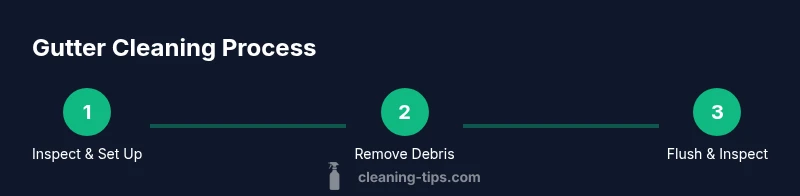
A standard gutter cleaning visit usually begins with a safety assessment and ladder setup, followed by debris removal by hand or with a small gutter scoop. Downspouts are cleared, then gutters are flushed with water to verify proper drainage. Technicians inspect for damage, corrosion, or loose brackets and note any necessary repairs. After the flush test, they confirm that water is flowing freely away from the foundation and clean up the area, leaving no debris on driveways or sidewalks. A written report or digital record may be provided, detailing findings and recommended maintenance or replacements. If gutter guards exist, service may include a guard inspection and cleaning.
How to prepare your home for a gutter cleaning appointment
Preparation reduces friction on the day of service. Move vehicles and outdoor furniture away from the area, trim low-hanging branches that overhang the gutters, and ensure access to exterior electrical outlets for any power tools. Remove valuable planters or delicate decorations near the eaves. Clear the ground below the gutters to give technicians space to work and to avoid debris landing on plants or walkways. If you have pets, arrange for them to be kept inside or supervised during the appointment. Finally, communicate any known issues (e.g., existing leaks, damaged brackets) so the team can address them in one visit.
Maintenance tips to extend gutter life between visits
Between cleanings, perform quick weekly checks after heavy rainstorms or high winds. Keep debris from building up by trimming nearby trees and considering gutter guards if your environment is particularly leaf-heavy. Ensure downspouts are clear and slope remains correct to move water away from the foundation. If you notice recurring leaks or sagging, schedule a professional assessment earlier rather than later. Regular maintenance reduces the risk of foundation damage, roof rot, and landscape erosion and can save you money over time. Remember to document any changes you notice and adjust your maintenance schedule accordingly.
Cost considerations and value: understanding pricing
Gutter cleaning pricing varies by home size, roof height, accessibility, and region. A typical service for a standard single-story home falls within a general range, with higher costs for multi-story houses or homes with complex rooflines. When evaluating quotes, focus on the scope of work: debris removal, downspout clearing, flush testing, and a written inspection. Some providers include minor repairs or preventative recommendations, while others bill separately. Compare available services, disposal policies, and promised follow-up if problems are found. While price is important, prioritize safety, thoroughness, and a clear maintenance plan. According to Cleaning Tips, the best value comes from providers who offer transparent pricing, detailed reports, and robust safety practices.
Tools & Materials
- Ladder with stabilizers(Extend tall enough to reach eaves; use stabilizers to prevent slipping)
- Work gloves(Leather or rubber-coated for grip and protection)
- Gutter scoop or small trowel(For scooping leaves from gutters)
- Trash bags or compost bin(Collect debris for disposal)
- 5-gallon bucket(Carry debris and tools; helps reduce trips)
- Garden hose with spray nozzle(Flushing gutters and downspouts; adjustable spray)
- Downspout cleaning snake/auger(Clear minor clogs in downspouts)
- Tarps or drop cloths(Protect plants and ground below)
- Safety goggles(Protect eyes from debris)
- Non-slip footwear(Stable footing while on ladders or roof edge)
Steps
Estimated time: 90-150 minutes
- 1
Set up safety gear and workspace
Begin with safety checks. Position the ladder on firm ground, stabilize, and don PPE. Clear a path and remove obstacles from the work area to prevent trips or slips during the job.
Tip: Always test ladder stability before climbing; have a helper hold the base if possible. - 2
Inspect gutters and plan debris removal
Scan the run for clogs, sagging sections, and loose brackets. Decide whether you’ll hand-remove debris or use a scoop, and plan where to dispose of it.
Tip: Note any structural damage early so you can address it in the same visit. - 3
Remove debris by hand and bag it
Carefully scoop leaves and twigs from gutters into bags or a bucket. Work from the downstream end toward the downspout to minimize falling debris.
Tip: Wear gloves to protect against sharp objects and pests. - 4
Flush gutters and downspouts with water
Use a hose with adjustable spray to rinse the gutter run and downspouts. Check for proper drainage and identify any leaks or standing water.
Tip: If water doesn’t drain, inspect for blockages or misalignment. - 5
Check for damage and leaks
Inspect brackets, seals, and seams for corrosion or loosening. Tighten or replace as needed and note repairs for follow-up.
Tip: Do not force brackets; improper tightening can pinch liners. - 6
Clean up and dispose of debris
Collect all debris, wipe down surfaces, and sweep the ground. Ensure there is no debris left on walkways or landscaping.
Tip: Reuse bags or bins for easy disposal at curbside. - 7
Document findings and maintenance plan
Provide a brief written report or digital note outlining issues found, recommended repairs, and a maintenance schedule for future visits.
Tip: Include photos if possible to help future inspections.
Questions & Answers
What is a clean gutter service?
A clean gutter service removes debris, flushes gutters and downspouts, and inspects for damage to prevent water intrusion. The service may include a written report with recommendations for repairs. It emphasizes safety and proper disposal of debris.
A gutter cleaning service removes debris, flushes the system, and checks for damage. It often includes a written report with repair recommendations.
How often should gutters be cleaned?
Most homes benefit from cleaning twice a year, aligned with spring and autumn. In areas with heavy foliage or severe weather, more frequent visits may be beneficial to prevent clogs and water damage.
Typically twice a year, with more often in leafy areas or after storms.
Is DIY gutter cleaning safe?
DIY cleaning can be safe for simple setups and calm weather, but it carries ladder and fall risks. If your roof is steep or you have limited mobility, a professional is a safer option.
DIY can be safe in simple cases, but on a steep roof or if you’re unsure, hire a pro.
What should be included in a gutter cleaning quote?
A good quote includes debris removal, downspout clearing, flushing tests, safety measures, disposal, and any recommended repairs or future maintenance. Request a written scope of work and timelines.
A solid quote lists debris removal, flushing tests, safety measures, and any repairs, in writing.
Can gutters be cleaned in winter?
Winter cleaning is sometimes possible if the weather is dry and temperatures are safe. Frozen gutters, icy ladders, or slippery surfaces increase risk, so many professionals delay until conditions improve.
Winter cleaning is possible in dry, safe conditions; otherwise, wait for better weather.
What about gutter guards after cleaning?
Gutter guards can reduce debris buildup, but they require maintenance and occasional cleaning themselves. A service visit may include guard inspection to ensure proper fit and function.
Guard systems help, but they still need occasional maintenance and checks.
Watch Video
The Essentials
- Identify and fix drainage problems early
- Prioritize safety in every step
- Ask for a written maintenance plan
- Compare quotes for transparency and scope
- Plan regular cleanings to protect your home