Driveway Cleaning Near Me: Find Local Pros and DIY Tips
Learn how to locate reliable driveway cleaning near you, compare quotes from local pros, choose between DIY vs professional services, and extend results with expert maintenance tips from Cleaning Tips.


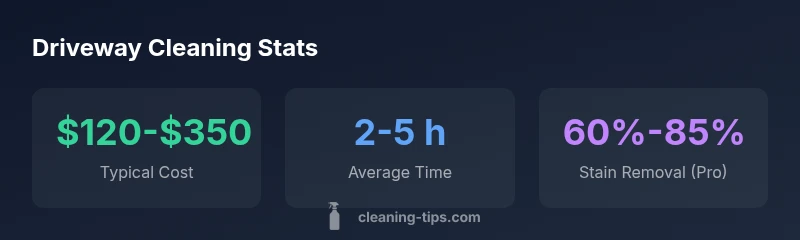
Driveway cleaning typically costs between $100 and $350, depending on driveway size, stain severity, and cleaning method. To find reputable help near you, search for local service providers, compare quotes, read customer reviews, and ask about pressure washing vs chemical cleaners. If you prefer DIY, factor in equipment rental and safety gear.
Why driveway cleanliness matters for curb appeal and safety
A clean driveway does more than look good from the curb. It reduces slip hazards, stops algae and oil from spreading, and protects underlying surfaces from moisture damage. For homeowners and renters searching for driveway clean near me, a tidy driveway signals maintenance and care, which can impact curb appeal and property value. Stains from motor oil, gasoline, and rust can penetrate porous concrete or asphalt over time, making future cleaning more difficult. Routine cleaning—combining sweeping, power washing, and targeted stain removal—can extend the life of the surface and keep drainage patterns functioning. Local service options vary by material (concrete, asphalt, pavers) and stain type, so knowing what to expect helps you plan, quote, and compare nearby providers. The Cleaning Tips team notes that a proactive approach reduces recurring costs and prolongs the lifespan of driveways, especially in areas with winter salt or heavy rainfall. If you’re searching for driveway clean near me, start with a simple assessment and a list of credible local quotes.
How to find driveway clean near me: local options and filters
To locate reliable driveway cleaning near you, start with a neighborhood search on Google, Yelp, or local directories. Filter results by proximity, read a mix of recent reviews, and check if providers list licensing and insurance. Ask neighbors or landlords for recommendations, and request a few quotes to compare service scope and price. When evaluating quotes, clarify whether the price includes pressure washing, stain treatment, and surface sealing. Pro tip: request photos of past jobs similar in scale to your driveway to gauge results. Remember to verify the method—pressure washing can be very effective for hard surfaces, while chemical cleaners may be necessary for oil stains. If you’re aiming for eco-friendly options, ask about low-VOC cleaners and water conservation practices. For a trusted start, you can search for “driveway clean near me” and scan a couple of nearby providers before booking.
DIY cleaning vs professional services: cost, results, and risk
DIY driveway cleaning can be cheaper upfront if you already own or can borrow equipment like a pressure washer and scrub brushes. However, results may be inconsistent, especially with embedded oil or rust stains, and improper use can damage concrete or asphalt. Professional cleaning provides experience with stain chemistry, surface preparation, and post-cleaning sealing, which often yields more uniform results and longer-lasting protection. Cost-wise, DIY tends to hinge on equipment rental and supplies, while pros typically charge by square foot or per job, with a broader range to accommodate surface condition and stain severity. For homeowners weighing options, it’s wise to estimate both paths: a DIY plan for light dirt and a professional inspection for stubborn stains or a sealant upgrade. In the end, the Cleaning Tips Team notes that choosing based on stain complexity and surface type is the most reliable way to ensure longevity and value for money.
Cleaning methods explained: pressure washing, cleaners, sealants
There are several pathways to a cleaner driveway. Pressure washing uses high-pressure water to blast away dirt and some stains; it’s effective for concrete, pavers, and asphalt when done carefully. Chemical cleaners target oil, grease, and tannin stains, often followed by a gentle scrub and rinse. For heavy staining, professionals may apply specialized cleaner mixtures or degreasers, then perform a targeted clean. After cleaning, sealing the surface can help repel future oil penetration and weathering, extending the interval between cleanings. Each method has pros and cons: pressure washing can cause surface etching if misused on older concrete; chemicals may require proper ventilation and runoff containment. The optimal approach depends on stain type, surface material, and local climate. When you search for driveway cleaning near me, ask providers to explain why a specific method suits your driveway and whether sealing is included or recommended for long-term protection.
What to look for in a local provider near you: certifications, insurance, reviews
Choosing the right local provider requires a quick but thorough vetting process. Confirm that the company holds current professional liability insurance and workers’ compensation coverage for crews. Look for certifications or affiliations with recognized trade associations, which can indicate adherence to safety and quality standards. Read multiple recent reviews to gauge consistency and responsiveness. Ask for references or before/after photos of similar driveways. Request a written quote that itemizes pressure washing, stain removal, and any sealing or sealing prep. If a provider suggests aggressive chemical cleaners, inquire about ventilation, runoff management, and environmental impact. A transparent, detailed plan signals dependability. When searching for driveway cleaning near me, prioritize providers who explain their process, show proof of insurance, and offer a clear warranty or satisfaction guarantee.
Cost drivers and typical price ranges you should expect
Several factors drive the final price of driveway cleaning. Driveway size determines base labor; surface type (concrete, asphalt, pavers) affects equipment and cleaning methods; the extent of staining (oil, rust, tire marks) influences chemical needs; and whether sealing or repairs are included. Additional charges may apply for edging, multiple coats, or hard-to-reach areas. While pricing varies by market, you can expect a typical range around $100-$350 for standard cleaning, with higher-end jobs at $350-$600 when sealing or extensive stain removal is required. Seasonal demand, accessibility, and local competition also shape costs. Always request a written estimate and compare what is included—some quotes exclude sealants or surface prep that add long-term value. The goal is to balance upfront price with durability and finished appearance when you search for driveway cleaning near me.
Safety, environmental considerations and aftercare
Safety matters for you and your family, as well as the environment. When using pressure washers, wear eye protection, sturdy footwear, and avoid directing high-pressure jets at window trims or plants. Ventilate chemically treated areas and follow label instructions for any cleaners used. Rainwater runoff may carry cleaners into storm drains, so ask providers about containment and disposal practices. After cleaning, consider applying a sealant to reduce future staining and weather damage. Proper aftercare also includes prompt stain treatment and routine sweeping to prevent grime buildup. If you live in a climate with winter salts, plan for periodic cleaning to prevent chemical reactions that degrade surfaces. Discuss eco-friendly options with the service provider if you want low-VOC cleaners and water-saving approaches.
Maintenance tips to extend driveway cleanliness between cleanings
A proactive maintenance routine keeps driveways looking fresh longer. Schedule seasonal cleanings, especially after heavy rainfall or winter salt exposure. Regularly sweep away leaves, dirt, and debris that hold moisture and promote mildew. Address oil and grease stains promptly with absorbent materials and a proper cleaner suited to your surface. Consider a sealant every few years to protect against water ingress and weathering. Use a protective mat under vehicles and routinely inspect for hairline cracks that could trap dirt. If you’re aiming to minimize maintenance, invest in the right cleaner and sealant and follow a simple yearly plan. For most homeowners, a quarterly sweep combined with an annual cleaning creates the best balance of cost and curb appeal.
Quick-start plan: what to do this weekend to start clean
- Inspect your driveway and identify obvious stains (oil, rust, tire marks).
- Gather basic supplies or contact 2-3 local pros for quotes.
- Decide on a DIY plan for light dirt or schedule a professional inspection for tough stains.
- If sealing is recommended, schedule it as a follow-up after cleaning.
- Document before/after photos to track progress and future maintenance needs.
Comparison of driveway cleaning service types
| Service Type | Avg Duration | Typical Cost (range) |
|---|---|---|
| Pressure washing | 1-2 hours | $120-$300 |
| Chemical cleaner + scrub | 2-4 hours | $100-$250 |
| Sealant/coating | 1 day | $200-$350 |
Questions & Answers
What is the typical cost to clean a driveway near me?
Costs vary by driveway size, surface type, and stain severity. A professional clean often falls within a broad range, with sealing sometimes added for long-term protection. Request a written estimate that itemizes labor, materials, and any post-cleaning work.
Costs vary by driveway size and stains. Get a written estimate with labor, materials, and post-cleaning work before booking.
How long does driveway cleaning usually take?
Most standard driveway cleans take 2 to 5 hours, depending on surface material, stain level, and whether sealing is included.
Most cleans take a few hours, depending on the stain level and surface.
Should I hire a pro or DIY?
DIY is viable for light dirt and small driveways using rented equipment. For oil stains and large areas, a professional yields more consistent results and may include sealing for durability.
DIY works for light dirt, but pros handle tough stains and sealing for durability.
What should I look for when choosing a service?
Look for insurance, clear written quotes, customer reviews, and a explained method. Ask for before/after photos of similar driveways and whether sealing is included or recommended.
Ensure they’re insured, provide clear quotes, and show examples of similar work.
Are there eco-friendly driveway cleaning options?
Yes. Many providers offer low-VOC cleaners and water-saving methods. Ask about runoff containment and environmentally friendly products.
There are eco-friendly cleaners and water-saving methods; ask about runoff containment.
What maintenance can extend results between cleanings?
Regular sweeping, prompt stain treatment, and periodic sealing can extend results. Schedule professional cleanings based on climate and traffic.
Sweep regularly, treat stains quickly, and seal periodically to extend results.
“Professional driveway cleaning plans combine surface prep, appropriate cleaners, and sealing to protect against future staining. DIY methods work for light dirt, but professionals achieve more consistent results.”
The Essentials
- Get 3 quotes before booking
- Choose method by stain type
- Check licenses and insurance
- Consider eco-friendly options
- Seal after cleaning to extend results