Drones to Clean Windows: A Practical Home Guide
Learn how drones can safely clean exterior windows efficiently. This practical guide covers gear, setup, safety, and maintenance for homeowners. Essential tips.


This guide shows homeowners how to safely use drones to clean exterior windows. You’ll learn what gear you need, how to set up the drone, and a step-by-step cleaning process, plus maintenance tips to keep the drone in good condition. It covers safety, legal considerations, and practical tips for different window types.
Why use drones to clean windows? Benefits and scope
Drones to clean windows offer new possibilities for exterior maintenance, especially on multi-story homes and commercial buildings. By combining precision rotors, a stabilized gimbal, and cleaning attachments, a drone can reach high, hard-to-access panes without risky manual climbs. This approach reduces the need for bulky scaffolding and can speed up repetitive tasks, freeing up your time for other chores. In practice, drone-based cleaning pairs a controlled flight path with a small, replaceable cleaning head to apply a gentle cleaning solution and wipe with a microfiber pad. For homeowners, this method can be a practical solution when you have one or two tall elevations to maintain each season. As you evaluate whether drones are right for your windows, consider building height, window type, surrounding obstacles, and local regulations. The Cleaning Tips team notes that drone-assisted cleaning is most effective on regularly spaced, outward-facing panes with minimal obstructions.
Safety and legal considerations when operating outdoors
Operating drones to clean windows entails safety risks and regulatory responsibilities. Start with a pre-flight safety checklist: inspect the drone and attachments, confirm battery level, check weather conditions (avoid high winds and precipitation), and ensure the work area is clear of bystanders. On the legal side, many regions require registration and adherence to flight rules for commercial use or higher-risk tasks. Always verify local ordinances, privacy laws, and building access rules before you fly. Use geofencing and in-app altitude limits to stay compliant, and maintain line of sight during operation. Insurance coverage and a defined safety plan are strongly recommended when performing exterior cleaning on homes or offices. Cleaning Tips analysis indicates that proactive risk management reduces incidents and supports long-term adoption of drone-assisted cleaning.
Hardware you need: drones, attachments, and cleaners
Your kit should include a drone capable of outdoor use, a dependable cleaning head, microfiber pads, and a small reservoir for cleaning solution. Attachments should be compatible with your drone model and balanced to prevent vibration that could blur the cleaning surface. A mild, diluted cleaning solution is typically used—avoid harsh chemicals that could damage seals or the glass. Keep spare pads and a simple carrying case for your tools. You’ll also want a control device (phone or tablet with the drone app), extra batteries, and chargers to extend flight time between sessions. Remember to review manufacturer guidelines for payload limits to avoid stressing the airframe during cleaning.
Setup and calibration basics
Before your first cleaning pass, perform a thorough pre-flight check: verify propellers are intact, ensure attachments are secure, and calibrate sensors according to the manufacturer’s instructions. Check wind conditions and plan a conservative flight path that minimizes proximity to glass edges or frames. Confirm GPS lock and set a clear altitude ceiling to prevent unexpected climbs. Run a short hover test in a safe space to verify stability, camera angle, and spray/wipe alignment. These steps help you prevent accidental contact with windows or surrounding structures.
Cleaning technique overview: top-down passes and controlled motions
A clean pass begins at the top edge of the pane and proceeds downward in even sweeps. Use light, consistent pressure to apply the cleaning solution and maintain contact with the pad as you move. If the water reservoir is used, avoid over-saturation that could run indoors or onto hardware. Pause between panes to inspect for streaks and adjust pad pressure or spray amount as needed. Keep flights slow and deliberate, especially near corners and mullions where streaks tend to form. Consistency is the key to a streak-free finish across multiple panes.
Maintenance and care for your drone after use
Post-cleaning, wipe down external surfaces to remove cleaning residues and dry the pads before storage. Inspect the cleaning attachment for wear and replace pads regularly to preserve effectiveness. Charge batteries according to guidelines and store tools in a cool, dry place. Keep spare parts organized to minimize downtime between sessions. Regular maintenance not only extends the life of the drone but also helps safeguard performance during future exterior cleaning jobs.
Environmental impact and privacy considerations
Exterior window cleaning with drones offers a lower footprint than scaffolding or lifts for certain jobs, but it does rely on electricity and battery production. Use energy-efficient flight plans to minimize battery cycles and consider end-of-life disposal for pads and attachments. Privacy concerns are real when operating near neighbors; notify nearby residents, avoid filming private spaces, and comply with local privacy laws. Planning ahead reduces friction with communities and supports safer, more respectful drone use.
Authoritative sources and further reading
For safety, regulatory, and best-practice guidance, consult FAA UAS rules at https://www.faa.gov/uas/, OSHA safety guidelines at https://www.osha.gov, and EPA or related safety resources at https://www.epa.gov. These sources provide context for responsible drone operation and chemical handling when cleaning exterior surfaces.
Tools & Materials
- Drone capable of outdoor use with stabilizing gimbal(Must handle payload and maintain stable flight during cleaning passes)
- Cleaning module attachment compatible with drone(Clean water reservoir + microfiber pad interface)
- Microfiber cleaning pads(Replaceable, compatible with attachment head)
- Mild cleaning solution (diluted vinegar-baking-soda or gentle soap)(Use sparingly; avoid harsh chemicals that can damage glass or seals)
- Smartphone or tablet with drone control app(For live control and preset paths)
- Extra batteries and charger(Extend flight time between charges)
- Safety tether or harness (optional)(Added safety for elevated operations)
- Personal protective gear (gloves, eye protection)(Use when handling cleaning solutions and equipment)
Steps
Estimated time: 90-120 minutes
- 1
Inspect drone and attachments
Check the drone frame, propellers, and cleaning head for wear or damage. Verify that the cleaning pad is clean and securely attached. Confirm visibility of the flight controllers and ensure firmware is up to date.
Tip: Replace any damaged parts before flight to prevent mid-clean failures. - 2
Plan flight path and site readiness
Map a conservative route that starts at a reachable corner and moves smoothly along each pane. Clear the area of people, pets, and obstacles. Note wind conditions and sunset or glare that might affect visibility.
Tip: Set an altitude ceiling and abort criteria to stop if conditions deteriorate. - 3
Calibrate sensors and test hover
Run the calibration sequence for compass and IMU as guided by the manufacturer. Conduct a short hover test to confirm stable positioning and camera alignment.
Tip: Ensure GPS lock is solid before proceeding to cleaning passes. - 4
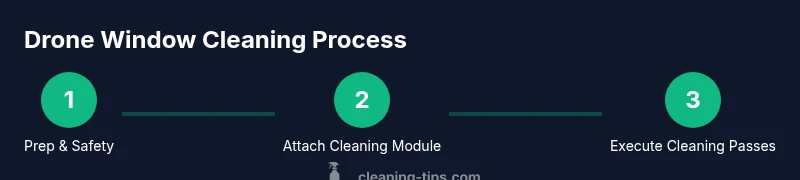
Attach cleaning module and fill reservoir
Secure the cleaning head to the drone and verify seals around the reservoir. Fill with the prepared cleaning solution if using a spray system; otherwise ensure pads are dampened evenly.
Tip: Avoid overfilling; excess liquid can damage electronics. - 5
Position at starting edge and test control
Place the drone at the uppermost pane edge and confirm it can hold steady in hover. Test basic movements to verify that the pad contact aligns with the window surface.
Tip: Keep hands ready to take manual control if drift occurs. - 6
Execute top-down cleaning passes
Begin with slow, vertical sweeps from top to bottom, maintaining constant distance from the glass. Pause at frames and mullions to clean stubborn spots.
Tip: Use light, even pressure and avoid scrubbing too aggressively. - 7
Inspect and adjust as needed
After a pass, inspect for streaks or missed areas. Revisit problem spots with a second pass if needed, adjusting pad angle or spray amount.
Tip: Do not over-wipe—allow droplets to settle before final wipe. - 8
Post-flight care and storage
Power down safely, clean exterior surfaces, and remove used pads. Store batteries and attachments in a cool, dry place and log any maintenance actions.
Tip: Document wear and part replacements for future trips.
Questions & Answers
Are drones effective for cleaning windows on tall buildings?
Drones can be effective for exterior cleaning on tall buildings when the right attachments are used and safety protocols are followed. They work best on regularly spaced panes with clear lines of sight and minimal obstruction.
Drones can help clean tall buildings when you follow the right setup and safety steps, especially on regularly spaced windows.
What safety gear is required when using drones to clean windows?
Wear protective gloves and eye protection when handling cleaning solutions, and maintain proper body positioning and distance from the drone during operation. A safety observer and clear escape routes improve overall safety.
Wear gloves and eye protection, keep a safe distance, and have someone observe the flight for safety.
Do I need special permits to fly a drone for window cleaning?
Permit requirements vary by region and whether the activity is commercial. Check local aviation and property regulations and obtain any necessary permissions before starting.
Regulations vary by place—check local laws and get permission if you’re doing it for work.
What cleaning solutions are safe to use on exterior windows with a drone?
Use mild, non-abrasive cleaners in dilute form. Avoid corrosive or ammonia-based products that could damage seals or irritate users.
Stick to mild cleaners in small amounts and avoid harsh chemicals near electronics.
How do I choose attachments for a cleaning drone?
Select attachments designed for your drone model, ensuring proper balance and weight. Look for pads that are replaceable and compatible with your chosen cleaning solution.
Choose model-specific cleaning heads with replaceable pads for easy maintenance.
Can I use drones indoors for window cleaning?
Indoor use is possible with careful space planning and obstacle avoidance, but most drones are designed for outdoor use. Ensure adequate ventilation and protect bystanders from spray.
It’s possible indoors with caution, but outdoor use is more common for exterior windows.
Watch Video
The Essentials
- Plan your clean with height and pane layout in mind
- Use steady, top-down passes for best results
- Check safety gear and weather before every flight
- Maintain your drone and attachments to extend lifespan
- Respect privacy and local regulations when operating outdoors