How to Clean Scratches on a Car: A Practical DIY Guide
Learn practical, step-by-step methods to fix or minimize car scratches at home. This Cleaning Tips guide covers assessment, polishing, touch-up paint, and protective finishing to restore your car's finish.


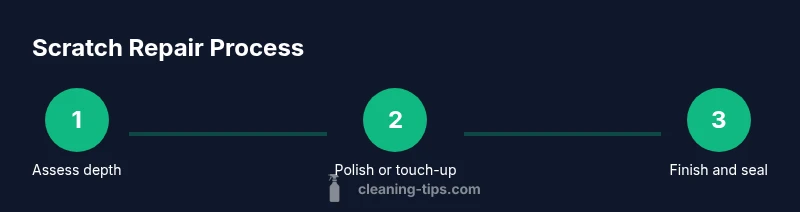
You can fix light car scratches at home by a simple, stepwise approach: assess depth, clean the area, and apply appropriate remedies—polishing for shallow marks or color-matched touch-up paint for deeper ones—then seal with wax. The method reduces visible scratches, preserves clear coat, and costs far less than professional repair. Follow the steps below for best results.
Understanding Scratch Types and Assessment
To learn how to clean scratch on car, start by understanding what caused the mark. Scratches can affect only the clear coat or reach the base coat. The fingernail test helps judge depth: if your nail catches, the scratch is deeper and may require color-matching repair. According to Cleaning Tips, begin with a thorough wash to remove grime that can masquerade as scratches. Under bright light, inspect the edge and surface to decide if polishing or touching up is appropriate. If rust, peeling clear coat, or primer show through, plan to involve professional services. This upfront assessment saves time and prevents over-application of repair products on areas that don’t need it.
Preparing Your Car Surface for Scratch Repair
Before any repair, a clean, decontaminated surface is essential. How to clean scratch on car starts with washing with gentle car soap and drying with a clean microfiber towel. Remove bonded contaminants with a clay bar to prevent grinding grit into the paint during polishing. Ensure the area is shaded and not in direct sun during work. Cleaning Tips analysis shows surface prep is the biggest predictor of successful scratch removal; contaminants can masquerade as new scratches and cause micro-abrasions if not removed. After prepping, re-inspect under bright light and set up masking tape to protect nearby panels.
Light Scratches: Polishing and Minor Repair
Light scratches that only skim the clear coat respond well to polishing. Start with a small amount of mild polishing compound on a soft microfiber applicator, then buff in gentle circular motions until the mark fades. Wipe away residue with a clean microfiber, recheck in good lighting, and repeat once if needed. For best results, avoid circular motions that skate over edges—concentrate on the area around the scratch to blend it into the surrounding paint. Cleaning Tips guidance emphasizes patience: multiple light passes beat a single heavy pass that could melt into the finish.
Deep Scratches: Paint Matching and Touch-Up Options
If the scratch breaches the clear coat and shows base coat or primer, polishing alone won’t fully fix it. Use a color-matched touch-up paint with a fine brush or applicator to fill the scratch in ultra-thin layers, letting each layer dry before applying the next. Carefully build up to the surface level; avoid overfilling, which can create a mound that later sands unevenly. For metallic or pearlescent finishes, ensure you have the correct color code and pigment mix, then seal with a compatible clear coat. In some cases, a small repair may require professional attention to guarantee color match and uniform gloss.
Finishing, Sealing, and Protecting the Surface
Once the repair is dry and level, apply a layer of clear coat or sealant to protect the repaired area and restore gloss. A final polish with a soft microfiber can blend the repair with the surrounding paint, while a wax or ceramic coating adds lasting protection against UV rays and environmental contaminants. Schedule periodic checks and reapply wax every 3–4 months, or as recommended by your product manufacturer. Regular cleaning and gentle polishing will extend the life of your repair and help maintain a showroom shine.
Common Mistakes and Safety Tips
Common mistakes include using harsh abrasives on fresh repairs, rushing paint cures, and failing to protect surrounding areas with masking tape. Always work in a shaded area, wear gloves if handling solvents, and test products on an inconspicuous spot first. Never rub aggressively or use old, dirty towels that can embed grit into the paint. If you’re unsure about color matching or the depth of the scratch, consult a professional to avoid creating an uneven finish or rust.
Final Thoughts: When DIY Is Enough and When to Seek Help
Most light cosmetic scratches can be improved with DIY techniques described above, especially those confined to the clear coat. Deep or complex finishes (metallic/pearl, multiple layers, or curved panels) may require professional color matching and refinishing. The goal is to achieve a uniform gloss and avoid further damage. The Cleaning Tips team emphasizes using proper products, following manufacturer instructions, and knowing when to escalate to a pro for best long-term results.
Tools & Materials
- Two clean microfiber towels(One for application, one for buffing)
- Soft foam applicator(For paint touch-up and polishing)
- Mild abrasive polishing compound(Use a small amount on a microfiber pad)
- Scratch repair kit or color-matched touch-up paint(Match factory color code and finish)
- Clear coat or sealant(Protects repair and adds gloss)
- Masking tape or painter's tape(Protect adjacent panels and edges)
- Rubbing alcohol or isopropyl wipe(Prep surface if needed)
- Fine-grit sandpaper (2000-3000 grit)(Only for severe depth where needed)
Steps
Estimated time: 60-120 minutes
- 1
Clean and prep area
Wash the area with car soap and dry with a clean microfiber. Remove any grime that could abrade the paint during polishing. This creates a true test surface so you can judge scratch depth accurately.
Tip: Use two towels—one damp for wiping, one dry for buffing. - 2
Test scratch depth
Gently drag a fingernail over the scratch to gauge depth. If it catches, the damage may involve base coat or primer and require color-matched repair. If it doesn’t catch, proceed with polishing for best results.
Tip: Never rub aggressively—you can worsen the mark. - 3
Polish light scratches
Apply a small amount of polishing compound to a clean pad and buff the area in small, circular motions. Check frequently under good lighting and wipe away residue before re-testing.
Tip: Work in 2-3 small passes rather than one long pass. - 4
Address deeper scratches with touch-up paint
Using a fine brush, apply thin layers of color-matched paint into the scratch. Allow each layer to dry fully before applying the next. Finish with a light clear coat coat over the repaired area to protect.
Tip: Mask surrounding edges to prevent color bleed. - 5
Apply clear coat and cure
After color is dry, apply a clear coat in thin layers. Let each coat dry for the manufacturer-recommended time (usually 10-15 minutes) before applying the next. This builds gloss and seals the color.
Tip: Avoid humidity and heat to prevent runs. - 6
Finish with wax and protection
Buff the area with a clean microfiber, apply car wax, and buff to a high gloss. Waxing protects the finish from UV damage and helps blend the repaired zone with the rest of the panel.
Tip: Reassess after curing; apply a second wax layer if necessary.
Questions & Answers
Can deep scratches be completely removed from car paint?
Deep scratches may not be completely removable, but their appearance can be significantly improved with color-matched touch-up paint and proper sealing. In some cases, professional refinishing is required for a flawless result.
Deep scratches can often be improved, but full removal isn’t always possible; color matching and proper sealing help a lot.
Will DIY scratch kits work on all car finishes?
DIY kits work best on clear coats and light scratches. They may not match metallic or pearlescent finishes, and results vary by color and finish type.
DIY kits work best on simple finishes; metals and pearls may need professional help.
How long do scratch repairs typically last?
Durability depends on prep, product quality, and protective sealing. When done correctly, results can last for months, with periodic waxing or coating extending protection.
With proper prep and sealing, repairs can last several months to a year, depending on use.
Is it safe to use household products for scratch repair?
Most household products are not recommended for scratch repair. Use purpose-made polishes and color-matched paints; avoid abrasive cleaners that can worsen damage.
Usually not safe to use household cleaners; use proper products designed for scratches.
When should I seek professional help?
If you see base coat, primer, or metallic/pearl finishes exposed, or if color matching is uncertain, consult a professional to ensure color accuracy and durability.
If you’re unsure about color or depth, a pro can ensure a color match and durable finish.
Watch Video
The Essentials
- Assess scratch depth before repair.
- Prep the surface thoroughly for accurate results.
- Polish for light scratches and touch-up paint for deeper ones.
- Protect the finish with clear coat and wax after repairs.