How to Clean with ADHD: Practical, ADHD-Friendly Tips
Learn an ADHD-friendly approach to cleaning with a visual, timer-based system, micro-tasks, and simple routines that reduce overwhelm and boost consistency. Practical steps, checklists, and room-ready templates to help you clean smarter, not harder.


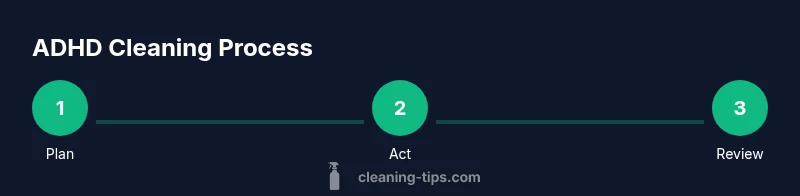
With ADHD, effective cleaning comes from a lightweight visual system, timer-based sessions, and micro-tasks. Break chores into short, highly specific steps, rely on checklists and prompts, and celebrate small wins to sustain momentum. This guide walks you through an actionable, ADHD-friendly approach to cleaning any room.
Understanding how ADHD affects cleaning
For many people with ADHD, cleaning feels like a moving target. Tasks that seem simple can suddenly feel overwhelming, while routine chores drift out of sight. ADHD affects working memory, attention regulation, and processing speed, which can complicate planning and executing cleaning tasks. If you’re asking how to clean with ADHD, the answer lies in reducing cognitive load, using visual cues, and chunking work into tiny, highly specific steps. In this guide, Cleaning Tips team shares evidence-based, ADHD-friendly strategies you can apply to any room.
The goal isn’t perfection; it’s steady progress with less friction. Focus on reducing decision points, creating clear prompts, and rewarding small wins. Cleaning Tips Analysis, 2026, suggests that structure and simplicity improve consistency for neurodivergent cleaners. By treating cleaning as a series of micro-tasks, you minimize distraction and burnout while building confidence over time.
Build a visual, minimal cleaning system
A visual system reduces confusion and helps you start quickly. Use a single visual board (physical or digital) that lists only 3–5 high-impact tasks per room. Color-code by task type (dusting, surfaces, floors) and keep supplies in clearly labeled bins within arm’s reach. The simpler the board, the less you have to recall under pressure. When you see a completed task, you gain a tactile sense of progress, which reinforces motivation.
In practice, you might track “Kitchens: wipe counters, load dishwasher, sweep floor” on a single sheet or a small whiteboard. Limiting options means fewer decisions during a session, a key benefit for ADHD-focused cleaning. This approach aligns with Cleaning Tips Research, which shows visuals and minimal choices improve adherence to routines.
The ADHD-friendly task queue: micro-tasks
Split larger chores into micro-tasks that take 1–5 minutes to finish. The objective is momentum, not perfection. Replace vague goals like “clean the kitchen” with concrete items: “wipe 3 counter spots,” “clear two items from the sink,” or “bundle recyclable paper.” Micro-tasks are easier to initiate, easier to remember, and less intimidating for ADHD brains. Maintain a running list and tick off tasks as you go to see tangible progress.
Using a consistent micro-task framework helps with planning and reduces cognitive load. Cleaning Tips Analysis, 2026, notes that micro-tasking leads to higher completion rates among ADHD cleaners. If a task feels too big, split it again until it fits within a single session.
Timers and triggers: time-boxed cleaning sessions
Time-boxed sessions create a predictable rhythm that matches ADHD attention patterns. Set a timer for 10–15 minutes and commit to finishing a small set of micro-tasks before pausing. Short sessions reduce resistance to start, and the timer provides a concrete trigger to begin and stop. Keep sessions brief to prevent burnout, then celebrate small wins and plan the next burst.
To optimize focus, pair timers with visual cues—alarm sounds, a blinking light, or a color-change on your checklist. The key is consistency: regular, short bursts outperform sporadic, longer efforts for ADHD-cleaning routines.Cleaning Tips emphasizes that predictable structure helps neurodivergent cleaners sustain momentum.
Tools, layouts, and workspaces that help focus
Arrange a workspace that minimizes friction. Keep cleaning supplies in a single, labeled caddy with color-coded sections for each task type. A clutter-free, clearly organized space reduces the cognitive load of looking for items during a session. Consider a clean, distraction-free area for quick bursts, plus a dedicated “cleanup corner” with a small trash can, a timer, and a whiteboard.
The goal is to make the right tool obvious and accessible. Use microfiber cloths, a compact vacuum, and fast-drying wipes so you can complete tasks quickly. By keeping your tools in one place, you remove decision fatigue and save seconds that add up over a week. This setup supports consistent cleaning by ADHD brains, as highlighted in Cleaning Tips’ practical guidance.
Remember: the environment should invite action, not invite excuses.
Room-by-room templates and checklists
Templates give you a clear, room-specific plan without needing to decide anew each day. Create a simple checklist for each room with items like “clear counter clutter,” “wipe high-traffic surfaces,” and “touch up floor in high-use areas.” Keep the checklists visible and easy to update. Room templates reduce memory demands and help you stay on track.
A sample kitchen template could include tiny tasks that take 2–5 minutes each, such as wiping one section of the counter, loading the dishwasher, and sweeping a small area. Reuse templates weekly, adjusting only items that are truly needed. Collaboration-friendly templates can also help if a roommate or family member shares responsibilities.
Stamina, motivation, and habit formation
Progress with ADHD often requires a steady cadence. Build routines that align with your energy patterns: plan high-clarity tasks for peak focus times and reserve simpler tasks for fatigue moments. Habit formation thrives on consistent repetition and visible progress.
Track your streaks on a simple chart or checklist. Reward yourself after completing a series of sessions—this positive reinforcement strengthens long-term motivation. Remember, consistency beats intensity; even small, regular efforts yield meaningful improvements over time. Cleaning Tips’ evidence-based principles support this approach, helping you turn cleaning into a sustainable habit.
Safety, routines, and wellness considerations
ADHD-friendly cleaning should stay safe and manageable. Avoid mixing cleaning agents that could cause fumes; read labels, ventilate the area, and wear gloves as needed. If fatigue or overwhelm hits, shorten sessions further and prioritize safety over speed. Hydration and brief breaks help maintain energy and concentration.
Incorporate wellness into routines by scheduling breaks, stretching, and self-care moments. A healthy rhythm reduces stress and improves focus during cleaning tasks. If you notice persistent fatigue or anxiety tied to cleaning, consider adjusting routines or seeking guidance from a professional or support group. Cleaning Tips emphasizes safety-first habits as part of a sustainable cleaning strategy.
Tools & Materials
- Timer (digital, e.g., 25-minute increments)(A simple timer or smartphone timer works best for time-boxed sessions.)
- Color-coded checklists(Printed or digital, one per room, with 3–5 micro-tasks.)
- Labeled cleaning caddy(Contain basic supplies by room (spray, cloths, trash bags).)
- Microfiber cloths(Reusable and quick-drying for fast surfaces.)
- Storage bins or baskets(Keep clutter organized by category (papers, trinkets, toiletries).)
- Sticky notes or dry-erase markers(Optional prompts and quick updates on templates.)
Steps
Estimated time: 60-90 minutes
- 1
Choose your first target room
Select a room you use frequently and where small wins are visible. Define one micro-task to start, such as clearing the sink or wiping a single surface. This keeps the initial step concrete and achievable, reducing the urge to delay. Why: ADHD brains respond well to initial momentum and immediate feedback.
Tip: Start with a tiny, obvious task you can finish in under 5 minutes. - 2
Set a timer and pick micro-tasks
Set a 10–15 minute timer and choose 2–3 micro-tasks from your room checklist. The timer creates a clear boundary and helps you avoid overcommitting. After the timer ends, pause or stop, regardless of progress. Why: Time-boxing leverages short attention spans and reduces overwhelm.
Tip: If you finish early, reward yourself with a small treat or quick stretch. - 3
Execute the most-visible surface first
Begin with the surface or area you notice first, such as a countertop or coffee table. Completing a high-visibility task gives you an immediate sense of achievement, fueling momentum for the next micro-tasks. Why: Quick wins reinforce continued effort and build confidence.
Tip: Use a visual cue to confirm completion, like a checkmark on the board. - 4
Check off and review progress
Mark completed items on your checklist. Review what you accomplished and adjust the remaining micro-tasks if needed. Keep the process lightweight and avoid overthinking. Why: Visual progress supports motivation and memory.
Tip: If you’re stuck, drop 1 item and move on to another micro-task. - 5
Take a short break and reset
Pause for a brief 3–5 minute break, stretch, hydrate, or step outside. A reset helps prevent fatigue from carrying tasks into fatigue zones and keeps you ready for the next session. Why: Breaks renew focus and reduce cognitive load.
Tip: Use a consistent break routine to avoid creeping fatigue. - 6
Wrap up and plan the next session
Consolidate what you’ve done and plan the next micro-task set. Scheduling the next session in advance creates anticipation and reduces avoidance. Why: Predictable planning increases adherence over time.
Tip: Set the next session’s start time before you finish. - 7
Create a weekly cadence
Block a recurring 2–3 cleaning bursts per week. A regular cadence is more sustainable than occasional marathon sessions and helps maintain progress. Why: Consistency beats intensity for ADHD-friendly cleaning.
Tip: Treat weekly sessions as essential appointments. - 8
Adjust for fatigue or motivation dips
If motivation flags, switch to a simpler routine or a different room. A flexible plan reduces resistance while preserving long-term progress. Why: Adaptability prevents burnout and keeps momentum alive.
Tip: Keep a ‘low-energy’ fallback task list ready.
Questions & Answers
What makes cleaning challenging for ADHD brains?
ADHD affects executive function, working memory, and sustained attention, making planning and sequencing cleaning tasks harder. Using micro-tasks, visuals, and time-boxed sessions helps reduce these challenges.
ADHD can make planning cleaning harder, but micro-tasks and timers make it manageable.
How can I start cleaning when motivation is low?
Begin with a tiny task that takes just a few minutes. Use a timer to create a concrete boundary, then reward yourself after finishing. Building momentum early is crucial.
Start with a small task, set a timer, and reward yourself afterward.
Are there specific tools that help ADHD cleaning?
A single, portable cleaning caddy, color-coded checklists, and a timer help keep supplies accessible and actions clear, reducing the cognitive load of switching tasks.
A portable caddy, simple checklists, and a timer make cleaning easier for ADHD brains.
How do I maintain motivation long-term?
Create a consistent weekly cadence with short sessions and visible progress. Pair tasks with small rewards and periodically refresh templates to keep them engaging.
Keep a regular schedule and celebrate small wins to stay motivated.
Should I seek professional help if cleaning becomes overwhelming?
If cleaning anxiety, burnout, or impairment persist, consult a mental health or ADHD coaching professional. They can tailor strategies to your needs and provide accountability.
If cleaning feels overwhelming consistently, consider getting professional guidance.
Is it okay to adjust routines for different rooms?
Yes. Customize templates per room based on use patterns and challenges. What works in one room may need tweaks in another to reduce friction.
Absolutely—tweak templates to fit each room’s unique needs.
Watch Video
The Essentials
- Break tasks into micro-steps you can finish quickly
- Use timers to create predictable cleaning sessions
- Rely on visuals to reduce decision fatigue
- Celebrate small wins to build momentum
- Tailor routines to your energy patterns for consistency