Is MR. CLEAN Bad for Cats? A Practical Cleaning Guide
Explore whether MR. CLEAN products are safe for cats, understand common ingredient risks, and learn practical, cat-friendly cleaning strategies to protect your feline at home.


Is MR. CLEAN Safe for Cats? Understanding the Risk
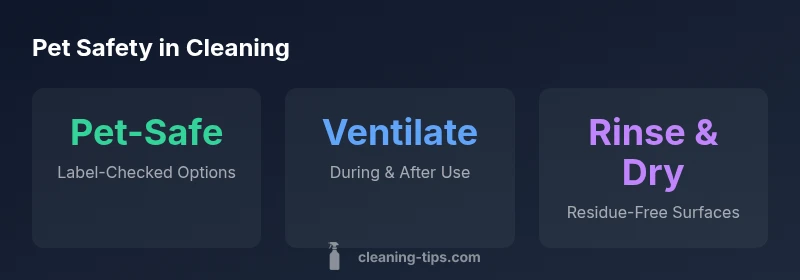
is mr clean bad for cats? The question hinges on the specific product and how it is used. In homes with curious feline companions, any cleaner that is ingested, inhaled, or left on surfaces that pets can lick presents a potential hazard. Cats have heightened sensitivity to many common cleaners because their sense of smell is acute and their bodies react to newer chemicals more strongly than humans. The Cleaning Tips team emphasizes that even familiar, widely used products should be treated with caution. Always keep cleaners out of reach, ventilate well during and after use, and allow surfaces to dry completely before allowing a cat back into the area. While not every MR. CLEAN product will cause harm, the risk increases with concentrated formulations, spray methods that disperse aerosols, or residues left on frequent contact surfaces. A cautious approach benefits both cats and humans who may be sensitive to fumes or skin contact.
Common Ingredients and Why They Matter
Many household cleaners contain ingredients that can irritate a cat’s skin, eyes, and respiratory tract or cause gastrointestinal upset if ingested. Common categories to be aware of include bleach and chlorine-based agents, ammonia, quaternary ammonium compounds (quats), and certain solvents or fragrance additives. Even cleaners marketed as “multi-surface” or “antibacterial” may carry elements that pose a risk to cats, particularly if used heavily or without adequate ventilation. Reading the ingredient list and warning labels is essential. The Cleaning Tips team notes that pet-safe alternatives exist, but a product labeled for general household use does not guarantee feline safety in every situation. Use unscented, low-toxicity options when possible, and never mix cleaners, which can create unpredictable chemical reactions and fumes that are harmful to cats.
How to Clean Safely Around Cats: Step-By-Step
Safe cleaning around cats begins with planning. Remove the cat from the area when applying any cleaner, and ensure the room is well-ventilated. If you must spray, use a quick, targeted application and avoid spraying toward open spaces where fumes can drift toward the cat. After cleaning, wipe surfaces with a clean, damp cloth to remove residue and allow ample drying time before the cat returns. Store all products in original containers with lids securely closed and out of reach, ideally in a locked cabinet. When cleaning, prioritize products with clear pet-safety labels and minimal fragrance. Finally, consider doing a quick rinse or water wipe of high-contact areas after using cleaners to minimize residue.
Safer Alternatives and Pet-Friendly Products
Choosing pet-friendly products is a practical first line of defense. Look for cleaners labeled pet-safe or suitable for homes with animals, and favor unscented formulas to reduce fragrance exposure. Simple options like mild dish soap in small quantities, diluted hydrogen peroxide (for certain stain removal tasks) when used correctly, and baking soda paste for scrubbing can be effective with far less risk than high-odor cleaners. Always test a small area first and ventilate the space. If you have a sensitive cat or a history of respiratory issues, consult with a vet before introducing any new cleaner into your routine. The goal is to reduce chemical load while maintaining cleanliness.
Room-by-Room Cleaning Strategy When Cats Are Nearby
Develop a room-by-room plan to minimize exposure. Before cleaning, relocate the cat to another area and close off the door if possible. Use microfiber cloths to trap dust instead of sprays, and opt for rinse-and-dry strategies over leaving residues behind. Keep cleaners on a high shelf or locked cabinet and label any used materials clearly. For high-traffic rooms like kitchens and bathrooms, consider scheduling cleaning when the cat is out for a walk or in a different part of the home. Finally, maintain a simple log of products used, their ingredients, and any notes about pet reactions to help inform future routines.
Exposure Scenarios and What to Do
If a cat is exposed to a cleaner, observe for signs such as drooling, coughing, vomiting, facial swelling, or difficulty breathing, and seek veterinary care immediately if these occur. Do not induce vomiting unless directed by a veterinarian. For ingestion of a large amount, contact poison control or your vet. If exposure is suspected through inhalation, move the cat to fresh air and contact a vet for guidance. Having the product label handy, noting the active ingredients, and knowing the volume involved can help veterinarians tailor treatment quickly.
Long-Term Cat-Friendly Cleaning Habits
In the long term, build a cleaning routine that minimizes chemical exposure. Use storage solutions that prevent access by pets, keep a short list of pet-safe cleaners, and never swap in a stronger product without testing compatibility with your home environment. Train household members to follow the same safety practices, such as never spraying cleaners into the air around a pet and always ensuring surfaces are thoroughly dried. Regularly reassess cleaning products for pet safety and consider switching to more sustainable, gentler options that still meet your cleanliness needs. These habits support a safer home for both cats and humans.