How to Clean Zinc: A Practical How-To Guide
Master safe, effective zinc cleaning with gentle soaps, baking soda pastes, and proper drying. This guide covers finishes, safety tips, and upkeep to keep zinc bright and protected.


Learn how to clean zinc safely and effectively, whether you’re tackling decorative zinc hardware, galvanized panels, or zinc countertops. This guide provides gentle cleaning methods, safe cleaners, and step-by-step actions to avoid scratching or tarnish. You’ll find practical tips for different zinc finishes, plus common mistakes to avoid. By following these steps, you’ll restore shine without compromising the metal’s protective coating.
Why zinc care matters
Zinc surfaces can tarnish, dull, or corrode if exposed to moisture, fingerprints, or aggressive cleaners. According to Cleaning Tips, regular, gentle cleaning helps preserve zinc’s protective coatings and prolongs the life of decorative zinc pieces, galvanized hardware, and zinc counters. Understanding how zinc interacts with cleaners—especially in different finishes—helps you choose methods that maintain shine while avoiding etching or dull spots. Early signs to watch for include discoloration, white residue, or streaking after cleaning. With proper care, zinc surfaces stay bright and resistant to future tarnish.
Safety and prep
Before you clean, protect yourself and the surface. Wear gloves to minimize skin contact with cleaners, work in a well-ventilated area, and test any cleaner on a small, inconspicuous spot. Keep cleaners away from aluminum-based products and avoid mixing cleaners that could release fumes. Prepare a clean workspace with towels to catch drips and a dry area for finishing. A little planning now prevents scratches and uneven results later.
Basic cleaning method: soap and water
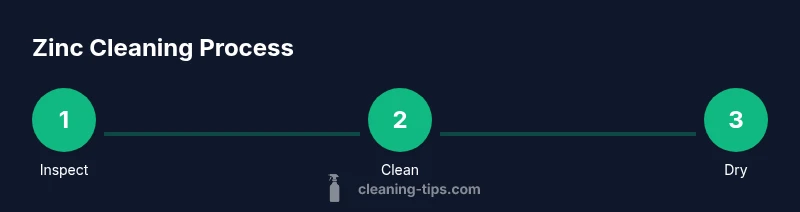
Start with a mild soap solution and a soft cloth. Dampen the cloth with warm water, add a small amount of mild dish soap, and wipe the zinc surface in gentle, circular motions. Rinse with clean water and dry thoroughly. For textured or embossed surfaces, use a soft brush to lift dirt from crevices, then wipe away residue. This routine preserves the natural patina while removing fingerprints, oils, and dirt.
Dealing with tarnish and oxidation
If zinc shows light tarnish or oxidation, create a gentle paste from baking soda and water. Apply the paste with a soft cloth, rubbing in a circular motion for a minute or two, then rinse completely and dry. For stubborn spots, repeat sparingly. Avoid abrasive pads that could scratch the finish. If the tarnish persists, limit cleaner exposure and consider a specialty zinc-safe product designed for patinated finishes.
Gentle cleaners for different zinc finishes
Not all zinc finishes are the same. Bare zinc responds best to soap and water or baking soda paste. Painted or coated zinc requires milder cleaners and may benefit from a test in a hidden area to ensure the finish isn’t damaged. For galvanized zinc, avoid acidic cleaners that could weaken the zinc layer; opt for pH-balanced soaps and plain water. Always read manufacturer notes when possible and perform a patch test first.
When to use specialized cleaners
For heavy tarnish, corrosion, or etched areas, you can use a commercial metal cleaner labeled safe for zinc. Choose a product specifically formulated for zinc or non-ferrous metals, and follow the label exactly. Apply with a soft cloth, work in small sections, and never spray liquids directly onto joints or seams to prevent seepage that could corrode fasteners. Always finish with a thorough rinse and dry.
Drying, sealing, and maintenance
Dry zinc surfaces completely to prevent water spots and future oxidation. You can finish with a light coating of mineral oil or a metal-safe conditioner on bare zinc surfaces, but skip coatings if the surface is intended to maintain a natural finish. Reassess periodically—regular light cleaning is easier than deep restoration. Store zinc items out of damp areas to reduce tarnish risk and keep a soft cloth handy for quick touch-ups.
Cleaning zinc in tricky spots
Corners, crevices, and embossed patterns trap grime. Use a soft-bristled brush or a microfiber applicator to lift debris before wiping with a damp cloth. For etched or delicate finishes, avoid aggressive rubbing and test any new cleaner in a small area first. Finish with a gentle rinse and thorough drying to prevent ring marks or corrosion. Regular maintenance makes future cleanings easier.
toolsMaterialsNoteTypeExtraListOrSection":null}
toolsMaterials
Tools & Materials
- Mild dish soap(Use a gentle, pH-balanced formula to minimize residue on zinc surfaces.)
- Soft microfiber cloth(For wiping and drying without scratching.)
- Soft-bristle brush or non-abrasive sponge(Ergonomic and gentle on embossed textures.)
- Baking soda(Mix with water to form a mild paste for tarnish removal.)
- White vinegar (optional)(Only if tested first on a hidden area; can be too harsh for some zinc finishes.)
- Distilled water(Rinses reduce mineral residue and spotting.)
- Towel or microfiber drying cloth(Thorough drying prevents water spots and corrosion.)
- Mineral oil or light metal-safe protector (optional)(Use on bare zinc finishes as a light protection after cleaning.)
Steps
Estimated time: 25-40 minutes
- 1
Inspect surface and prep area
Survey the zinc surface for tarnish, fingerprints, or corrosion. Move any nearby items and lay down towels to catch drips. Put on gloves and ensure you have good ventilation before you begin.
Tip: Clear the area and test a hidden spot first to avoid surprises. - 2
Test cleaner on a hidden spot
Dip a corner of your cloth in soapy water and apply to a small area. Wait 1–2 minutes, then wipe clean and assess for any change in color or texture. If there’s no adverse reaction, you can proceed with the full cleaning.
Tip: If the finish changes, stop and switch to a milder method. - 3
Prepare a mild cleaning solution
Mix a drop of mild soap in warm water in a small bowl. Dampen your cloth with the solution and wring out excess moisture to avoid oversaturation on joints or seams.
Tip: Too much moisture can seep into seams and cause corrosion over time. - 4
Clean with a soft cloth
Gently wipe the zinc surface in circular motions, covering all areas. For embossed patterns, use the soft brush to lift dirt from grooves, then re-wipe with the cloth.
Tip: Avoid scrubbing, which can scratch or dull the finish. - 5
Address tarnish with baking soda paste
If tarnish remains, mix baking soda with water to form a paste. Apply lightly, rub for 30–60 seconds, then rinse thoroughly and dry.
Tip: Do not leave paste on for long; zinc can darken with prolonged exposure. - 6
Rinse and thoroughly dry
Rinse the surface with distilled water to remove all residue. Dry completely with a clean microfiber cloth to prevent water spots and future spotting.
Tip: Drying prevents mineral deposits that can appear as stains.
Questions & Answers
Is vinegar safe on zinc surfaces?
Vinegar is acidic and can react with zinc, potentially causing pitting or dulling in some finishes. Use mild soap as the primary cleaner and test any stronger cleaner first in a hidden spot. If you must use vinegar, dilute and rinse thoroughly.
Vinegar can be harsh on zinc; stick with mild soap first and test a small area before broader cleaning.
Can I use bleach on zinc?
Bleach is generally too harsh for zinc and can damage protective coatings. Avoid chlorine-based cleaners on zinc surfaces. Opt for soap and water or baking soda paste for tarnish as needed.
Bleach can harm zinc; avoid it and choose gentler cleaners instead.
Will cleaning remove patina or protective coatings?
Some cleaners can alter patina or coatings, especially on decorative zinc or treated finishes. Always test first and use the gentlest method possible. If you rely on a specific patina, avoid aggressive scrubbing.
Gentle cleaning preserves patina; test before using stronger cleaners.
How often should I clean zinc surfaces?
Clean zinc surfaces as needed, especially in humid areas or where oil and fingerprints accumulate. Regular light cleaning is easier than deep restoration later.
Clean as needed, but regular light cleaning makes upkeep easier.
Should I seal zinc after cleaning?
Sealing is not always necessary. Bare zinc can benefit from a light protective oil in some cases, but most coated or patina finishes do not require sealing. Follow finish manufacturer guidance.
Sealing isn’t always needed; follow the finish type and guidance.
What finishes need special care?
Coated or painted zinc surfaces require cleaners compatible with their coatings. For uncoated zinc, prioritize gentle soaps and avoid acids that can react with the metal. Always check manufacturer notes when available.
Coated zinc needs compatible cleaners; uncoated zinc needs mild care.
Watch Video
The Essentials
- Use mild, non-abrasive cleaners first.
- Test cleaners on hidden spots before full use.
- Dry thoroughly to prevent water spots and future tarnish.
- For heavy tarnish, apply baking soda paste sparingly and rinse well.