How to Clean Makeup Sponges: Step-by-Step Guide
Learn how to clean makeup sponges effectively, removing bacteria and pigment buildup with simple steps, safe sanitizing methods, and storage tips from Cleaning Tips.


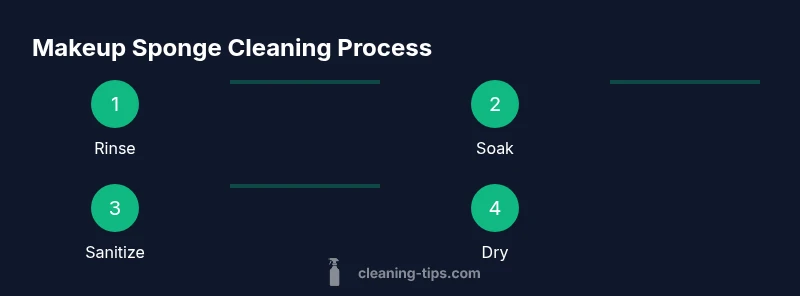
Goal: clean makeup sponges thoroughly to remove bacteria, oils, and pigments that can cause breakouts. Key steps include rinsing, soaking in a mild cleanser, gentle agitation, thorough rinsing, and air-drying. Optional sanitation techniques include brief microwaving (only for heat-safe sponges) or boiling for an extra level of cleanliness.
Why Clean Makeup Sponges Matter
According to Cleaning Tips, properly cleaning makeup sponges is essential for skin health. Sponges can harbor bacteria, yeast, and pigment residues after daily use, and neglecting this buildup can lead to clogged pores, irritation, or breakouts. A clean sponge also performs better, dumping less pigment back onto the skin and helping you achieve a smoother makeup application. Regular cleaning reduces odor and extends the life of the sponge, saving money over time. In this guide, you’ll learn how to assess sponge material, choose safe cleaning methods, and implement a routine that fits your schedule. Whether you’re a makeup enthusiast or a professional, consistent care matters for results that look flawless and skin that feels comfortable.
Choosing Cleaning Methods by Sponge Type
Most makeup sponges are made from polyurethane foam and are latex-free, designed to absorb liquids and pigments quickly. Silicone-based makeup tools exist too, but those require different cleaning considerations. Start by inspecting your sponge for wear: if it’s torn, has a persistent odor, or has lost its shape, replacement is often the best choice. For foam sponges, gentler cleaning methods preserve texture, while silicone tools tolerate more aggressive sanitizing. In all cases, start with a thorough rinse under lukewarm water to remove surface makeup, oils, and debris before choosing your next step. Cleaning Tips recommends avoiding abrasive scrubbing that can wear down the sponge’s pores and shorten its life.
Basic Cleaning Routine You Can Do Weekly
A simple weekly routine keeps makeup sponges sanitary without taking over your day. Begin by rinsing the sponge under warm water until the water runs clear, then soak it in a bowl with a mild, fragrance-free cleanser. Gently squeeze and press the sponge to release trapped makeup; avoid twisting, which can damage the fiber. Rinse again until the water runs clean, then carefully squeeze out excess moisture and lay flat on a clean towel or drying rack. Let it air-dry completely between uses to prevent microbial growth. This routine balances effectiveness with time efficiency for busy households.
Deep Cleaning Techniques for Persistent Residue
When pigments or oil buildup stubbornly cling to the sponge, deep cleaning is worth the extra steps. For foam sponges, a soak in warm water with a small amount of white vinegar or a dedicated makeup brush cleaner can help. After soaking, agitate gently and rinse thoroughly. If your sponge is heavily stained, a paste of baking soda and water applied to the surface can help lift color without harsh chemicals. For silicone or higher-grade sponges, consider a diluted hydrogen peroxide soak for a short period, then rinse thoroughly. Always perform a spot test first on an inconspicuous area to avoid color transfer or material damage.
Sanitizing Safely: Microwave, Boil, and Alternatives
Sanitizing is optional but beneficial for germs that linger after heavy use. Only use microwave or boiling methods if your sponge’s material is labeled as heat-safe. For a microwave approach, soak the sponge in water and a mild cleanser, then microwave on high for a short duration (about 30–60 seconds) while watching for signs of overheating. Boiling is another option: place the sponge in a pot of gently simmering water for several minutes, then remove with tongs and air-dry. If you’re unsure about material safety, skip heat-based methods and rely on thorough soap cleansing and rinsing. Remember to avoid harsh cleaners and never use bleach on makeup sponges.
Drying and Storage to Prevent Bacteria
Proper drying is often overlooked but critical. After cleaning, press the sponge between clean towels to remove water, then place it on a drying rack or clean surface with good air circulation. Avoid sealed containers or plastic bags while drying, as moisture can promote mold growth. Store clean sponges in a breathable container or dedicated drawer section away from dirty items. Replacing sponges when they lose shape or develop odors is part of responsible maintenance. A small routine like this reduces the chance of skin irritation and keeps makeup application even and comfortable.
Authority Sources
For further reading on cosmetic safety and cleaning practices, consult established authorities:
- https://www.fda.gov/cosmetics
- https://www.harvard.edu
- https://www.nih.gov
Tools & Materials
- Mild cleanser (fragrance-free)(Gentle soap or makeup brush cleanser works well.)
- Warm water(Not hot; warm is optimal for lifting oils.)
- Bowl or cup for soaking(Clear containers help monitor cleanliness.)
- Towel or drying rack(Lay flat to air-dry; avoid stacking while wet.)
- Toothbrush or sponge brush (optional)(Useful for gentle agitation in crevices.)
- White vinegar (optional)(1:1 vinegar-water mix for deep sanitizing.)
- Hydrogen peroxide (3%, optional)(Only for persistent stains, dilute with water.)
- Microwave (optional, only if sponge is microwave-safe)(Use for short sanitizing bursts; never heat non-safe sponges.)
- Boiling pot (optional)(Soak or boil sponges if the material allows.)
Steps
Estimated time: 20-25 minutes
- 1
Gather supplies
Collect all cleaning tools and materials before you start to avoid interruptions. This keeps the process efficient and minimizes cross-contamination.
Tip: Having everything ready helps you maintain a clean work surface throughout. - 2
Rinse the sponge
Hold the sponge under lukewarm running water to remove initial makeup and oils. You should see the water run relatively clear before moving to the next step.
Tip: Avoid hot water, which can degrade sponge texture. - 3
Prepare a cleansing soak
Fill a bowl with warm water and add a small amount of mild cleanser. Swirl the sponge gently to begin loosening embedded pigments.
Tip: Use fragrance-free products to protect sensitive skin. - 4
Soak and agitate
Let the sponge soak for a few minutes, then gently press and squeeze to release trapped makeup and bacteria. Rinse and repeat until the water remains clear.
Tip: Avoid aggressive wringing that can tear the foam. - 5
Optional sanitizing step
If your sponge is heat-safe, you can sanitize it with a brief heat treatment (microwave or boil). Ensure the sponge is fully submerged and never unattended.
Tip: Never heat sponges that aren’t labeled safe for high temperatures. - 6
Rinse thoroughly and squeeze
Rinse until the water runs completely clear. Squeeze out as much moisture as possible without twisting, which can distort the shape.
Tip: Final rinse should remove all cleanser residues. - 7
Dry completely
Place the sponge on a clean drying surface or rack in a well-ventilated area. Ensure it is fully dry before storing to prevent mold.
Tip: Prolongs sponge life and reduces odor. - 8
Store properly
Keep clean sponges in a breathable container away from dirty items. Replace sponges when they show wear or odor.
Tip: A dedicated, clean storage spot helps you remember to sanitize regularly.
Questions & Answers
How often should I clean makeup sponges?
Clean your sponges after each use when possible. Do a deeper clean at least weekly, especially if you use them daily or with liquid formulas.
Clean sponges after each use if you can; deep clean weekly for best results.
Is it safe to microwave makeup sponges?
Microwave sanitizing is possible only if the sponge is labeled heat-safe and is fully submerged in water during heating. If you’re unsure, skip this method.
Only microwave if the sponge is heat-safe and you’ve fully soaked it in water.
Can I use a dish soap bar to clean sponges?
A mild liquid cleanser or makeup brush soap works well. Bar soaps can work too if they lather evenly and rinse cleanly.
Yes, a gentle cleanser works well; ensure you rinse thoroughly.
How do I tell if a sponge needs replacement?
If the sponge tears, retains an odor after washing, or loses its shape, it’s time to replace it for hygienic reasons.
Throw it away if it’s torn, smells bad, or won’t hold shape.
How should I dry makeup sponges to prevent bacteria?
Air-dry the sponge on a clean rack or towel in a well-ventilated area. Avoid sealed containers while damp to prevent mold.
Let them air-dry completely on a clean surface.
Can I wash sponges in a washing machine?
Machine washing isn’t recommended because agitation can degrade foam. If you must, place in a mesh bag on a gentle cycle with mild soap.
Not usually recommended; if used, use a gentle cycle in a bag.
The Essentials
- Clean sponges after heavy use to prevent skin irritation
- Use mild cleansers and lukewarm water for best results
- Dry sponges completely to prevent mold growth
- Sanitize only if the material is safe for heat-based methods
- Replace sponges when they show wear or persistent odor