Best Way to Clean Barbeque Grills: A Practical Guide
Learn the best way to clean barbeque grills with a practical, beginner-friendly routine. Safe, effective methods for gas, charcoal, and electric grills, plus eco-friendly cleaners and maintenance tips.


This guide shows the best way to clean barbeque grills, including safety steps, degreasing, disassembly, and seasoning. It covers gas, charcoal, and electric grills, plus tips for ash removal and residue prevention. Follow the routine to extend grill life, improve flavor, and reduce flare-ups. Whether you grill weekly or seasonally, a clean grill performs better and lasts longer.
Why Regular Grill Cleaning Matters
According to Cleaning Tips, regular grill cleaning is essential for safety, flavor, and longevity. Built-up grease and carbon can cause flare-ups, uneven heating, and corrosion over time. A clean grill heats more evenly, reduces the risk of burnt residues affecting taste, and helps you spot worn parts before they fail. Consistent cleaning also makes maintenance easier and shorter during peak grilling season, so you can spend more time enjoying your cookouts. A routine that targets grates, drip trays, and interior walls minimizes stubborn buildup and ensures your grill stays ready for the next cook.
Tools and Materials You Need Before You Start
Having the right tools on hand saves time and reduces damage. Gather a sturdy grill brush (with brass or stainless steel bristles for durability), a wide scraper, a non-abrasive sponge or microfiber cloth, a bucket of warm soapy water, a spray bottle with a mild degreaser, baking soda, white vinegar, old towels or rags, and heat-resistant gloves. For cast-iron grates, keep a light coat of neutral oil handy for seasoning after cleaning. If you grill outdoors, consider rust-preventive spray designed for outdoor cooking gear. Cleaning Tips recommends prepping your space with good ventilation and a designated trash bag to keep ashes contained and odor-free.
Step-by-Step Cleaning Process (Overview)
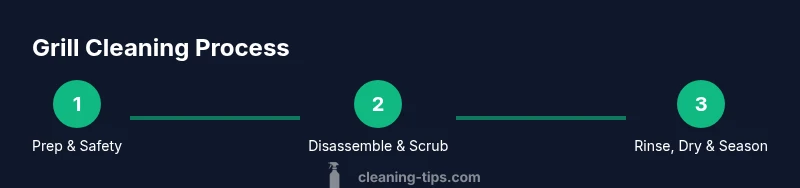
A thorough cleaning covers pre-clean safety, mechanical scrubbing, interior wipe-downs, and proper drying/seasoning. Start by cooling the grill completely, then disassemble removable parts for a thorough scrub. Work from the grates toward the interior to avoid pushing debris into clean areas. Rinse and dry each piece completely before reassembling. For deeper grime, soak grates in warm soapy water, then scrub with a bristle brush. After drying, apply a light coat of oil to cast iron parts to maintain seasoning and prevent rust.
Post-Clean Care: Seasoning and Maintenance
Seasoning cast-iron grates creates a protective layer that repels moisture and makes future cleaning easier. Wipe grates with a clean cloth, apply a thin layer of neutral oil, and heat the grill to 350–400°F for 15–20 minutes to polymerize the coating. Inspect burner tubes or heating elements for blockages and clean any residue with a soft brush. Schedule a monthly deeper clean during heavy-use periods and a light wipe-down after each cookout to maintain optimal performance and flavor.
Eco-Friendly Cleaners and Safety Tips
Opt for biodegradable degreasers and natural cleaners like baking soda and white vinegar when possible. Avoid harsh chemical strippers near cooking surfaces, and always rinse thoroughly to remove any soap residue. Use a well-ventilated area and wear gloves to protect skin from hot surfaces and cleaners. After cleaning, let everything dry completely before reassembly to prevent rust and warping. Cleaning Tips emphasizes choosing eco-friendly options that won’t compromise food safety or grill longevity.
Common Pitfalls and Troubleshooting
Avoid using metal-bristle brushes on non-stainless surfaces or near heat sources, as bristles can shed and contaminate food. Don’t spray cleaners directly onto hot surfaces; let the grill cool first to prevent steam burns or warping. If rust appears on cast-iron grates, scrub with a rust-removal pad, reseason, and monitor for recurring spots. If grease fires recur during cooking, perform a quick clean between sessions and adjust flame control to minimize flare-ups. When in doubt, consult your grill’s manual for manufacturer-approved methods.
How to Store and Prep for Next Use
Store grill tools and cleaners in a dry, shaded area to prevent rust and deterioration. Before closing the lid, wipe all exterior surfaces and ensure vents are clean and unobstructed. For charcoal grills, add fresh charcoal and a dry fuel layer to maintain even lighting. For gas grills, check hoses for cracks and ensure the propane supply is secure. A quick wipe-down and a light oil coating after every cleaning helps extend the life of grates and heat plates.
Tools & Materials
- Grill brush (brass or stainless steel bristles)(Choose a brush with a comfortable grip and a stiff head for stubborn grime)
- Wide scraper(Use on heavy buildup on grates)
- Bucket of warm, soapy water(Dish soap or mild degreaser is fine)
- Non-abrasive sponge or microfiber cloth(For interior walls and drip tray)
- Spray bottle with mild degreaser(Use a product safe for cooking surfaces)
- Baking soda and white vinegar(For natural cleaning and deodorizing)
- Heat-resistant gloves(Protect hands during handling and scrubbing)
- Old towels or rags(For drying and polishing)
- Neutral cooking oil (for seasoning)(Only for cast-iron grates)
- Trash bags or bin(Contain ash and debris safely)
Steps
Estimated time: 60-90 minutes
- 1
Prioritize safety and prep
Turn off the grill and disconnect the gas line or power if applicable. Allow the grill to cool completely before touching any parts. Put on gloves and lay out cleaning supplies so you can move smoothly from one task to the next.
Tip: If you suspect a gas leak, wait until it’s resolved before inspecting any components. - 2
Remove grates and components
Carefully lift out grates, heat plates, and drip tray. Place them on a stable surface for soaking. Empty and wipe the grease tray to prevent overflow during cleaning.
Tip: Take photos before disassembly if you’re unsure how parts fit back together. - 3
Scrape and loosen residue
Use the grill brush and scraper to remove charred residue from grates and interior walls. Focus on corners where grease collects. For stubborn spots, apply a mild degreaser and let it sit for a few minutes.
Tip: Always work from the center outward to avoid pushing debris into already-clean areas. - 4
Clean interior components
Wipe interior walls, heat plates, and burner guards with warm soapy water or degreaser. Rinse with clean water and dry with a towel. If you have electric coils, avoid soaking them; wipe gently.
Tip: Never spray water directly into burner tubes or electronic components. - 5
Wash and rinse grates
Soak grates in warm, soapy water for 10–15 minutes, then scrub with a bristle brush. Rinse thoroughly to remove soap residue, especially in porous surfaces. Dry completely before reassembly.
Tip: For stainless steel, a light buff with a dry cloth restores shine. - 6
Season cast-iron parts
If you have cast-iron grates, apply a thin layer of neutral oil. Heat the grill to 350–400°F for 15–20 minutes to polymerize the oil, forming a protective seasoning layer.
Tip: Wipe away any excess oil to avoid sticky surfaces. - 7
Reassemble and test
Put all parts back in place and reconnect gas or power if needed. Light the grill briefly to confirm even heating and absence of unusual smells or smoke.
Tip: If you notice rust or wear, address it before hosting a cookout. - 8
Final wipe-down and storage
Wipe exterior surfaces, close all latches, and store tools in a dry area. Allow the grill to cool before covering or storing to prevent moisture buildup.
Tip: Regular quick cleans between major sessions save time later.
Questions & Answers
What is the best way to clean barbeque grills?
The best method combines safety prep, disassembly, scrubbing, and drying, followed by seasoning if needed. It applies to gas, charcoal, and electric grills with adjustments for parts you own.
The best method combines safety, disassembly, scrubbing, and drying, with seasoning if needed. It works for gas, charcoal, and electric grills.
Can I use dish soap on a gas grill?
Yes for exterior cleaning and non-electrical parts; avoid soap on burners or inside sealed gas lines. Rinse thoroughly and allow to dry completely.
You can use dish soap on exterior parts, but rinse well and avoid burners or sealed lines.
Are steel-bristle brushes safe on stainless steel?
Safer alternatives exist; steel bristles can shed and stick to food. Use nylon or brass brushes and inspect grates regularly.
Steel brushes can shed bristles; use nylon or brass brushes and check for any loose bristles.
How often should I clean a grill?
Clean after every use for best results, and perform a deeper clean monthly or seasonally depending on usage and buildup.
Clean after every use and do a deeper clean monthly or seasonally depending on how often you grill.
What cleaners are safe for cast iron grates?
Warm water and a stiff brush work well; avoid harsh chemicals that strip seasoning. Reseason after cleaning to restore protection.
Use warm water and a stiff brush; avoid harsh chemicals and reseason after cleaning.
My grill has rust. What should I do?
Scrub lightly with a rust-removal pad, reseason cast-iron parts, and monitor spots. If rust persists on structural parts, consider replacement.
Scrub rust off, reseason, and monitor. If it keeps returning, consider replacing affected parts.
Watch Video
The Essentials
- Establish a regular cleaning routine after each use.
- Use the right tools to prevent damage and injury.
- Dry components thoroughly to prevent rust and mold.
- Season cast-iron parts to maintain seasoning and performance.
- Choose eco-friendly cleaners to protect your family and environment.