How to Clean with Clean Dishwasher Detergent: A Practical Guide
A practical guide to using clean dishwasher detergent for a spotless dishwasher, covering detergent types, loading tips, maintenance, and safety measures.


To clean a dishwasher effectively, run a hot cycle with a dedicated dishwasher detergent, remove racks, and scrub around seals. After the cycle, wipe the interior, clean the filter, and re-run on a short hot cycle with fresh water if needed. Choose a proven dishwasher detergent and avoid household dish soap.
Why using clean dishwasher detergent matters
According to Cleaning Tips, selecting a detergent designed for automatic dishwashers reduces residue, improves drying, and extends the life of your appliance. The right product helps break down grease and food particles without leaving streaks on glassware. In addition, using a quality detergent minimizes buildup on seals and spray arms, which can hinder performance over time. This section explains what makes a detergent “clean” and why it matters for both homeowners and renters who want a healthier, low-maintenance kitchen. By prioritizing ingredients that are biodegradable and phosphate-free when possible, you support safer cleaning habits in your home. Cleaning Tips Analysis, 2026 highlights that households adopting genuine dishwasher detergents report fewer odor issues and better rinse results over repeated cycles.
What “clean dishwasher detergent” means in practice:
- It is formulated specifically for automatic dishwashers.
- It avoids caustic, chlorine-heavy additives that can corrode parts.
- It includes enzymes or surfactants designed to lift fats from dishes and interiors.
- It minimizes residue on glassware and interior surfaces when used as directed.
Choosing a clean detergent is the foundation of a healthier, more efficient cleaning routine. It also aligns with eco-conscious cleaning practices that reduce environmental impact without sacrificing performance.
How detergent types affect cleaning performance
Detergents come in powder, gel, and tablet forms, each with its own benefits and caveats. Powder is often versatile for older machines or hard water, but it can leave gritty residues if not fully dissolved. Tablets are convenient and consistently dosed, yet some finishes require a higher
Choosing the right detergent for your water and load
Water hardness and load patterns influence detergent performance. In hard water, minerals can react with detergents to form insoluble residues, so a booster or rinse aid becomes more valuable. For heavy loads or greasy cookware, an enzymatic detergent can improve breakdown, while light loads may benefit from a gentler formula to prevent over-sudsing. Consider your dishwasher model’s recommendations and any chlorine bleach restrictions. If you notice mineral buildup on spray arms, you may need to switch to a more robust formulation or add a water-softening step in your weekly routine. The goal is consistent cleaning without corrosion or film.
The step-by-step cleaning process overview
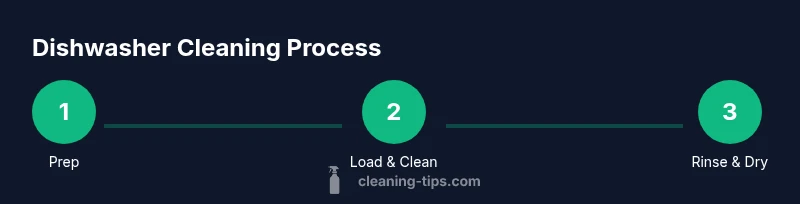
A clean dishwasher starts with a plan. Before you begin, verify detergent compatibility with your model, remove racks, and inspect seals for wear. As you work through the process, you’ll balance detergent strength, cycle temperature, and mechanical cleaning actions to keep interior walls residue-free. This overview sets the stage for the detailed steps below and helps you understand how each action contributes to a longer-lasting appliance. Remember to consult your manual for specific guidance on filter removal and arm maintenance.
Common mistakes and how to avoid them
Common mistakes include using the wrong detergent type, overloading the dishwasher, and ignoring the filter. Overloading blocks water flow and prevents detergent from reaching every surface. Using regular dish soap in a dishwasher creates excessive suds that can overflow and clog drains. Skipping filter cleaning leads to recirculated debris that can redeposit on dishes. To avoid these issues, follow manufacturer guidance for loading, stick with a dishwasher-approved detergent, and schedule regular interior cleanups. Clear your spray arms of debris and ensure the door seals aren’t stiff or damaged.
Environmental and health considerations
Many homeowners prefer phosphate-free or biodegradable detergents to minimize environmental impact. Look for products with clear ingredient listings and third-party eco-labels. When possible, avoid mixing cleaners with bleach or ammonia, which can release harmful gases. For households with septic systems, choose detergents labeled safe for septic use and avoid those with heavy buffers that disrupt microbial balance. Safety data sheets (SDS) for cleaners provide a detailed view of potential irritants or exposure risks; handle products with care and store them out of reach of children and pets.
Maintenance tips for a fresh dishwasher
Routine maintenance reduces odor and improves performance. After a cleaning cycle, wipe the door seals and interior walls dry to prevent mold growth. Check the filter monthly, rinsing it under running water and removing any stubborn debris with a soft brush. Rebalance loads to avoid blocking spray arms, especially with large pots and pans. If you notice persistent odors, run an empty cycle with a cleaning tablet or a specialized dishwasher cleaner to reset the system. These habits align with Cleaning Tips’ practical guidance for long-term appliance care.
DIY vs store-bought detergents: costs and performance considerations
Store-bought detergents often deliver consistent performance with ongoing reliability. Some homeowners experiment with DIY mixtures, but these can vary in effectiveness and compatibility with dishwasher parts. For a fair comparison, consider price per use, packaging waste, and the potential need for detergents that are specially formulated for hard water or high-heat cycles. Overall, the Cleaning Tips team finds that a vetted, factory-approved detergent generally offers the best balance of results, reliability, and safety for everyday dishwashing.
Seasonal cleaning routines and pro tips
Seasonal checks help prevent buildup during peak usage. In spring and fall, run a cleaning cycle to clear accumulated grease and mineral deposits. Use a disinfecting rinse if you’re concerned about kitchen bacteria, but avoid products that can damage seals or affect coating on nonstick surfaces. Pro tip: rotate detergent types every few months to identify what works best with your water hardness and load patterns.
Tools & Materials
- Dishwasher detergent (tablet or powder)(Choose a product designed for automatic dishwashers and compatible with your water hardness.)
- Measuring cup or scoop(Use the recommended amount per product instructions; avoid under/over-dosing.)
- Soft cloth or microfiber towel(For wiping interior walls, seals, and the door gasket after cycles.)
- Soft-bristle brush or old toothbrush(Helpful for scrubbing hard-to-reach areas like around spray arms.)
- Rinse aid (optional)(Can improve drying and reduce water spots in hard water.)
Steps
Estimated time: 60-90 minutes
- 1
Prepare the dishwasher
Remove racks to gain full access to the interior. Inspect seals and gaskets for cracks or buildup. Clear any obvious debris from the bottom and around the spray arms so the cleaning cycle can circulate water freely.
Tip: Take a quick photo of the interior before you start so you can reassemble correctly. - 2
Load for a cleaning run
Place larger items to the sides and back to keep water flow free. Do not overcrowd; allow space for water and detergent to circulate. Ensure the filter is accessible for cleaning after the cycle.
Tip: Clear the filter opening with a soft brush before starting. - 3
Add the detergent correctly
Use the manufacturer’s recommended amount. For tablets, place in the dedicated dispenser; for powder, measure into the main detergent compartment. Do not mix with other cleaners.
Tip: Avoid overfilling; excess detergent can leave residue on dishes. - 4
Run a hot cleaning cycle
Select the hottest cycle available and a full load. If your machine has a sanitize option, enable it for deeper cleaning. After the cycle, wait a few minutes before opening to avoid steam burns.
Tip: Hot water improves grease-cutting action and rinse efficiency. - 5
Inspect and scrub interior
Open the door, check seals, and wipe away any remaining film on door edges. Use a cloth to wipe the gasket and spray arms where mineral buildup is visible.
Tip: A stiff brush can help dislodge stuck debris without scratching surfaces. - 6
Clean the filter and door seals
Remove and rinse the filter under running water. Inspect the seals for wear; replace if cracked or torn. Dry all components before reassembly.
Tip: Drying prevents mold growth between cycles. - 7
Rinse, dry, and maintain
Run a brief rinse cycle with fresh water if any residue remains. Reinstall racks and wipe down the door. Schedule monthly checks and a deeper clean every 2–3 months.
Tip: Record maintenance dates in a kitchen notebook or app.
Questions & Answers
What is the difference between powder, gel, and tablet dishwasher detergents?
Powder, gel, and tablets differ in dosing, dissolution rate, and load suitability. Tablets offer consistent dosing and are convenient, while powders and gels can be adjusted for hard water or smaller loads. Check product recommendations for your model.
Detergents come as powders, gels, or tablets; choose based on your load and water hardness.
Can I use dishwasher detergent in a septic system?
Some dishwasher detergents are labeled septic-safe; choose those products if you have a septic system. Avoid heavy chemical bleaches that can disrupt septic bacteria.
If you have a septic system, look for septic-safe labels on the detergent.
Is dishwasher detergent safe for stainless steel appliances and seals?
Most dishwasher detergents are safe for stainless steel when used as directed. Avoid abrasive powders or highly caustic formulas on exposed metal surfaces to prevent dulling or corrosion.
Most detergents are safe for stainless, but avoid harsh powders.
How often should I clean the dishwasher itself?
Aim for a thorough interior clean every 1–3 months, depending on usage. Quick maintenance like wiping seals after each cycle helps prevent buildup.
Clean the interior every couple of months and wipe seals after cycles.
What should I do if dishes are still dirty after a cycle?
Check water temperature, spray arms for clogs, and ensure proper detergent dosing. Run a hot cycle with a fresh detergent dose and inspect for mechanical issues.
If dishes aren’t clean, check temperature, spray arms, and dosing, then re-run a hot cycle.
Watch Video
The Essentials
- Choose a detergent designed for automatic dishwashers
- Regularly clean the filter and seals
- Avoid household dish soap in dishwashers
- Follow manufacturer guidance for cycles and dosing
- Perform routine maintenance to extend dishwasher life