Clean or Replace Maf Sensor: A Practical How-To Guide
Learn how to decide between cleaning or replacing your maf sensor, with step-by-step instructions, safety tips, and maintenance practices for a healthier engine and better fuel efficiency.


This guide helps you decide whether to clean or replace your maf sensor and walks you through a practical, step-by-step approach. You'll learn how to assess symptoms, gather the right tools, safely remove and clean the sensor, and know when replacement is the better option. Cleaning Tips provides practical, cost-conscious advice for homeowners.
Why MAF Sensor Condition Impacts Your Vehicle
A healthy Mass Air Flow (MAF) sensor is essential for accurate air-fuel metering. When contaminants build up on the sensing element or when connectors corrode, the engine control unit (ECU) can misread airflow. This leads to symptoms like rough idle, stalling at low RPM, and reduced fuel economy. According to Cleaning Tips, many “MAF problems” stem from contamination or poor electrical connections rather than a fully failed sensor. The takeaway for DIYers is to diagnose systematically and decide whether cleaning or replacing makes the most sense for your situation. This decision can save time, money, and unnecessary parts replacements while keeping your vehicle closer to peak efficiency.
In this guide, you’ll discover a clear framework for evaluation, a practical cleaning protocol when appropriate, and a safe replacement path when cleaning won’t restore proper function. By grounding the process in practical home maintenance principles, Cleaning Tips aims to empower homeowners and renters with reliable, budget-friendly guidance that reduces risk and confusion around MAF sensor issues.
How a MAF Sensor Works and Why Failure Happens
The MAF sensor measures the amount of air entering the engine, which the ECU uses to calculate fuel delivery. When the air is restricted or the sensor is dirty, readings can become inaccurate, causing the engine to either run too rich or too lean. Contaminants such as dust, oil, and silicone can coat the sensing element, while electrical corrosion or loose connections can introduce noise into the signal. Modern vehicles also rely on the MAF signal in combination with other sensors; a faulty MAF can cascade into misfires or poor acceleration. The root cause isn’t always the sensor itself—it can be a dirty intake, a vacuum leak, or a faulty connector. Understanding these dynamics helps you decide between cleaning and replacement more confidently.
Signs Your MAF Sensor Needs Attention
Several warning signs point to MAF sensor trouble, though they can mimic other engine issues. Common symptoms include rough idle, hesitation or stumbling on acceleration, reduced fuel efficiency, and check engine light codes such as P0101–P0104, which indicate mass airflow circuit range or performance issues. Some owners also notice erratic RPM behavior at idle, or a stumble when the throttle is opened during a cold start. It’s important to perform diagnostic checks rather than relying on symptoms alone, since other components like the intake system, vacuum lines, or the oxygen sensors can produce similar signals. If fault codes persist after a basic inspection, move to controlled cleaning or replacement as appropriate.
Should You Clean or Replace? A Practical Rule of Thumb
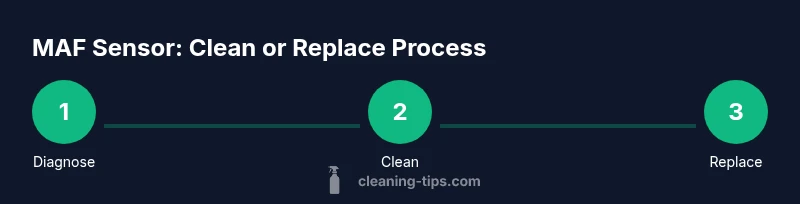
Deciding between cleaning or replacing a MAF sensor rests on a balance of symptoms, diagnostic codes, and cost. If you observe transient airflow irregularities, the sensor is only lightly contaminated, and there are no persistent trouble codes, cleaning is a reasonable first step. Cleaning can restore accuracy when done correctly and with the right products. Conversely, if readings remain inconsistent after cleaning, if codes reappear quickly, or if the sensor element appears cracked or damaged, replacement is the prudent choice. In both cases, be mindful of other potential sources of trouble in the air intake system. This approach helps you avoid unnecessary parts changes and ensures you address root causes rather than symptoms.
Cleaning a MAF Sensor: When It Makes Sense
Cleaning a MAF sensor is often a cost-effective option for light contamination. You’ll need a dedicated MAF sensor cleaner (never generic contact cleaner on the sensing element), soft brushes or lint-free wipes, and a clean workspace. The goal is to dissolve and lift deposits without abrading the delicate hot film or wire elements. Remove the sensor following the manufacturer’s guidelines for your vehicle, hold it and spray the cleaner lightly, then wipe away residue with a lint-free cloth. Allow the sensor to dry completely before reinstalling. Once refitted, the ECU will have to relearn fuel trims, which may take a short drive cycle—usually 10–15 minutes of driving. Cleaning is often a good first step, but it’s not a guarantee that all problems are resolved.
Replacing the MAF Sensor: When and How
Replacement becomes necessary when cleaning cannot restore proper readings or when the sensor shows physical damage such as cracks, damaged wires, or a burned-out element. Replacing a MAF sensor involves selecting a compatible sensor, disconnecting the battery, removing the old unit, and installing the new one with the correct orientation and clamps. After installation, clear any codes and drive under varied conditions to allow the ECU to relearn air-fuel parameters. While replacement has a higher upfront cost, it provides a more definitive fix for persistent sensor problems and can prevent recurring drivability issues.
Safety First: Electrical and Engine Precautions
When working around the air intake and electrical connectors, safety comes first. Always disconnect the negative battery terminal before touching sensitive sensors to prevent shorts and shocks. Avoid spraying solvent directly at electrical connectors; use sprays designed for electrical components and follow the product’s safety instructions. Work in a well-ventilated area and wear eye protection. Static discharge can damage sensors, so keep yourself grounded and avoid touching the sensing element with bare hands of unclean tools. These precautions help prevent accidental damage during cleaning or replacement.
Tools and Cleaning Products You Need
A successful clean or replace job relies on having the right tools and products handy. A basic set includes a dedicated MAF sensor cleaner, soft lint-free cloths, small screwdrivers or Torx bits, wrenches or sockets for sensor removal, a small flashlight, and protective gloves. If you’re replacing the sensor, you’ll need the correct replacement part for your exact vehicle make and model, plus a way to reset or relearn the ECU adaptation after installation. Using quality parts and cleaners reduces the risk of re-contamination and ensures a reliable diagnostic result.
Step-by-Step Overview (High-Level)
- Diagnose symptoms and pull codes to determine if the MAF sensor is likely the root cause. 2) Gather the right tools and prepare a clean workspace. 3) If cleaning, remove the sensor and apply MAF cleaner according to the instructions. 4) Reinstall the sensor and reconnect the wiring. 5) Scan codes or drive to allow the ECU to relearn. 6) If replacing, install the new unit and confirm proper operation. 7) Confirm performance with a test drive and monitor readings.
Common Mistakes and How to Avoid Them
Avoid using heavy solvents on the sensor, as they can damage it. Never spray cleaner directly into the engine for extended periods. Do not force or bend delicate sensor pins. Always allow the sensor to dry completely before reinstalling and avoid touching the sensing element with bare fingers. Finally, recheck all electrical connections after reinstalling to ensure a solid, corrosion-free contact.
How to Verify Your Fix and Relearn Fuel Trims
After cleaning or replacement, the ECU must relearn fuel trims. A short test drive under varied conditions helps track performance. If codes persist, use an OBD-II scanner to monitor live data; check that MAF SCALE readings are within expected ranges for your vehicle and that fuel trim is stable. If readings remain abnormal, a more thorough inspection of the intake system, vacuum lines, and downstream sensors may be required.
Maintenance Tips to Extend MAF Sensor Life
Preventative care goes a long way. Regularly replace the air filter, use high-quality intake components, and avoid oil leaks that can splatter onto the sensor. Occasionally inspect electrical connectors for corrosion and ensure hoses and clamps are intact. Periodic cleaning with the right cleaner can prevent buildup and extend sensor life, reducing the likelihood of repeated failures and the associated maintenance costs.
Tools & Materials
- MAF sensor cleaner (dedicated product)(Do not use general contact cleaner on the sensing element)
- Lint-free cloths(Soft, untapped for wiping deposits)
- Small screwdrivers or Torx bits(For sensor removal and reinstallation)
- Socket wrench or appropriate wrench(For removing mounting bolts)
- Gloves and safety glasses(Protect hands and eyes during cleaning and handling)
- Replacement MAF sensor (if replacing)(Choose a compatible part for your vehicle)
- Electrical contact cleaner(Optional for cleaning connectors (do not spray on sensing element))
- Multimeter (optional)(Check sensor circuit continuity if diagnosing electrical issues)
- Engine degreaser or rags(Clean around the sensor area before removal)
Steps
Estimated time: Total time: 60-90 minutes
- 1
Prepare and diagnose
Turn off the engine, disconnect the battery, and read diagnostic codes. Confirm that symptoms point to MAF-related trouble rather than an intake leak or ignition issue. This initial check helps decide whether you should clean or replace the sensor.
Tip: Document codes before clearing them so you can track improvement after service. - 2
Access and inspect the MAF sensor
Locate the MAF sensor in the intake tube, disconnect the electrical connector, and visually inspect for obvious damage or corrosion. Check the wiring harness for wear or loose pins before attempting removal.
Tip: Use a flashlight and work in a well-lit area to avoid missing damaged pins. - 3
Remove the sensor
Unbolt or unclip the sensor from its housing with the appropriate tool. Keep bolts in a labeled tray and avoid bending any wiring. Handle the sensor gently to prevent damage.
Tip: Note orientation marks to ensure correct reinstallation. - 4
Clean if contamination is present
Spray the dedicated MAF cleaner onto the sensor surfaces from a safe distance. Gently wipe away any loose deposits with a lint-free cloth; do not rub the sensing element. Allow the sensor to dry completely before reinstalling.
Tip: Do not spray solvent directly at sensitive electronics outside the sensing area. - 5
Dry and reinstall
Confirm the sensor is fully dry, reassemble it, and reconnect the electrical connector. Reinstall bolts, ensuring snug but not over-tightened fittings.
Tip: Avoid overtightening to prevent warping the housing or damaging the seals. - 6
Reconnect and reset codes
Reconnect the battery and use an OBD-II scanner to clear codes if you’re certain you fixed the issue. Some vehicles relearn automatically after a short drive; others require manual ECU reset.
Tip: Allow the ECU to relearn fuel trims by driving under varied conditions. - 7
Test drive and observe
Take a test drive, paying attention to throttle response, idle quality, and acceleration. Monitor live sensor data if possible to verify readings stay within expected ranges.
Tip: If the symptom persists, consider other air-fuel system issues before replacing the sensor. - 8
Decide on replacement
If readings remain erratic or codes persist after cleaning, replacement is the logical next step. Choose a compatible sensor and follow installation steps as above.
Tip: Check warranty on replacement parts to maximize value. - 9
Install the replacement
Install the new sensor with the same care as a cleaning, ensuring proper orientation and solid electrical connections. Reconnect hoses and clamps if applicable.
Tip: Handle the new sensor gently and avoid touching the sensing element. - 10
Final checks and ECU relearn
Clear any residual codes, perform a multi-point test drive, and confirm steady operation. Verify that fuel trim and air-fuel readings align with manufacturer expectations.
Tip: Document the successful retrofit for future maintenance. - 11
Document outcomes
Record the service performed, parts used, and observed performance changes. This record helps with future maintenance decisions and potential warranty claims.
Tip: Keep receipts and notes with your vehicle maintenance logs.
Questions & Answers
Can a dirty MAF sensor cause engine misfires?
Yes. A dirty MAF can disrupt air-fuel ratios, leading to misfires, rough idle, and reduced power. Diagnosing with codes helps confirm the cause before choosing cleaning or replacement.
Yes. A dirty MAF can cause misfires and rough idle; diagnose with codes before fixing.
Is it safe to clean a MAF sensor at home?
Cleaning is generally safe when you use the correct MAF sensor cleaner and avoid the sensing element. Follow the manufacturer’s steps and disconnect the battery to reduce risk.
Yes, with the right cleaner and careful handling.
How do you know if you need replacement rather than cleaning?
If cleaning doesn’t resolve readings or fault codes return, or the sensor is physically damaged, replacement is advised. This prevents repeated drivability issues.
If cleaning doesn’t fix it or the sensor is damaged, replace it.
Will cleaning reset engine codes automatically?
Some engines relearn fuel trims after a drive cycle; others require code clearing with an scanner. Check your vehicle’s manual for ECU relearn specifics.
Some cars relearn automatically after driving; others may need code clearing.
What tools are essential for replacing a MAF sensor?
You’ll need the correct replacement sensor, basic hand tools to remove and install, and a way to reset codes or relearn the ECU after installation.
Essential tools include the correct sensor and basic hand tools; you may need an ECU relearn step.
Watch Video
The Essentials
- Assess symptoms and codes before acting
- Cleaning is a cost-saving first step for mild contamination
- Replace when cleaning doesn’t restore performance
- Relearn ECU adaptations after any service
- Use only dedicated MAF cleaner on the sensor