How to clean a restaurant hood: step-by-step guide
Learn a safe, effective method to clean your commercial kitchen hood, covering canopy, filters, and ducts, with practical tips, proper PPE, and maintenance schedules. A Cleaning Tips guide to safer, cleaner exhaust systems.


You will safely clean a restaurant hood, including the canopy, filters, and ductwork, by following a tested, step-by-step method. Gather PPE, degreaser appropriate for kitchen grease, scrub brushes, and a lint-free cloth. This guide from Cleaning Tips keeps grease from igniting and improves kitchen air quality. It emphasizes safety, compliance, and preventing hood fires.
Why a clean restaurant hood matters
A clean restaurant hood protects people, property, and profits. The hood captures and exhausts heat, smoke, and grease from the cooking line, but only if it remains free of buildup. Grease layers can ignite, clog airflow, and reduce ventilation efficiency, leading to higher energy costs and uneven air flow. According to Cleaning Tips, routine hood cleaning is a cornerstone of a healthy kitchen. A spotless hood also improves indoor air quality for staff and customers and makes it easier to pass health inspections. This section outlines why addressing canopy, filters, and ducts—starting with a simple visual check—pays off in safety and performance over time. If you see thick varnish-like buildup, corrosion, or loose parts, treat it as a high-priority maintenance item. A predictable schedule helps you avoid outages and ensures the exhaust system works as designed.
Safety and compliance considerations
Safety should guide every hood cleaning project. Begin by powering down the exhaust system and all related electrical components to prevent shocks. Wear PPE: chemical-resistant gloves, splash goggles, and a durable apron. Ventilate the area and lay down protective tarps to catch drips. Follow local health codes and the fire code requirements for commercial cooking exhaust systems; NFPA 96 is a widely cited standard for ventilation and fire protection in kitchens. Do not attempt to clean inside ductwork unless you are a trained technician with proper access. Never mix cleaners that release dangerous fumes, and avoid abrasive tools that can scratch stainless-steel surfaces. Maintain a clean, well-lit workspace and keep a log of each cleaning to support audits and safety reviews.
What parts to clean and how often
A comprehensive hood cleaning covers the outer canopy, interior surfaces, grease filters, and accessible duct components. Exterior canopy should be wiped down daily with a non-residue cleaner to prevent glaze; grease filters require a deep clean weekly or monthly depending on busy periods; access panels and fan housings should be inspected quarterly. Clear labeling helps staff remember what to wipe and when to schedule professional service for the ducts themselves. Keep a simple checklist and assign responsibility to a team member or contractor. For facilities with high-volume cooking, more frequent attention may be necessary; for small kitchens, align with local codes and NFPA 96 guidance.
Cleaning solutions and tools
Choose a kitchen-safe degreaser designed for stainless steel and dishwasher-safe surfaces. Avoid chlorine bleach or products that can corrode metal equipment. Use warm water and a soft brush for gentle scrubbing, and switch to a stiffer brush for tougher grease deposits on filters. Microfiber cloths help trap grease without leaving lint behind. A plastic scraper or squeegee can remove hardened glaze without scratching the metal. Keep a spray bottle for touch-ups and an extra bucket for rinse water. Label all cleaners and store them away from heat or flame sources.
Deep-cleaning approach for canopy, filters, and ducts
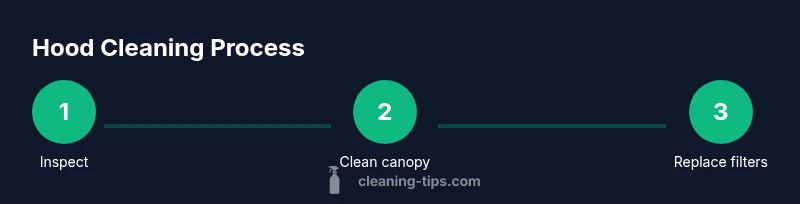
A methodical deep clean targets three zones: canopy and interior surfaces, grease filters, and accessible duct components. Start with the canopy exterior: spray cleaner, wait a moment for the grease to soften, then scrub with a non-abrasive brush and wipe dry. Remove filters and soak them in warm, soapy water; agitate to release built-up grease, then rinse thoroughly and air-dry. For duct access panels, wipe any grease residue, paying attention to seams and screws; never pressure-wash ducts or crawl into confined spaces unless trained. Reinstall filters only when completely dry, and reassemble the canopy with care. Finally, sanitize contact surfaces and perform a brief test run to confirm airflow and absence of odors.
Maintenance schedule and records
Create a simple maintenance calendar that records the date of each hood cleaning, the areas touched, and the staff or contractor responsible. Use a shared log (digital or paper) that includes a quick visual inspection note and any observations, such as unusual smells or loose hardware. Schedule professional duct inspections and cleanings as required by local codes or NFPA 96, and attach copies of inspection reports to the log for reference. Regular review of the log helps isolate recurring problems and proves compliance during audits.
Authority sources
- OSHA: Commercial Kitchen Safety and PPE guidelines (https://www.osha.gov)
- EPA: General information on kitchen grease and air quality (https://www.epa.gov)
- NFPA: Standard for Ventilation and Fire Protection (https://www.nfpa.org)
These sources provide foundational guidance for safe practices, proper PPE, and standard cleaning intervals.
Maintenance tips and best practices
Establish a routine that blends daily wipe-downs with quarterly deep cleans. Use color-coded towels and brushes for different zones to prevent cross-contamination. Keep a dedicated cleaning kit on-site, clearly labeled for quick access during busy shifts. Regular training for staff on recognizing signs of excessive buildup helps prevent fires and downtime.
Tools & Materials
- PPE kit (gloves, goggles, disposable apron)(Ensure chemical-resistant materials and proper fit for all staff)
- Non-abrasive kitchen degreaser (stainless steel-safe)(Label and store away from heat sources)
- Hot water, bucket, and spray bottle(Warm water enhances grease softening)
- Soft and stiff scrub brushes(Use non-scratch brushes for canopy and filters)
- Plastic putty knife or squeegee(Gentle scraping for hardened grease)
- Microfiber towels and lint-free cloths(For drying and buffing without fibers)
- Ladder or stable step stool(Access canopy and elevated components safely)
- Sanitizing spray or wipes(Use on contact surfaces after cleaning)
- Protective tarps or drop cloths(Catch drips during cleaning)
Steps
Estimated time: Total estimated time: 2-3 hours
- 1
Power down and prep PPE
Turn off the exhaust fan and all electrical controls related to the hood to prevent shocks. Put on chemical-resistant gloves, eye protection, and a disposable apron. Clear the work area and lay down tarps to catch grease and cleaners.
Tip: Double-check that power cannot be accidentally reactivated during cleaning. - 2
Remove canopy and filters
Carefully detach the canopy panels if possible and remove grease filters from the hood housing. Place all parts in a labeled bin so you can reassemble correctly. Take photos before removal to guide reassembly.
Tip: Keep track of all screws and hardware to avoid misplacement. - 3
Soak and pre-clean filters
Soak grease filters in warm, soapy water for 10–15 minutes to loosen buildup. Use a soft brush to dislodge embedded grease, then rinse thoroughly and set aside to air-dry.
Tip: Avoid using high heat to speed up drying; air-drying minimizes warping. - 4
Clean canopy exterior and interior
Apply degreaser to the canopy exterior and interior surfaces; let it sit briefly to soften grease. Scrub with a non-abrasive brush, paying attention to corners and seams, then wipe dry with a microfiber towel.
Tip: Do not spray cleaner directly into electrical boxes or fans. - 5
Tackle ducts and access panels
Wipe accessible surfaces around ducts and panels; do not enter restricted duct areas. Remove any visible grease and seal gaps where safe. If ducts show heavy buildup, schedule professional service.
Tip: Never use high-pressure water inside ducts or attempt to open inaccessible sections. - 6
Rinse, dry, and reassemble
Rinse all cleaned surfaces with clean water, then thoroughly dry to prevent water spots. Reinstall filters and canopy panels in the correct orientation. Check seals and tighten any loose hardware.
Tip: Ensure surfaces are completely dry before energizing the system. - 7
Sanitize and test
Apply a food-safe sanitizer to contact surfaces and wipe dry. Power the system back on and run the hood briefly to verify airflow and absence of abnormal odors.
Tip: Listen for unusual noises that could indicate loose parts. - 8
Document and schedule next due
Record the cleaning date, areas touched, and any observations in your maintenance log. Schedule the next deep clean according to usage and local codes.
Tip: Keep digital backups of your records for audits. - 9
Review and train
Review the process with staff and address any gaps in equipment handling or safety. Update training materials if you introduce new cleaners or tools.
Tip: Regular refreshers reduce mistakes and safety incidents.
Questions & Answers
How often should a commercial kitchen hood be cleaned?
Frequency depends on usage and local codes. Exterior wipe-downs are common daily, with more thorough cleanings at regular intervals and periodic professional duct inspections. Always refer to NFPA 96 guidelines and your health department requirements.
Most kitchens clean the exterior daily and schedule deeper cleans according to usage; check NFPA 96 for the official cadence.
Can I clean the hood myself or should I hire a pro?
Exterior cleaning and filter maintenance can be done by trained staff following safety precautions. Duct cleaning and internal ductwork inspections are typically performed by licensed professionals due to fire safety considerations.
You can do surface cleaning and filter care, but ducts usually need a licensed pro.
What PPE is essential for hood cleaning?
Wear chemical-resistant gloves, splash goggles, and a protective apron. Use a mask if aerosols are generated by the cleaner, and ensure good ventilation in the kitchen.
Always wear gloves, goggles, and an apron, and keep the area well-ventilated.
Is it safe to use household degreasers on a restaurant hood?
Only use cleaners labeled for food-service equipment and stainless steel surfaces. Avoid products that can corrode metal or leave residues that affect air quality.
Choose kitchen-safe degreasers meant for commercial use, and follow the label directions.
What are signs of grease buildup requiring attention?
Visible heavy grease, foul odors, reduced airflow, or unusual fan noise indicate significant buildup and potential fire risk; escalate cleaning or call a professional.
If you notice strong smells or poor ventilation, treat it as a warning sign and act quickly.
How should hood cleaning be documented for inspections?
Maintain a cleaning log with dates, areas touched, and responsible personnel. Attach inspection reports and keep records organized for audits and code compliance.
Keep a simple log so inspectors can see when and what was cleaned.
Watch Video
The Essentials
- Inspect hood parts regularly and log findings
- Use correct cleaners and PPE every time
- Ductwork requires professional service per NFPA 96 guidance
- Document maintenance and follow a scheduled routine