How to Clean a Sofa Safely: A Complete Service Guide
Learn a step-by-step method for safe, professional-style sofa cleaning at home. Covers fabric vs leather, patch testing, stain treatment, drying, and long-term maintenance for healthier upholstery.


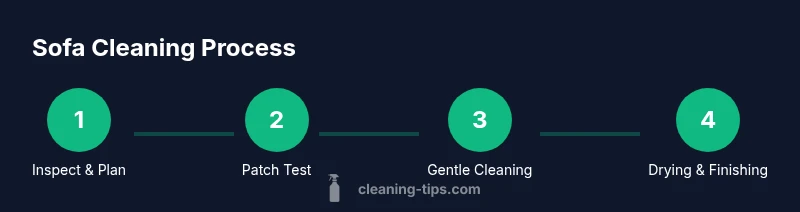
You’ll learn a thorough, professional-style sofa cleaning method you can perform at home. This guide covers material identification, patch testing, selecting safe cleaners, stain treatment, thorough drying, and ongoing maintenance to refresh color, remove dust and allergens, and extend your furniture’s life without specialized equipment.
Why a clean sofa service matters
A clean sofa service isn’t just about appearance; it’s about health, longevity, and everyday comfort. A well-maintained sofa reduces allergen buildup, prevents fabric fibers from breaking down, and preserves color integrity. According to Cleaning Tips, adopting a disciplined cleaning routine combines fabric-safe cleaners, careful stain treatment, and thorough drying to minimize mildew and odor issues. Homeowners and renters who follow a structured approach typically see fewer deep-set stains and longer furniture life. When you invest time in a proper clean, you pay less over time for repairs, color restoration, and replacement costs. The goal of a professional-style sofa cleaning at home is to achieve consistent results across cushions and seams while avoiding over-wetting or dye bleed. Think of this as a preventive maintenance step for your furniture, one that pays dividends in healthier living spaces and a more inviting living room. The term “clean sofa service” in this guide refers to a complete process that respects fabric type, stain history, and drying needs rather than a single quick wipe.
Understanding sofa materials and what to clean
Sofas come in a range of fabrics and leathers, and each type responds to cleaning differently. Common fabrics include microfiber, polyester blends, cotton, linen, velvet, and chenille. Leather sofas require conditioning after cleaning to prevent cracking. Some synthetic fabrics are more stain-resistant, but all fabrics benefit from a gentle, pH-neutral cleaner and minimal saturation. Cleaning Tips emphasizes the importance of identifying the material first, then selecting a compatible cleaner and technique. For example, microfiber responds well to a dry-to-wet method with mild soap and water, while velvet requires careful blotting and nap-alignment to preserve texture. If your sofa uses removable covers, follow maker guidance for washing or dry cleaning. Regardless of material, always confirm that cleaners are safe for skin contact and colorfast before applying to larger areas. The right approach tailors the process so you can maintain the sofa’s appearance and comfort without compromising fabric fibers or stitching. In short, a successful clean sofa service begins with material identification, followed by methodical cleaning steps and cautious testing.
Safety first: test patches and stain knowledge
Safety is the backbone of any effective sofa cleaning. Always perform a patch test on a hidden area of fabric or a seam allowance to confirm there is no color transfer or fabric damage. If the patch test passes, proceed with small sections to prevent over-wetting. Avoid using solvent-based cleaners on delicate fabrics unless the manufacturer explicitly allows them. Never mix cleaners, especially ammonia-based products with bleach, as this can release dangerous gases. For stains, act promptly: blot, don’t rub, to avoid embedding the stain deeper into the fibers. Keep in mind that different stains demand different treatments; coffee, wine, ink, and pet stains each require targeted solutions. Cleaning Tips notes that patience matters: some stains fade with repeated, gentle applications rather than aggressive scrubbing. The goal is to minimize fiber disruption and preserve color and texture while removing as much staining as possible.
Tools and cleaners: choosing safe products
Selecting the right tools and cleaners is essential for a successful clean sofa service. Favor pH-neutral cleaners designed for upholstery and fabrics, and separate products for leather, if applicable. Gather a vacuum with an upholstery attachment, soft-bristle brush, microfiber cloths, and a spray bottle for controlled application. For fabrics, a small amount of mild soap or a detergent recommended for upholstery, mixed with distilled water, works well when used sparingly. For leather, use a dedicated leather cleaner and a separate conditioner after cleaning. Distilled water reduces mineral deposits, and white vinegar can be used in very diluted form for odors—not as a primary cleaner. Keep a color-safe stain remover on hand for stubborn spots, but test first. Finally, ensure you have good ventilation and a clean, dry towel to absorb moisture. This careful preparation reduces over-wetting and helps you achieve a more even finish in your clean sofa service.
Step-by-step prep: inspecting and prepping the sofa
Preparation is half the battle. Start by removing cushions and any throws or covers to access all areas. Vacuum the entire surface, including cushions and under cushions, using the upholstery attachment to lift loose dirt and pet hair. Inspect seams for loose threads and note stains or discoloration. If the sofa has removable cushions, clean them separately following label instructions. Check for signs of mold or moisture around the frame, which can indicate the need for professional care. After vacuuming, wipe down the frame and arms with a damp cloth to remove surface dust. Finally, test a small area with your chosen cleaner to confirm colorfastness. A thorough prep minimizes risk and makes the following cleaning steps more effective—exactly what you want in a reliable clean sofa service.
Step-by-step cleaning: fabric vs leather differences
Fabric cleaning and leather care require different techniques. For most fabrics, use a soft brush to agitate the cleaner gently, then blot with a damp cloth to lift residue. Avoid soaking the fabric; you want to lift dirt, not saturate fibers. If your fabric is colorfast and the label allows, work in sections to maintain even results. For leather, apply cleaner to a microfiber cloth and wipe the surface evenly, avoiding harsh scrubbing. After cleaning leather, apply a specialized conditioner to protect suppleness and prevent cracking. If your sofa uses a mixed fabric, treat each section according to its material, ensuring you don’t cross-contaminate cleaners. The goal is to preserve color, texture, and resilience while removing soils and preventing new stains from setting in. This nuanced approach aligns with a true clean sofa service philosophy that respects material differences.
Stain treatment: common stains and methods
Not all stains respond the same way. Coffee and tea can darken fabrics; red wine requires quick action to prevent browning. For ink, dab with a 70% isopropyl-alcohol solution and blot gently; always test colorfastness first. For greasy stains, a small amount of baking soda or cornstarch can help absorb oil before cleaning. Use a light hand, especially on delicate fabrics—abrasive scrubbing can ruin fibers. Persist with mild treatments if necessary, but avoid saturating the area. For leather, address ink or dye stains with a cleaner specifically formulated for leather, followed by conditioning. Patience and gentle, repeated treatments are usually more effective than brute force. Each stain demands a tailored strategy to protect the fabric’s appearance while removing soils, which is a core principle of a successful clean sofa service.
Drying, deodorizing, and odor control
Drying is critical to prevent mildew and musty odors. After cleaning, open windows or use a fan to improve air circulation and accelerate evaporation. Gently blot surfaces with a dry towel to remove as much moisture as possible, especially after cleaning fabric. If odors persist, sprinkle a light layer of baking soda and let it sit for several hours before vacuuming. Do not use heat sources like hair dryers or heaters close to damp upholstery, which can damage fibers. A well-ventilated environment and adequate drying time ensure clean, fresh sofas. Proper deodorizing is part of a comprehensive clean sofa service that helps maintain a pleasant living space and reduces the need for repeated cleanings due to lingering smells.
Maintenance and regular care to extend life
To keep your sofa looking and feeling fresh, establish a maintenance routine. Vacuum weekly to prevent dust buildup, rotate cushions to ensure even wear, and place all spills on an immediate cleanup schedule. Use protective covers or throws in high-use rooms to reduce abrasion and staining. Address stains promptly using tested methods and avoid harsh cleaners that could degrade fabric color. Schedule a deeper clean every 6-12 months, depending on use, pets, and exposure to sunlight. A proactive maintenance plan extends the sofa’s life, maintains color and texture, and reduces the need for frequent deep cleaning. This is the essence of a sustainable clean sofa service that blends convenience, safety, and long-term value for homeowners and renters.
Tools & Materials
- Vacuum cleaner with upholstery attachment(Essential for loose dirt and hair before any wet cleaning)
- Soft-bristle brush(Gently agitate fabric without snagging fibers)
- Microfiber cloths(For damp wiping and blotting)
- Spray bottle with distilled water(Control moisture application)
- pH-neutral upholstery cleaner(Fabric-safe cleaner suitable for most textiles)
- Leather cleaner and conditioner(Optional if your sofa has leather components)
- White vinegar (diluted)(Odor neutralizer in very diluted form)
- Baking soda(Absorbs light odors and moisture)
- Gloves(Protect skin during cleaning)
- Drying rack or fan(Improve air circulation for faster drying)
Steps
Estimated time: Estimated total time: 90-120 minutes
- 1
Inspect sofa and determine material
Begin by identifying fabric type and checking for any pre-existing damage or loose seams. This determines the cleaning approach and cleaners to use. Note any stains and consider if the sofa has removable covers.
Tip: If unsure about material, test cleaner in an inconspicuous area first. - 2
Gather tools and test patches
Assemble all tools and cleaners in one area. Perform a patch test on a hidden area to confirm colorfastness and finish. If the test passes, you can proceed with cleaning the exposed areas in stages.
Tip: Use a corner patch to avoid visible tester marks. - 3
Vacuum thoroughly
Vacuum the entire surface, cushions, and seams to remove loose dirt and hair. Use the upholstery attachment to reach crevices and under cushions. This step reduces the amount of soil the cleaner must lift.
Tip: Hold the nozzle slightly above the fabric to avoid embedding soil. - 4
Pre-treat stains
Apply a small amount of cleaner to stain areas and blot gently. For tough stains, work in small circular motions from the outside inward. Avoid saturating the fabric; you’re lifting soils, not soaking the upholstery.
Tip: Always blot, never rub, to prevent fiber damage. - 5
Clean fabric areas
Gently clean the fabric using a light, even sweep in a grid pattern. Rinse your cloth frequently and avoid overwetting. Work in sections to maintain consistent cleaning across the surface.
Tip: Keep moisture to a minimum to prevent saturating the foam. - 6
Clean leather components
If leather is present, wipe with a dedicated leather cleaner per label directions. Do not use water-based cleaners that can saturate leather. After cleaning, apply a leather conditioner to restore suppleness.
Tip: Test conditioner on a hidden area first to avoid shine variability. - 7
Rinse and blot
Use a clean, damp cloth to remove any soap residue. Blot repeatedly until the surface feels clean and free of suds. Allow a few minutes for the surface to dry before the next step.
Tip: Avoid leaving soap behind, which can attract more dirt. - 8
Drying and deodorizing
Increase air circulation with a fan or open windows. Use a dry towel to blot excess moisture and sprinkle a light layer of baking soda if odors exist. Vacuum once dry to remove any remaining baking soda.
Tip: Do not use heat sources directly on damp upholstery. - 9
Final inspection and maintenance
Check for missed spots and ensure the piece is fully dry before use. Replace cushions and replace any covers. Schedule a maintenance clean every 6-12 months depending on use and pets.
Tip: Document any color changes or fabric wear for future reference.
Questions & Answers
Can I use household dish soap to clean my sofa fabric?
Dish soap is not ideal for most upholstery fabrics because it can leave residues that attract more dirt. If you choose to use a mild soap, dilute it heavily and test first. Prefer a pH-neutral upholstery cleaner designed for fabrics.
Dish soap isn’t recommended for most upholstery fabrics. If you must, dilute it very well and test first, but a dedicated upholstery cleaner is safer.
Is steam cleaning safe for leather sofas?
Steam cleaning leather is generally not recommended. It can damage the finish and cause drying cracks. Use a cleaner designed for leather and condition afterward. If in doubt, consult the manufacturer’s care guide.
Steam on leather isn’t usually safe. Use a leather cleaner and conditioner instead and check the care guide if you’re unsure.
How do I remove ink stains from a fabric sofa?
Ink stains respond best to gentle solvents tested on a hidden area. Lightly dab with a small amount of alcohol or a fabric-safe ink remover, then blot. Repeat as needed, being careful not to spread the stain.
For ink, test a little solvent on a hidden area, then dab gently and blot. Repeat carefully if needed.
Can a suede sofa be cleaned at home?
Suede requires specialized care; home cleaning can damage this delicate texture. Use a suede brush and cleaners specifically formulated for suede, or seek professional cleaning. Avoid water, which can stain or warp the nap.
Suede is tricky; avoid water and use suede-specific products or a professional cleaner.
How often should I deep-clean a sofa?
Most households benefit from a deep clean every 6-12 months, depending on usage, kids, and pets. High-traffic rooms or homes with pets may require more frequent cleanings. Regular vacuuming and spot-cleaning extend the intervals between deep cleans.
Most sofas benefit from a deep clean every 6-12 months, adjusted for usage and pets.
What should I do about lingering odors in a sofa?
First improve ventilation and dry thoroughly. Then sprinkle baking soda and vacuum after a few hours. If odors persist, repeat the cleaning with a fresh cleaner and consider professional deodorizing options.
Air out, dry well, and use baking soda. If odors linger, try a fresh cleaner and professional deodorizing services.
Watch Video
The Essentials
- Choose material-specific cleaners to protect fabrics.
- Patch test and blot—avoid over-wetting.
- Vacuum before cleaning to lift debris.
- Dry thoroughly to prevent mildew.
- Maintain a cleaning schedule for longevity.