How to Clean a Material Couch: Step-by-Step Guide
Learn how to clean material couch safely with fabric-specific methods, stain removal, odor control, and maintenance tips. A practical, tested guide from Cleaning Tips today.


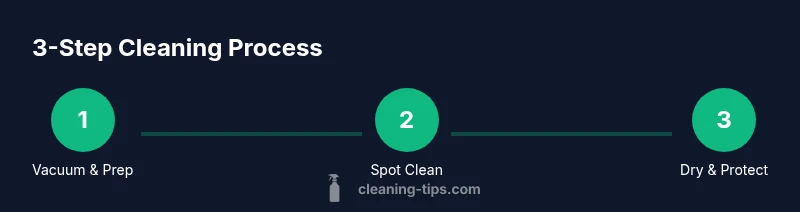
You will learn how to clean material couch safely without damaging upholstery. Gather mild cleaners, a soft brush, a microfiber cloth, and a vacuum with an upholstery attachment. Start by vacuuming loose debris, treat stains, then test a hidden area. Finally blot, air-dry, and repeat as needed for fresh, mildew-free fabric.
How to Clean Material Couch: Quick Context
If you're wondering how to clean material couch without harming fibers, you're in the right place. This guide on how to clean material couch emphasizes fabric-aware care, testing, and patience. The goal is to remove everyday dirt, spills, and odors while preserving color and texture. According to Cleaning Tips, the safest cleaning starts with identifying fabric type and testing a small area before applying cleaners more broadly. By following fabric-specific methods for microfiber, cotton blends, polyester, or linen, you reduce the risk of water rings, fading, or shrinkage. This article covers practical steps, recommended tools, common stains, and best practices to extend the life of your sofa.
Identify Fabric Type and Safe Cleaners
Most common upholstery fabrics fall into a few broad families, each with recommended cleaners. Look for the care tag on your cushions (codes like W, S, WS, or X) and use cleaners appropriate for that code. If there is no tag, start with a mild, pH-neutral solution and always test on an inconspicuous area first. The goal is to avoid harsh solvents, bleach, or high heat, which can fade colors or shrink natural fibers. According to Cleaning Tips, fabric-specific care reduces damage and improves stain removal outcomes.
Prep Your Couch: Vacuum, Brush, and Test
Before applying any cleaner, remove cushions and give the surface a thorough vacuum with an upholstery attachment to lift loose dirt and crumbs. Use a soft brush to loosen embedded fibers, especially in textured fabrics. Perform a patch test on an hidden spot (under a cushion or seam) with your chosen cleaner and wait at least 15 minutes to check for color change or fiber damage. These steps prevent surprises later and keep your furniture looking fresh.
Water-Based Cleaning: Microfiber, Polyester, and Cotton Blends
For water-loving fabrics like microfiber and many polyester blends, mix a small amount of mild dish soap with warm water. Dampen a microfiber cloth and blot the stain gently—don’t scrub, which can push stain deeper. Rinse with a clean, slightly damp cloth to remove soap residue, and blot again to dry. Work from the outside of the stain toward the center to limit spreading. Allow the fabric to air-dry completely before use. This approach is a core part of how to clean material couch using gentle, water-based methods.
Solvent-Based Cleaning: Silk, Velvet, and Certain Delicates
Some fabrics tolerate solvent-based cleaners (often indicated by S or WS on the care tag). Use a fabric-safe solvent in a well-ventilated area, applying to a cloth—not directly to the fabric. Blot gently and work in small sections. Avoid soaking; use minimal solvent and allow the area to dry fully before sitting again. If in doubt, consult the fabric manufacturer’s care instructions. This section covers when and how to apply solvent-based cleaning as part of how to clean material couch safely.
Handling Common Stains: Food, Drink, and Ink
- Food grease: sprinkle baking soda, wait 15 minutes, brush away, then blot with a mild cleaner.
- Coffee and tea: blot, then treat with a water-based cleaner using a light motion toward the edges.
- Ink: apply a small amount of rubbing alcohol to a cloth and blot lightly; test first on a hidden area.
- Dirt and mud: let dry, then brush off and clean with a mild solution; avoid excessive moisture.
When dealing with stains, always start at the outside and work inward to prevent spreading. This is a practical core step in how to clean material couch across common household soils.
Deeper Cleaning: Steam and Professional Options
For fabrics that tolerate moisture, light steam cleaning can refresh fibers and lift embedded soils. Use a fabric-safe steamer and keep the nozzle at a safe distance to avoid saturating the fabric. Velvet or delicate pile fabrics may shed or flatten under steam; if so, skip steam and treat with safer cleaning methods or hire a professional cleaner. Always defer to the care tag before steam cleaning and consider professional services for heavy soiling. This section adds depth to how to clean material couch when deeper cleaning is needed.
Odors and Mildew Prevention
Unpleasant odors usually come from moisture and oils trapped in the fibers. After cleaning, sprinkle baking soda on the surface and leave it for several hours before vacuuming. For persistent smells, a vinegar-water spray (1:3 ratio) can neutralize odor—test first in a hidden area. Ensure the fabric dries completely to prevent mildew and musty odors. This guidance supports long-term freshness for how to clean material couch.
Drying, Reassembly, and Care After Cleaning
Open windows or use a fan to speed up drying; avoid direct sunlight if the fabric is prone to fading. When completely dry, reinsert cushions and test for texture and color. Use a soft brush to restore nap on certain fabrics and apply a fabric protector only if recommended by the manufacturer. These steps help preserve the couch’s look and feel over time.
Routine Maintenance to Extend Fabric Life
Vacuum weekly with an upholstery tool, rotate cushions, and keep pets off furniture during cleaning sessions. Address spills immediately with blotting, not rubbing, and establish a quick stain protocol using a mild cleaner. Consider scheduling a professional cleaning every one to two years for deeper soil and odor control. Regular maintenance prolongs color, texture, and comfort.
Safety Warnings and Best Practices
Always ventilate the room when using cleaners and wear gloves if you have sensitive skin. Never mix cleaners, especially bleach with ammonia or solvent-based products. Test every product in an inconspicuous area and follow the manufacturer’s care guidelines. Avoid soaking the fabric; excessive moisture can lead to warping, mildew, or shrinkage.
Authority Sources
- United States Environmental Protection Agency: https://www.epa.gov/saferchoice
- University Extension resources: https://extension.illinois.edu
- CDC Healthy Homes: https://www.cdc.gov/healthyhomes/index.html
Tools & Materials
- Upholstery vacuum with attachments(Include small nozzle and crevice tool)
- Soft-bristle brush(For brushing fibers before cleaning)
- Microfiber cloths (2-4)(Lint-free, color-fast)
- Spray bottle(For mixing cleaning solutions)
- Mild dish soap(Pure or unscented)
- White vinegar (optional)(For odor control, diluted 1:3)
- Isopropyl alcohol (optional)(For ink stains, test first)
- Baking soda(For deodorizing and mild abrasions)
- Fabric-safe stain remover (optional)(Follow label directions)
- Fan or portable heater (optional)(Assist drying; avoid direct heat)
Steps
Estimated time: 2-6 hours (including drying)
- 1
Identify fabric type and care tag
Check the cushion tag and fiber type. Determine whether the fabric is water-safe (W/WS) or solvent-safe (S/WS) and plan your cleaning approach accordingly. Make a quick plan based on the fabric's tolerance to moisture.
Tip: Always patch test on an inconspicuous spot first. - 2
Vacuum and brush the couch
Remove cushions if possible and vacuum the entire surface with the upholstery attachment to lift dust and particles. Brush gently to loosen fibers, especially on textured fabrics.
Tip: This step prevents pushing dirt deeper during cleaning. - 3
Test cleaner in a hidden area
Apply a small amount of cleaner to a hidden spot and wait for 15 minutes to observe any color change or fiber damage. If there is no adverse effect, proceed with broader cleaning.
Tip: If discoloration occurs, stop and switch to a milder method. - 4
Prepare water-based cleaning solution
For water-tolerant fabrics, mix a tiny drop of mild dish soap in warm water. Dampen a microfiber cloth and wring out excess moisture before use.
Tip: Keep moisture low to avoid soaking the fabric. - 5
Blot stains from outside in
Blot stains gently from the outside toward the center using the damp cloth. Avoid rubbing, which can embed stains deeper.
Tip: Work in small sections for better control. - 6
Rinse and remove soap residue
Wipe treated areas with a clean, damp cloth to remove soap residue. Blot again to dry and prevent water rings.
Tip: Rinse thoroughly to prevent re-soiling from soap residue. - 7
Apply solvent-based cleaner if permitted
If the care tag allows solvents, apply to a cloth and blot the fabric in small areas. Do not spray directly onto the fabric.
Tip: Ventilate the room well during use. - 8
Tackle stubborn stains with repeats
For stubborn marks, repeat the gentle cleaning steps, testing again if needed. Avoid heavy agitation.
Tip: Persistent stains may require professional help. - 9
Deodorize with baking soda and air-dry
Sprinkle baking soda lightly over the surface and let stand for several hours. Vacuum thoroughly; the soda absorbs oils and odors.
Tip: Do not leave soda on too long if fabric is delicate. - 10
Dry thoroughly using fans and ambient air
Use a fan or open windows to speed drying. Do not rush this step; moisture left in the fibers can cause mildew.
Tip: Ensure no cushions remain damp before use. - 11
Reassemble cushions and fluff fibers
Replace cushions once completely dry. Gently fluff the nap with a soft brush to restore texture and comfort.
Tip: A proper reassembly helps maintain shape and support. - 12
Document results and schedule routine care
Note what worked and any stains that remained. Schedule regular maintenance to keep the couch looking new.
Tip: Set a monthly quick clean as a habit.
Questions & Answers
Can I machine wash couch cushions?
Most couch cushions should not be machine washed. Check the cover and insert care labels; if the cover is removable and machine washable, follow the label instructions. For non-removable covers, stick to spot-cleaning and gentle cleaning methods.
Most couch cushions aren’t machine washable. Check the label and wash only if allowed; otherwise use gentle spot-cleaning.
Is steam cleaning safe for fabric couches?
Steam can be safe for certain fabrics when used properly, but never saturate the fabric and always follow the care tag. Delicate materials like velvet or those with special finishes may be damaged by heat.
Steam can be okay for some fabrics if used carefully and not saturated. Check the care tag and avoid delicate materials.
What’s the best cleaner for microfiber?
A mild, water-based cleaner works well for microfiber. Use a microfiber cloth and blot rather than rub, and finish with a dry cloth to lift moisture. Avoid bleach and harsh solvents.
Use a mild water-based cleaner and blot—don’t rub—then dry to protect microfiber.
How long does it take for fabric to dry after cleaning?
Drying times vary by fabric and room conditions, typically several hours up to a day. Improve air flow with fans and avoid closing the room until completely dry.
Drying usually takes several hours to a day; use fans to speed it up and keep the room ventilated.
Can I use vinegar on my couch?
Diluted white vinegar can help deodorize odors. Test on a hidden area first and avoid saturating the fabric. Rinse with a damp cloth after the vinegar treatment.
Diluted vinegar can help with odors, but test first and don’t saturate the fabric.
Watch Video
The Essentials
- Test fabrics before cleaners to prevent damage.
- Blot, don't rub, to protect fibers.
- Ventilate and fully dry the fabric after cleaning.
- Use fabric-appropriate methods for microfiber and delicate textiles.
- Schedule regular maintenance to extend sofa life.