How to Clean Up iPhone Storage: A Complete Guide
Practical steps to clean up iPhone storage: offload unused apps, optimize photos, trim messages, and clear caches. A safe guide from Cleaning Tips to reclaim space and boost performance.


This guide shows you how to clean up iphone storage efficiently. You’ll identify space hogs, offload unused apps, optimize photos and videos, manage messages, and reset cached data where safe. Follow the steps in this article to reclaim storage, improve performance, and avoid losing important files. By the end, you’ll be able to maintain free space with a simple routine.
Why Freeing Space on iPhone Improves Performance
Freeing up storage on an iPhone isn't just about having more room for new apps. When your device runs low on space, iOS can slow down, background processes may lag, and updates can fail. A clean up iphone storage approach keeps system files efficient, reduces app crashes, and improves overall responsiveness. In this guide, Cleaning Tips applies practical, user-friendly methods to reclaim space without compromising data. You’ll learn to distinguish between storage hogs and essential data, and you’ll adopt habits that prevent similar congestion in the future. By taking control of your storage, you can extend the life of your device and enjoy smoother multitasking. Regular maintenance matters, especially in 2026, when apps and media demands grow quickly. Remember: small changes now save you time later, and a well-organized iPhone storage setup reduces anxiety when you need to locate a file fast. The goal is consistent performance with minimal data loss, so you can focus on what matters most.
Prerequisites: What You Need Before You Start
Before you dive into clean up iphone storage, set up a safe plan. Ensure your iPhone is on charge or has at least 50% battery, or perform the steps while connected to power. Update to the latest iOS to access improved space management features. Decide on a backup strategy: use iCloud or a computer backup, so nothing valuable is lost. Gather a couple of hours without heavy interruptions; although the steps can be done in 20-40 minutes, a thorough audit may take longer if you have a large library. If you rely on cloud storage, verify you know login credentials. The Cleaning Tips team recommends confirming that your most important photos, documents, and messages are backed up before you start trimming. This planning stage sets up a smoother clean up iphone storage process and reduces the risk of accidental deletions. You’ll return to a more comfortable storage footprint with confidence.
Quick Audit: Where Storage Is Spent
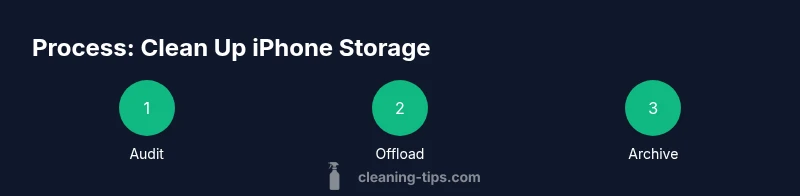
Most iPhone storage goes to a few big categories. Start with apps and their data, then look at photos and videos, followed by messages and attachments, mail, and system data. Use Settings > General > iPhone Storage to see a color-coded breakdown and a list of space hogs. This audit helps you decide whether to offload, delete, or optimize. Keeping a log during this step makes it easier to track what you removed and why. Cleaning Tips notes that a regular audit is part of healthy storage hygiene in 2026.
Freeing Space Strategies: A Balanced Approach
Combine three levers for best results: offload unused apps, delete large files you don’t need, and optimize media. Consider moving photos and videos to the cloud or a computer backup, then enable iPhone Storage recommendations and automatic offloading. Avoid deleting data you might need later by exporting important items first. This balanced approach reduces friction and preserves your memories and work files. Cleaning Tips emphasizes taking a cautious, staged approach to avoid accidental data loss.
Optimizing Photos and Videos: Reducing File Size Without Losing Quality
Photos and videos are the single biggest space consumer on many devices. Turn on iCloud Photos with 'Optimize iPhone Storage' so originals live in the cloud while smaller, device-friendly thumbnails stay on your iPhone. If you don’t use iCloud, consider exporting heavy media to a computer or external drive. Converting to high-efficiency HEIC format for new captures can save space over time. Regularly review large media files and delete duplicates. Cleaning Tips highlights that long-term storage health depends on disciplined media management.
Taming Messages and Attachments
Old conversations accumulate large attachments over time. Set Keep Messages to 30 days or 1 year to minimize accumulation, and delete large attachments from conversations. For important conversations, save essential images or PDFs to Notes or Files before removal. This step dramatically reduces space used by Messages without sacrificing important context. Cleaning Tips suggests performing a quick sweep every few months.
Managing Apps: Offload vs Delete
Offloading apps preserves app data, so you can reinstall later without losing settings. Delete apps you don’t use, but be mindful of data stored within them. If an app is essential, check its internal data size first and consider clearing in-app caches if the option exists. This helps you trim space while keeping access to core functionality. Cleaning Tips notes that a cautious, reversible approach is best.
Clearing Cache and System Data Safely
Safari caches, website data, and app caches can take a noticeable bite out of storage. Clear Safari history and website data, then review per-app caches where available. Do not reset all settings unless you’ve backed up critical data. This step frees space and reduces clutter, but keep a backup plan in case you need to restore preferences. Cleaning Tips reminds readers that cautious cache management is part of responsible device care.
Build a Maintenance Routine for Long-Term Storage Health
Create a monthly or quarterly routine to review storage, offload unused apps, and compress or archive large media. Use reminders to reapply Optimize Storage and iCloud options when appropriate. A simple, repeatable process is more reliable than sporadic cleanups, especially as apps and media continue to grow. The Cleaning Tips team recommends documenting changes to track what works best for your device in 2026.
Tools & Materials
- iPhone (any model)(Charge or keep plugged in during cleanup)
- Latest iOS update(Ensure access to the newest storage tools)
- Backup method (iCloud or computer)(Back up important data before cleaning)
- Stable internet connection(Needed for cloud backups and iCloud Photos)
- Cloud storage plan or computer(Optional for offloading large media)
- Notes or Files app for exports(Archive items you want to keep)
Steps
Estimated time: Total: 30-60 minutes
- 1
Open Storage Overview
Navigate to Settings > General > iPhone Storage and review the space each app and category uses. This initial view identifies top culprits and sets the stage for targeted actions.
Tip: Tap an app to see its documents and data size; start with the biggest offenders. - 2
Offload Unused Apps
Enable Offload Unused Apps or manually offload apps you rarely use. Your data stays on the device, and the app can be reinstalled later if needed.
Tip: Check for apps with large caches that you never use. - 3
Review Photos and Videos
Assess large media files and enable Optimize iPhone Storage or move originals to iCloud or a computer. Local thumbnails remain for quick access.
Tip: Archive precious memories before deleting anything. - 4
Trim Messages Attachments
Delete large attachments from conversations or set Keep Messages to 30 days/1 year. Export critical files to Notes or Files first.
Tip: Back up essential attachments before removal. - 5
Manage Mail and Downloads
Delete unnecessary email attachments and clear downloads that sit in the Mail app or Files app. This reduces hidden storage usage.
Tip: Use search to locate large attachments quickly. - 6
Clear Caches Safely
Clear Safari data and per-app caches where available. Avoid a full reset unless you’ve backed up preferences.
Tip: Always back up before clearing caches that may affect app behavior.
Questions & Answers
How much free space should I aim to leave on my iPhone?
Aiming to keep at least 10-15% of your total storage free helps iOS run smoothly and leaves room for updates. If you frequently run apps that cache data, a larger buffer is preferable.
Try to keep around 10 to 15 percent free, especially if you run many apps that cache data.
Will offloading apps delete my data?
Offloading removes the app itself but preserves its data. When you reinstall the app, your settings and documents reappear if the app supports them.
Offloading keeps app data, so reinstalling brings back your settings.
Is it safe to delete messages attachments to save space?
Yes, you can delete large attachments while keeping the conversation. Consider exporting essential files before removal.
You can delete attachments, but back up important files first.
How can I reduce photos and videos without losing memories?
Use iCloud Photos with 'Optimize iPhone Storage' or transfer originals to a computer. Keep a local archive of the most precious moments.
Store originals in the cloud or on a computer and keep optimized copies on the iPhone.
What about apps that store a lot of data?
Review each app’s data in Settings. If data is large but necessary, consider clearing in-app caches or moving data to cloud storage.
Check app data size and clear caches if needed.
Watch Video
The Essentials
- Back up before cleaning
- Use Offload and Optimize Storage
- Archive large media to cloud or computer
- Review messages and attachments regularly
- Create a maintenance schedule