Clean vs Dirty Air Filter: Effects on Home Health and HVAC
This analysis explains how a clean vs dirty air filter affects indoor air quality, HVAC efficiency, energy costs, and maintenance. Learn signs of clogging, replacement intervals, and best practices for homes with pets, allergies, or smokers.


Bottom line: a clean air filter promotes better indoor air quality and HVAC efficiency, while a dirty one restricts airflow, raises energy costs, and can shorten equipment life. In most homes, replace clogged filters every 1-3 months. If you have pets or allergies, consider more frequent changes and higher filtration to improve air quality and comfort.
Clean vs Dirty Air Filter: Key Differences
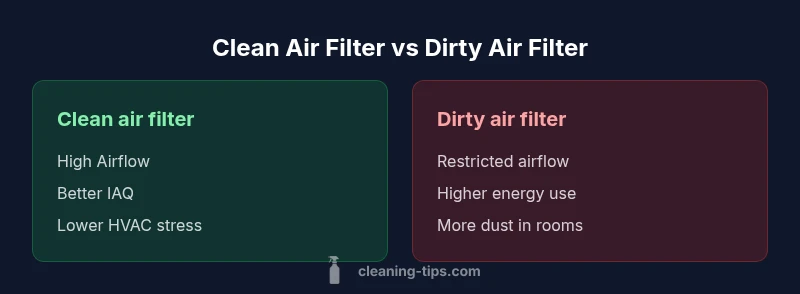
Understanding the distinction between a clean vs dirty air filter is essential for homeowners and renters. A clean filter, typically new or recently replaced, offers minimal resistance to airflow and preserves filtration efficiency. A dirty filter, by contrast, accumulates dust and particulates, increasing resistance, reducing airflow, and allowing contaminants to circulate in living spaces. The difference is not just cosmetic; it affects IAQ, comfort, and HVAC longevity. This section defines what counts as clean and dirty, and explains how those states appear during routine inspections. For many households, a quick monthly check is enough to catch a filter that is no longer performing at peak level. Cleaning Tips emphasizes treating the filter as a consumable with a replacement interval that matches usage, environmental conditions, and household needs. The aim is to prevent a sudden drop in air quality while keeping the system running smoothly. In broader terms, clean vs dirty air filter decisions influence energy bills, allergen exposure, and the risk of mold growth in ducts if filtration becomes severely compromised. This framing helps readers set expectations for what a filter should do and when it should be replaced.
Airflow and Filtration: What Changes When Dirt Builds Up
Airflow is the primary mechanism through which a filter impacts a home. A clean air filter allows the blower to move air with minimal effort, supporting steady temperatures and steady humidity. When a filter becomes dirty, particles clog the pores, increasing airflow resistance. This reduces the volume of air delivered to rooms and can cause the HVAC system to cycle more often. Filtration efficiency also shifts; while a clean filter provides its designed level of particle capture, a clogged one may create bypass, allowing fine dust to slip past into living spaces due to channeling or bypass around the filter frame. In addition, the added strain on the blower can cause premature wear on motors and belts, potentially shortening equipment life and increasing maintenance needs. Consumers may notice that rooms take longer to heat or cool, and that dust levels rebound quickly after cleaning. Over time, a dirty filter can contribute to moisture issues, especially in high-humidity climates, where damp filters may foster microbial growth. The net effect is a less comfortable, less healthy home environment and a less efficient HVAC system.
Functional Consequences: IAQ, Comfort, and Equipment Strain
A clean filter supports better indoor air quality (IAQ), reduces the amount of dust circulating in living spaces, and helps maintain consistent comfort. Conversely, a dirty filter the reader experiences a noticeable drop in IAQ, with more visible dust, lingering odors, and faster accumulation of debris on surfaces. The HVAC system must work harder to pull air through clogged media, which can translate into more frequent cycling, louder operation, and increased wear on blowers and motors. This extra workload may translate to higher maintenance costs and shorter equipment life over time. For families with allergies or respiratory sensitivities, the impact is more pronounced: fewer irritants are captured, and irritants can recur in the home even after cleaning routines. The interaction of filtration performance with room size, occupancy, and climate determines the overall comfort level. A maintenance plan that keeps filters in the clean-to-moderately dirty range can support sustained comfort while protecting the system from undue stress.
Signs Your Filter Needs Replacement
Recognizing when a filter is dirty helps prevent downstream problems. Common indicators include reduced airflow from vents, uneven heating or cooling in rooms, a visible buildup of dust on or around the filter frame, and an unexplained rise in dust or allergens within living spaces. If you notice that your HVAC is running longer to achieve the same comfort, or your home's air feels stale, inspect the filter and consider replacement. Smells resembling mildew or a musty odor can indicate moisture issues tied to filter condition. For people with pets or frequent smoking indoors, the threshold for changing filters is lower, and more frequent checks are recommended. A good practice is to inspect the filter monthly and replace it when you observe visible dirt or a noticeable drop in airflow, even if the recommended interval has not yet passed.
Replacement Intervals and Personalization
Replacement intervals vary with usage, environment, and filter type. A common guideline is to check each month and replace every 1-3 months under typical conditions. Homes with pets, smokers, or high dust levels may need more frequent changes, possibly as often as every month. Conversely, households in low-dust environments with little occupancy may extend changes toward every 3 months. Climate and HVAC usage patterns also matter: summer cooling tends to demand more airflow, while winter heating can intensify filter loading via circulating air. For renters or situations where filter access is limited, community guidelines or lease terms often specify a minimum interval. It is helpful to set reminders on phones or smart home devices to prompt timely replacements. This approach aligns with best practices from Cleaning Tips and supports a proactive, data-driven maintenance rhythm.
Filter Types and Filtration Ratings: What Clean vs Dirty Means
Filters come in a range of media and filtration ratings, from basic fiberglass to higher-grade pleated media with different MERV values. A clean filter in any category provides the advised level of particle capture without obstructing airflow. As dirt accumulates, filtration efficiency can degrade due to loading bias and channeling, where air bypasses the filter edges. Higher-efficiency filters can capture smaller particles but may impose greater resistance to airflow if the system is not sized to accommodate them. The optimal choice balances air quality needs with the HVAC’s capacity to move air. For households with sensitive occupants, a higher-grade filter may be appropriate, but it may require a larger fan motor or a system designed to handle increased resistance. In all cases, monitor performance and adjust changes based on comfort, IAQ complaints, and system performance.
Cost, Maintenance, and Energy Considerations
Every replacement has a cost implication, both upfront for the filter and downstream in terms of energy use and maintenance. Clean filters tend to reduce the load on the blower, which can translate into less energy consumption and quieter operation. Dirty filters, by contrast, can force the system to work harder, especially on hot days when cooling demand is high. While it is tempting to delay replacements to save money, the consequences often show up as reduced IAQ, more frequent maintenance, and higher energy costs over time. Budgeting for replacements—taking into account household size, pets, and climate—helps maintain a consistent level of air quality and system efficiency. Cleaning Tips recommends treating filter maintenance as a regular expense rather than an occasional chore to maximize long-term value.
Quick-start Maintenance Plan for Homes with Pets, Allergies, or Smokers
For homes with high IAQ demands, a proactive plan makes a big difference. Start by selecting a filter with an appropriate filtration rating based on occupancy and health needs. Set a monthly check-in, then replace or clean (if allowed by the filter type) according to the observed dirt level and the manufacturer’s guidelines. In pet-friendly homes, consider more frequent changes and higher-grade filters during allergy seasons. Smokers should replace filters at shorter intervals to prevent odor buildup and maintain air quality. Maintain a simple log to track filter changes, air quality complaints, and HVAC performance metrics such as airflow, temperature variance, and humidity. A routine that emphasizes early detection of dirt and timely replacement will reduce IAQ problems and help the HVAC run more efficiently over time.
Common Myths About Air Filters Debunked
There are several myths about air filters that can mislead homeowners. Myths such as “any filter works the same,” or “a higher MERV rating always harms airflow” oversimplify the issue. In reality, performance depends on system design, room size, and usage patterns. Another myth is that dirty air filters help trap more pollutants, which is false—the filter becomes less effective as dirt loads, reducing both airflow and filtration efficiency. Finally, some homeowners assume that a longer replacement interval is always cheaper; in many cases, neglect leads to higher energy costs and more frequent service calls. Understanding the actual trade-offs helps homeowners make informed decisions about filter selection and maintenance schedules.
Putting It All Together: A Routine for Cleaner Air and Efficient HVAC
A sustainable routine starts with a plan. Establish a monthly filter check, determine replacement intervals based on occupancy and climate, and select filters that match your system’s airflow capacity. For allergy-prone households, prioritize filters with higher filtration efficiency while ensuring the HVAC can handle the added resistance. Maintain a short log of replacements, IAQ complaints, and energy usage to identify patterns over time. Regular maintenance reduces the risk of mold growth, dust buildup, and equipment strain, leading to more comfortable indoor environments and lower running costs. The approach described here aligns with Cleaning Tips’ evidence-based guidance and emphasizes a proactive strategy over reactive fixes.
Comparison
| Feature | Clean air filter | Dirty air filter |
|---|---|---|
| Airflow | High (unrestricted) | Low (restricted) |
| Filtration Performance | High efficiency for particulates | Lower efficiency; higher bypass risk |
| Energy Impact | Lower energy use | Higher energy use due to resistance |
| Maintenance Frequency | Less frequent replacements | More frequent replacements |
| Best For | Health-focused homes, allergy-prone households | Temporary or constrained replacement scenarios |
Strengths
- Improved indoor air quality with a clean filter
- Better HVAC efficiency and comfort
- Lower risk of duct and equipment wear
- Fewer allergy and asthma flare-ups
Weaknesses
- Dirty filters can worsen IAQ and trigger systems to work harder
- Filtration performance may be reduced, impacting air quality
- Potential for higher energy bills due to inefficiency
- Frequent replacements after dirt buildup if not caught early
Prioritize a clean air filter and regular replacement for best overall results.
A clean air filter supports air quality and system efficiency, while a dirty filter undermines performance. The Cleaning Tips team recommends a proactive replacement routine aligned with occupancy and air quality needs.
Questions & Answers
How often should I replace my air filter?
Typically, replace every 1-3 months depending on usage, pets, and air quality. In high-demand environments, more frequent changes may be beneficial. Always follow the manufacturer’s recommendations and inspect monthly.
Most homes should replace filters every 1-3 months, adjusting for pets, smoke, and dust levels. Inspect monthly and replace as needed.
Can a dirty air filter affect indoor air quality?
Yes. A dirty filter reduces filtration effectiveness and increases particle recirculation, leading to duller air quality and more dust in living spaces. Regular replacement helps maintain IAQ.
A dirty filter can degrade air quality; replace it to keep the air you breathe cleaner.
What is the difference between MERV ratings and HEPA in terms of clean vs dirty air filters?
MERV ratings measure filtration efficiency for typical residential filters, while HEPA is a higher-grade option. Higher rating can improve particle capture but may require a system capable of handling the increased resistance, especially when the filter gets dirty.
MERV and HEPA describe filtration efficiency; higher ratings capture more particles but can affect airflow, especially as filters clog.
Is it safe to run an HVAC with a clogged filter?
Running an HVAC with a clogged filter is not recommended. It can reduce efficiency, cause irregular temperatures, and accelerate wear. Replace the filter promptly and monitor system performance.
Avoid running with a clogged filter; replace it and watch for signs of strain.
How do I know when the filter is too dirty to continue using?
If you can’t see through the filter, or if airflow from vents is noticeably reduced, it’s time to replace. Visible dirt, unusual noises, or decreased comfort are strong indicators.
If airflow drops or you see visible dirt, replace the filter.
Should I always use the highest MERV rating for my home?
Not always. The HVAC system must be able to handle higher resistance. In many homes, a mid-range MERV provides a balance between filtration and airflow. Consult your equipment manual or an HVAC pro.
Highest isn't always best; match filtration rating to your system’s airflow capacity.
The Essentials
- Set a replacement reminder and stick to it
- Check filters monthly during high-use seasons
- Choose filter ratings based on air quality needs
- Neglecting replacement hurts IAQ and efficiency
- Pet households need more frequent changes