How to Clean with Affresh: A Practical Appliance Guide
Learn how to clean with Affresh to remove buildup and odors from dishwashers and washing machines. Step-by-step instructions, safety tips, and best practices for a healthier home.


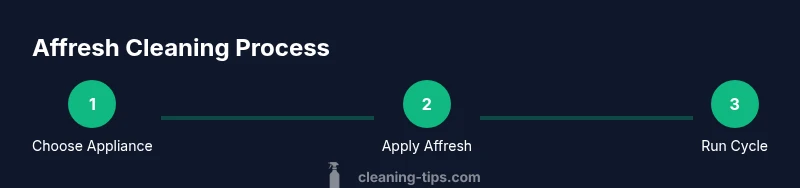
Use Affresh to remove buildup in dishwashers and some washing machines by running a dedicated cleaning cycle with the recommended tablet or liquid cleaner. This guide covers when to use Affresh, how to sequence cycles, and safety tips to protect your appliances and your home. Follow package directions for best results and avoid mixing with bleach.
Why clean with Affresh matters
According to Cleaning Tips, regular maintenance using Affresh helps prevent mineral buildup, odors, and efficiency declines in dishwashers and washing machines. An effective cleaning routine preserves appliance performance, extends service life, and can reduce energy usage and water waste. Over time, residue can form in hard-to-reach areas like spray arms, seals, and drum edges; Affresh targets these zones with its formulary action. The Cleaning Tips team found that a consistent monthly cleaning cycle aligns with typical home usage and can help maintain appliance hygiene in 2026. When used correctly, Affresh complements daily cleaning habits and reduces the need for aggressive scrubbing. This article focuses on practical, evidence-based practices you can implement this week to keep appliances clean and fresh, in plain terms homeowners and renters can follow.
What Affresh is and how it works
Affresh is a cleaning product line designed to address mineral buildup, soap scum, and lingering odors in common household appliances. The dishwasher cleaner targets hard-water residues on interior surfaces, while the washing machine cleaner focuses on detergent residue and mold-prone areas such as gaskets and drums. The active ingredients work by breaking down mineral deposits and debris that accumulate when water heats and cycles, allowing them to be flushed away during a cleaning cycle. Because Affresh is designed to be used without scrubbing, it removes the heavy lifting from routine maintenance. The product is manufactured with consumer safety in mind, and it is intended for use according to the package instructions. For best results, use the correct variant for your appliance and avoid mixing with other cleaners.
Choosing the right Affresh product for your appliance
Every appliance benefits from a tailored clean. Use Affresh Dishwasher Cleaner for dishwashers and Affresh Washing Machine Cleaner for front-load and top-load washers. In some cases, appliances with stubborn buildup or odor may require a second treatment cycle. Always confirm compatibility with your model and consult the user manual if you are unsure. If you have a garbage disposal or other appliances, consider whether Affresh makes a disposal cleaner option, and follow the manufacturer recommendations. Consistency matters: plan a routine that fits your usage pattern and household water hardness.
Safety and compatibility: what Affresh can and cannot do
While Affresh is designed to be safe for typical household appliances, there are important safety notes. Do not mix Affresh with chlorine bleach, ammonia, or other cleaners; reactions can release fumes or reduce effectiveness. Read the label for dosage and cycle recommendations, and never exceed the stated amount. If your appliance has a sealed or specialized interior (like a high-efficiency system or venting), check the manufacturer’s guidance before use. For septic systems, consider whether your household water chemistry is compatible; when in doubt, contact a professional. Always unplug and allow components to cool before handling parts after a cycle.
How to plan a cleaning schedule using Affresh
Develop a simple calendar to keep appliances clean without overdoing it. Most households benefit from a monthly or quarterly Affresh cycle, depending on usage frequency and water hardness. If you notice odor, residue, or reduced efficiency, schedule an immediate cleaning and reassess your routine. After cleaning, wipe dry interior surfaces to prevent moisture-related mold growth and leave doors/windows slightly ajar to promote airflow. Combining Affresh cycles with regular wipe-downs and gasket inspection yields the best results.
Common mistakes and how to avoid them
Common mistakes include using cleaning cycles too frequently, which can unnecessarily wear seals, or using the wrong product in a given appliance. Another pitfall is skipping pre-cleaning steps like removing visible debris or wiping seals; targeted prep reduces residue. Do not mix with vinegar, baking soda, or other cleaners without verifying compatibility; some combinations can create unexpected reactions. Finally, neglecting to run a final rinse cycle or drying step can leave a faint smell. By avoiding these missteps, you ensure a thorough, safe clean.
Pairing Affresh with other cleaning habits and DIY alternatives
Affresh works best as part of a broader cleaning routine. Pair it with periodic wipe-downs of seals and spray arms, and use a microfiber cloth to remove loosened residue after a cycle. If you enjoy DIY options, you may consider vinegar-baking-soda hacks for routine maintenance in non-electronic areas, but avoid mixing with the Affresh cycle inside appliances. For hard-to-clean areas, a soft brush can help dislodge buildup before the cycle runs.
How to tell when it’s working: signs of clean appliances
After a cleaning cycle, you should notice a cleaner interior, less odor, and improved performance. In dishwashers, look for clearer glassware, reduced streaks, and better draining. In washing machines, monitor for thorough rinses and absence of musty smells. If issues persist after one or two cycles, reassess the situation and consult the appliance manual or Cleaning Tips guidance.
Tools & Materials
- Affresh Dishwasher Cleaner(Follow package directions; use one tablet per cycle; do not place tablet in detergent dispenser.)
- Affresh Washing Machine Cleaner(Use for front-load or top-load washers; run an empty cycle as instructed.)
- Warm water(For pre-wiping surfaces or rinsing cloths after cycles.)
- Soft microfiber cloth(For wiping seals, gaskets, and drum interior after cycles.)
- Gloves(Protect hands when handling cleaners or hot appliance surfaces.)
- Measuring cup (optional)(Use if you’re using liquid Affresh or measuring for non-standard dosages.)
Steps
Estimated time: 25-40 minutes
- 1
Prepare the appliance and materials
Remove racks or movable parts from the dishwasher interior to give clear access. Check that the door seal is intact and there’s no standing water. Read the product label to confirm which Affresh variant you are using and note any model-specific guidance.
Tip: Have a microfiber cloth ready for quick wipe-down after the cycle. - 2
Position the Affresh product correctly
For dishwashers, place the Affresh tablet in the dishwasher tub or detergent area as directed on the label. For washers, place the tablet inside the drum away from any loading doors or gaskets. Do not mix with other cleaners in the same cycle.
Tip: Avoid placing the tablet directly in the spray arms or vents to prevent jammed flow. - 3
Run a full cleaning cycle
Select a normal or heavy cycle with hot water. Do not add extra detergent. Let the cycle complete fully so residues can loosen and flush away. Do not interrupt the cycle once started.
Tip: If your machine allows, choose the longest hot-water cycle for best results. - 4
Cool and wipe interior
Allow the appliance to cool for about 15–30 minutes after the cycle. Wipe the interior, seals, and door edges with a damp microfiber cloth to remove loosened residue and moisture.
Tip: Check the door gasket for any signs of wear or damage during this wipe-down. - 5
Rinse or re-run if needed
If you still notice odor or residue, run a second rinse or light cleaning cycle following the same guidelines. A second pass helps ensure complete removal of buildup.
Tip: Always air-dry the interior after the final cycle to prevent mold growth. - 6
Reassemble and finalize
Reinsert racks and run a quick dry or rinse cycle with plain water if your appliance supports it. Close the door and wipe any exterior surfaces to restore a fresh look.
Tip: Keep the interior door slightly ajar for a short period after drying to promote airflow.
Questions & Answers
Is Affresh safe for all dishwasher and washing machine materials?
Affresh is designed for standard dishwashers and washers and is generally safe when used as directed. Always check your appliance manual and the product label for model-specific guidance.
Affresh is generally safe when used as directed, but always check your appliance manual for compatibility.
How often should I run Affresh to maintain appliances?
Most households benefit from a monthly or quarterly cycle, depending on usage and water hardness. If you notice odor or residue, adjust the frequency accordingly.
Most people run it monthly or quarterly depending on use and water hardness.
Can Affresh be used with hard water or septic systems?
Affresh is designed to work with typical hard water; for septic systems, follow local guidance and your plumber’s recommendations.
Affresh generally works with hard water; for septic systems, consult a professional.
Can I use vinegar or other cleaners with Affresh?
Do not mix Affresh with vinegar, bleach, ammonia, or other cleaners. Use Affresh on its own per label instructions to avoid chemical reactions.
Don’t mix Affresh with other cleaners.
Will Affresh fix a persistent odor in my dishwasher or washer?
Affresh can reduce odors by removing buildup, but persistent smells may indicate deeper issues such as mold or seals needing inspection.
It can help, but persistent odors may require deeper checks.
Is Affresh suitable for all washing machines, including high-efficiency models?
Affresh formulations are designed for standard washers; always verify label compatibility with high-efficiency models before use.
Check the label to confirm HE compatibility.
Watch Video
The Essentials
- Choose the right Affresh variant for your appliance.
- Follow package directions for dosage and cycle length.
- Never mix Affresh with other cleaners or chemicals.
- Incorporate regular Affresh cycles to reduce buildup and odors.