How to Grill Clean: A Practical Step-by-Step Guide
Learn a safe, step-by-step method to grill clean, covering gas and charcoal grills, grease removal, burner care, and exterior upkeep to protect flavor and extend grill life.


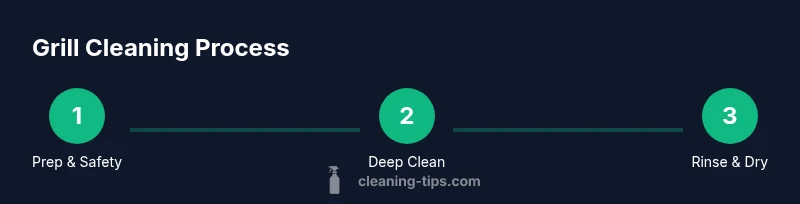
To achieve a thorough grill clean, follow a 90-minute routine that covers pre-clean prep, scrubbing, and maintenance. Start with a cool grill, disconnect gas or unplug electronics, and gather simple tools. According to Cleaning Tips, regular, methodical cleaning protects flavor, prevents buildup, and extends grill life. This guide explains steps for gas and charcoal grills, plus safety tips you can follow right away.
Why grill cleanliness matters
A clean grill is essential for safe, flavorful cooking and longer equipment life. When grease and carbon build up, heat can become uneven, flare-ups increase, and food can taste off. Regular grill clean helps prevent rust and extends the life of burners, grates, and body panels. The term grill clean isn’t just about appearance; it’s a health and performance practice that protects your family and your wallet. Cleaning Tips recommends a routine that combines quick daily wipe-downs with deeper cleanings every few weeks, depending on usage and weather.
Assessing your grill type before you start
Not all grills clean the same way. Gas grills with sealed burners require careful burner cap handling, heat plates, and trap doors so you don’t damage safety systems. Charcoal grills emphasize ash removal and grate exposure to heat. Before you begin, identify your grill type, verify cool-down time, and read the owner’s manual for any cautions. This prep step saves you from accidentally loosening screws, brittle enamel, or ruined ignition components. If you’re unsure, consult Cleaning Tips for general best practices.
Safety first: prep, gloves, and venting
Safety is non-negotiable when you grill clean. Put the grill on a stable surface away from structures. Wear heat-resistant gloves, eye protection, and old clothes that you don’t mind staining. Open the lid only after the grill has cooled fully to prevent burns and flare-ups. Ventilate your workspace if you’re using stronger cleaners, and keep a fire extinguisher within reach just in case.
Tools and materials you’ll need
Equip yourself with a grill brush, scraper, warm soapy water, microfiber cloths, and a non-abrasive sponge. Optional items include baking soda, white vinegar, and a degreaser spray. For gas grills, keep a set of pliers and a flashlight to inspect burners; for charcoal, have a metal tray to collect ash. Having the right tools speeds cleanup and reduces damage to porcelain-coated surfaces.
Step-by-step: gas grill basics
To clean a gas grill effectively, start by ensuring all gas lines are disconnected and the propane tank is removed. Remove grates and heat shields to access every surface. Brush loose debris, then scrub with warm, soapy water. Rinse with a spray bottle, wipe dry with a towel, and inspect burners for clogs. If you encounter stubborn residue, create a paste with baking soda and water, apply, and scrub gently. Reassemble and perform a test burn to ensure proper airflow.
Step-by-step: charcoal grill differences
Charcoal grills rely on ash management and exposed grill surfaces. After cooling, remove the grate and ash pan; dispose of ashes safely in a metal container. Brush grates with a nylon brush, then wash with soapy water. Clean interior walls with a damp cloth, avoiding harsh chemicals that could alter the flavor of future cooks. Replace the ash tray, reassemble, and perform a quick burn to dry surfaces.
Cleaning the grates, burners, and heat shields
Grates should be scrubbed until free of baked-on residue; use a paste of baking soda and water for stubborn spots. Burners on gas grills require careful attention: wipe the exterior, check for loose connections, and remove any blockages from burner holes with a wooden skewer. Heat shields or flame tamers should be cleaned with a damp cloth; avoid soaking metal parts that hold seals. Dry everything thoroughly.
Interior and exterior cleaning: hood, lid, panels
The hood interior often hides grease paths; wipe with warm, soapy cloth, then rinse to remove soap residue. For exterior panels, use a non-abrasive cleaner and a microfiber cloth to avoid scratches. Stainless steel surfaces benefit from a final buff with a dry microfiber to remove fingerprints and water spots. If you notice rust, treat promptly with a gentle rust remover or food-safe solution.
Dealing with stubborn grime, rust, or odors
For stubborn grime, apply a baking soda paste and let sit for 10-15 minutes before scrubbing. Light rust on grates can be scrubbed with a baking soda paste or a gentle rust remover; replace severely corroded parts if needed. Neutralize odors with a white vinegar spray, then rinse and dry completely to prevent lingering smells.
Maintenance routine to keep grills pristine
Create a weekly quick wipe-down after use, a monthly full purge, and a quarterly deep clean for heavily used grills. Record when you replaced parts or cleaned burners. Use a simple checklist to stay consistent and note any areas that repeatedly collect grease. A regular maintenance routine keeps your grill ready for outdoor cooking season.
Eco-friendly cleaners and safe substitutions
Use simple, non-toxic cleaners like warm water, dish soap, baking soda, and white vinegar. Avoid harsh solvents that can leave residues and affect food safety. For degreasing, apply a diluted vinegar solution, let sit, then scrub and rinse. Always test on a small area first and ventilate well when using cleaners.
Final checks: test burn, reseason, and storage
Before your next cook, perform a short burn to confirm clean airflow and even heat. Re-season cast-iron grates if used, and apply a light coat of cooking oil to prevent rust. Store the grill with lids closed to avoid dust buildup, and cover it to protect from weather.
Tools & Materials
- Gloves (heat-resistant)(Silicone or heavy cotton, avoid bare hands)
- Grill brush (stiff nylon or brass bristles)(Brass bristles safer for non-stick surfaces)
- Scraper or putty knife(Plastic preferred for enamel)
- Bucket or basin with warm, soapy water(Dish soap + warm water)
- Non-abrasive sponge or cloth(Avoid scratching surfaces)
- Baking soda(For stubborn grime)
- White vinegar(De-greasing and sanitizing)
- Old towels or microfiber cloths(For drying and buffing)
- Optional degreaser spray(Follow label instructions)
- Gas grill tool kit or pliers(For burner caps or heat plates)
- Aluminum foil(Heat shields or quick scrapes)
- Water spray bottle(Mist for soot and loosen grime)
Steps
Estimated time: Total time: 1.5–2 hours
- 1
Safety prep and workspace
Ensure a safe, stable workspace and turn off all power sources. Move the grill away from walls, disconnect gas lines or turn off electric ignition, and let the grill cool completely before you touch any parts. Wearing gloves reduces burn risk when handling hot components.
Tip: Double-check that gas is fully off before starting to prevent flare-ups. - 2
Remove and inspect detachable parts
Take out grates, heat tents, and flavorizer bars (or heat shields) to access interior surfaces. Inspect for corrosion, warping, or loose parts that may need replacement before you scrub.
Tip: If you see significant corrosion, consider replacing parts rather than forcing a repair. - 3
Initial brushing and scrubbing
Brush loose debris from grates and interior surfaces with a stiff nylon brush. Scrape stubborn spots with a plastic scraper and wipe with a damp cloth. Rinse with soapy water and repeat as needed for heavy grease.
Tip: Avoid metal bristles on porcelain-coated surfaces to prevent damage. - 4
Tackle stubborn grime with mild cleaners
For stuck-on grime, apply a baking soda paste or diluted vinegar solution, let sit briefly, then scrub and rinse. Avoid harsh solvents on enamel or sealed parts.
Tip: Test cleaner on a small area first to prevent discoloration. - 5
Clean burners and flame tamers
Wipe exteriors of burners, check for clogs, and clear small holes with a wooden tool. Be gentle to avoid bending delicate components. Dry thoroughly before reassembly.
Tip: Do not soak burner components; moisture can cause malfunction. - 6
Rinse, dry, and reassemble
Rinse all cleaned parts with clean water, dry completely, and reassemble in the reverse order. Reconnect gas lines or restore power only after everything is dry.
Tip: A dry reassembly prevents rust and ensures proper airflow. - 7
Exterior cleaning and final polish
Wipe exterior panels with a non-abrasive cleaner. Buff stainless surfaces with a dry microfiber to remove smudges and fingerprints.
Tip: Keep a dedicated cloth for metal surfaces to avoid cross-contamination. - 8
Test burn and check airflow
Light the grill and run a short test burn to verify even heat and clean airflow. Observe for any unusual smells or smoke patterns that indicate issues.
Tip: If you notice uneven flame or odor, inspect seals and gaskets for leaks. - 9
Season and store
Lightly oil grates and heat to season after cleaning, then store with lid closed and a cover when not in use.
Tip: Seasoning helps prevent rust and reduces food sticking.
Questions & Answers
How often should I clean my grill?
A quick wipe-down after each use and a deeper clean every 1–2 weeks during heavy use keeps grease from building up and protects performance. Schedule a full clean at least once per season.
Wipe after cooking, deep clean every couple of weeks during busy seasons, and do a full clean at the start of every season.
Is vinegar safe to use for grill cleaning?
White vinegar is generally safe for degreasing and sanitizing surfaces. Avoid soaking electrical parts or sealed burners, and rinse well after use.
Yes, vinegar can be used for routine cleaning, but avoid soaking electrical components and rinse thoroughly.
Is it safe to clean a hot grill?
No. Always wait until the grill is completely cool before cleaning to prevent burns and fire hazards.
Never clean a hot grill; let it cool completely first.
How do I remove rust from a grill grate?
Light rust can be treated with a baking soda paste or a gentle rust remover. If rust is severe, replace the grate to maintain safety and performance.
Gently scrub light rust with baking soda paste; replace badly rusted parts.
How do I clean burners safely?
Turn off gas and disconnect power. Do not soak burners; wipe with a damp cloth and use a wooden tool to clear small holes.
Turn off gas, avoid soaking, and use a wooden tool to clear burner holes.
Should I season grates after cleaning?
Yes. After drying, coat grates with a light layer of oil and heat to season, which helps prevent sticking and rust.
Seasoning after cleaning helps keep food from sticking and reduces rust.
Watch Video
The Essentials
- Clean grills regularly to maintain flavor and safety
- Choose the right tools to protect grates
- Preheat and scrub to loosen grime for easier cleaning
- Rinse, dry, and reseason grates after cleaning
- Maintain a simple, repeatable cleaning schedule