HEPA Filter Vacuum Clean: A Practical Guide to Better Indoor Air
A practical guide to selecting, using, and maintaining a HEPA-filter vacuum for healthier indoor air. Learn how to verify true HEPA systems, replace filters, and optimize performance across floors.


Learn how to properly select, use, and maintain a hepa filter vacuum clean to improve indoor air quality. This guide covers essential criteria for choosing a true HEPA vacuum, how to verify a sealed system, safe operation practices, and simple maintenance routines that keep filtration effective and your home healthier.
Understanding HEPA: What it is and why it matters
A HEPA filter is designed to capture tiny particles as air passes through the vacuum system. When you pursue a hepa filter vacuum clean, you’re aiming for a sealed airflow path that prevents unfiltered air from leaking around the filter. According to Cleaning Tips, the most effective units use a true HEPA filter within a sealed system to minimize allergen escape. For many households, this means fewer irritants in the living space and a clearer path to healthier indoor air. HEPA filters trap dust, pollen, pet dander, and other fine particles by forcing air through a dense fiber matrix. Not every vacuum can claim true HEPA performance, but models with a documented sealed system are more reliable for thorough filtration. In practice, you’ll notice stronger airflow, steadier suction, and less visible dust escaping into the room as you clean. Understanding the limitations helps you set realistic expectations: a HEPA filter does not eliminate all odors, and performance depends on the overall vacuum design, maintenance, and how you use it.
How to pick a HEPA filter vacuum clean
Selecting a hepa filter vacuum clean means checking several core features that influence real-world performance:
- True HEPA and sealed system: Look for models that explicitly state True HEPA and ensure the air path is sealed against leaks.
- Filter accessibility and replacement: The filter should be easy to remove, inspect, and replace; availability of replacement filters matters.
- Attachments and surface tools: A good set of tools helps you tailor suction for carpets, hard floors, upholstery, and stairs.
- Maintenance-friendly design: Easy cleaning of the pre-filter and dust canister extends life and sustains suction.
- Battery or cord practicality: If portable, consider run time; if corded, length and storage matter for reach.
- Noise and energy use: Choose a balance between performance and comfort for extended cleaning sessions.
If you’re unsure which model to trust, start with reputable brands and read independent reviews to verify performance across common household tasks.
Important features to look for in a HEPA vacuum
Here are the highlights:
- Sealed air path: The safest way to maintain filtration is a machine that seals the intake from the exhaust.
- True HEPA inside: A genuine HEPA filter is rated to capture very small particles. Some vacuums use HEPA-like systems; compare with true HEPA data.
- Filter stage visibility: A clear window or easy inspection helps you know when to clean or replace.
- Pre-filter and post-filter design: Pre-filters catch large debris, protecting the main HEPA stage.
- Easy access for maintenance: Tool-free filter removal, simple wipe-down of the housing, and straightforward reassembly save time.
- Attachments and floor controls: Tools for stairs, upholstery, and dusting make the most of filtration on different surfaces.
- Indicators and alarms: A filter-change indicator helps you avoid running a dirty filter.
Note: replacements should be compatible with your model and come from the original manufacturer or a trusted supplier.
Maintenance and replacement routines
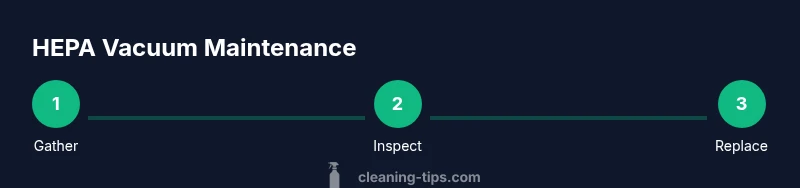
Regular upkeep is essential to keep a hepa filter vacuum clean effective. Start by inspecting the filter and housing after each deep clean; if you see visible debris, remove it carefully and wipe the area with a microfiber cloth. For bagged vacuums, replace the bag and check the HEPA cartridge; for bagless models, empty the canister and inspect the post-motor filter. Keep spare filters on hand to minimize downtime. Store the vacuum in a dry place to prevent mold and humidity from affecting the filter media. When replacing, ensure the orientation matches the original setup; damaged gaskets or crooked seals reduce filtration efficiency. If the unit is folding or has unusual rattling, stop and consult the manual before continuing.
Using a HEPA vacuum safely around allergens and moisture
Maximizing safety means using the vacuum with dry dust only; moisture can damage filters and encourage mold. If you live in a humid home, run a dehumidifier or air conditioner to keep humidity down before vacuuming. Always unplug before maintenance. Keep children and pets away while you service the unit. Use the appropriate attachments on each surface: hard floors benefit from a wide nozzle; carpets from a motorized brush; upholstery from a smaller tool. Before you vacuum, pick up obvious debris to reduce strain on the motor, and avoid leaving the vacuum running with a full canister. Finally, dispose of used filters promptly in a sealed bag to prevent dust re-release.
Comparing HEPA vacuum cleaning with other filtration systems
Compared with standard vacuums, HEPA-filtered units generally offer better protection against airborne particles, especially for allergy sufferers. Bagless vacuums save on replacement bags but rely more on filter integrity; bagged designs can trap dust more effectively, but require replacement bags and filters. Some models rely on HEPA-like filtration that may not meet strict standards; be sure to verify certification. For households with pets, look for higher-efficiency pre-filters and robust thresholds for pet hair. For those with limited storage or budget, consider compact models with proven sealed systems and replaceable filters rather than cheap, non-sealed units. Consider also the noise and energy profile as part of your overall cleaning plan.
Common mistakes and how to avoid them
Skipping the sealed-system check can let dirty air pass by the filter. Reusing old or damaged filters past their effective life reduces filtration efficiency and can cause overworked motors. Cleaning filters with water or heat can cause distortion; always follow the manufacturer’s guidance for drying times. Failing to change pre-filters or to wash housing surfaces allows debris to bypass the HEPA stage. Finally, assuming the vacuum is ready for all tasks without adjusting attachments can limit performance and increase particle recirculation.
Cleaning tips for different floor types and messes
Begin with a quick surface dusting using a microfiber cloth, then switch to the HEPA vacuum clean for deeper removal. For hard floors, attach a wide nozzle and run slow, steady passes to maximize extraction of fine dust. On carpets, use a motorized brush to lift fibers and capture embedded particles. When dealing with pet hair, the upholstery tool can dramatically reduce hair cling; remember to clean the tool head afterward. Always empty the canister or replace the bag before it reaches full capacity to preserve suction. Finally, avoid switching seamlessly between very different surfaces without adjusting attachment, as that can cause dust to be re-emitted.
Tools & Materials
- HEPA-filter vacuum cleaner(Model with sealed system and accessible filter compartment)
- Replacement HEPA filter(Ensure compatibility with your vacuum model; true HEPA preferred)
- Microfiber cloths(For exterior wipe-downs and pre-filter cleaning)
- Screwdriver (Phillips head #2)(Optional for some models' access panels)
- Gloves(Protect hands during maintenance)
- Soft brush attachment(Removes dust without damaging filter)
Steps
Estimated time: 60-90 minutes
- 1
Gather materials and prep space
Collect your vacuum, replacement filter, towels, and tools in a dry, well-lit area. Clear surrounding clutter and unplug the unit before starting. This minimizes surprises and keeps you safe as you disassemble components.
Tip: Have a trash bag ready for old debris and a notebook to note filter type and replacement schedule - 2
Locate the HEPA filter and verify model
Open the vacuum’s access panel to locate the pre-motor and post-motor filters. Check the model number on the filter and match it to a genuine replacement.
Tip: If you’re unsure, consult the user manual or the manufacturer’s site for compatibility - 3
Remove the old filter
Carefully remove the old HEPA filter, avoiding disturbing settled dust. Place it in a sealed bag to prevent releasing dust into the room.
Tip: Note the orientation of the filter so you can install the new one correctly - 4
Clean the housing and pre-filter
Wipe the filter housing with a damp microfiber cloth and brush away loose debris from the pre-filter. Let the area dry before inserting a new filter.
Tip: Do not use wet filters or submerge electrical components - 5
Install the new filter and reassemble
Insert the new HEPA filter in the correct orientation, reattach any housings, and ensure seals are tight. Reconnect the vacuum to power and secure all covers.
Tip: Run a quick test with no load to ensure air is flowing freely - 6
Test run and monitor performance
Turn on the vacuum and listen for unusual sounds or reduced suction. Check for dust leakage around seals and address any gaps promptly.
Tip: If suction drops noticeably, recheck seals and consider replacing both pre-filter and HEPA stage
Questions & Answers
What does HEPA stand for?
HEPA stands for High-Efficiency Particulate Air. It describes a filter designed to capture very small particles from the air stream.
HEPA stands for High-Efficiency Particulate Air and refers to a filter that captures very small particles.
Are all HEPA filters the same?
No. True HEPA filters meet strict standards and create a sealed path for air. Some filters marketed as HEPA-like or HEPA-type may not meet the same standards.
No; true HEPA means strict standards, while HEPA-like might not meet them.
Can I use a HEPA vacuum on carpet and hard floors?
In most cases, a HEPA vacuum designed for multi-surface cleaning works well on both carpets and hard floors. Use appropriate attachments for each surface.
Usually yes, just use the right attachment for each surface.
How often should I replace the HEPA filter?
Replace according to the manufacturer's guidance and your use. Generally, check the filter when you notice reduced suction or after several months of use.
Check the filter when suction drops or after several months of use.
Is it safe to vacuum damp areas with a HEPA vacuum?
Avoid vacuuming damp or wet surfaces unless the vacuum is designed for wet use. Moisture can damage the filter and electrical components.
Don’t vacuum moisture unless the unit is rated for wet use.
Do HEPA vacuums cost more to maintain?
HEPA systems may cost more upfront, but regular maintenance can extend filter life and improve indoor air quality.
Upfront cost can be higher, but maintenance pays off with better filtration.
Watch Video
The Essentials
- Choose a true HEPA, sealed-system vacuum for best results
- Replace filters on schedule and avoid reusing old filters
- Clean the housing and attachments to maintain airflow
- Test performance after maintenance to confirm suction and filtration
- Follow safety guidelines to protect indoor air quality