How to Clean a Water Cooler: Practical Guide for 2026
A thorough, step-by-step guide to safely clean your water cooler, protect water quality, and extend appliance life for homes and offices. Includes tools, steps, tips, and sources.


Learn how to clean a water cooler safely and effectively to protect your drinking water and extend the appliance’s life. This quick guide covers essential supplies, removing the bottle, cleaning reservoirs and taps, sanitizing, rinsing, and reassembly. Follow these steps for a healthier, fresher water experience. It emphasizes safety, common-sense maintenance, and budget-friendly options.
Why cleaning a water cooler matters
According to Cleaning Tips, regular cleaning of a water cooler helps prevent mineral buildup and bacterial growth. This supports healthier drinking water and preserves the unit for longer use. When you establish a routine, you minimize contamination risks and maintain pleasant taste and odor for daily hydration. A well cleaned cooler also protects seals and interior plastics, reducing the chance of leaks or malfunctions over time. Regular care is a small investment that yields big returns for family health and appliance longevity.
In homes and offices, a clean water cooler signals sanitation and reliability. By prioritizing routine cleaning, you reduce the chance of biofilm formation and keep the dispensing area free of grime. The result is a fresher water experience for everyone who uses the machine, from kids to guests. Consistency matters; a simple monthly or quarterly plan keeps performance steady and makes maintenance predictable.
Beyond hygiene, cleanliness contributes to device efficiency. Clean reservoirs and taps promote smoother operation and minimize clogging from mineral deposits. When you plan ahead, you’ll avoid emergency service calls and preserve the cooler’s resale value. A clean cooler also reduces the effort required during a full sanitizing cycle, saving you time in the long run.
Safety and hygiene baseline
Safety and hygiene form the foundation of any cleaning routine for a water cooler. Start by unplugging the unit if it has electrical components and removing the bottle from the top. Place the cooler on a stable surface away from children and pets, and wear gloves if you have sensitive skin. Work in a well-ventilated area when using sanitizers, and always follow the label directions for any chemical you apply. Keep cleaners separate from food areas and wash hands after handling any cleaning agents.
Before you begin, drain standing water and set aside removable parts such as taps and drip trays. Never mix cleaning agents as this can release dangerous gases. After you finish, rinse thoroughly until the area smells clean and tastes neutral. If you notice cracks in seals or obvious damage, stop and inspect the unit before resuming cleaning. Safety first protects both people and the appliance.
Maintaining good hygiene also means cleaning accessories like bottle caps and lids regularly. A quick wipe with clean water and soap prevents buildup and reduces contamination risks. When in doubt, consult the manufacturer’s manual and the external sources listed in our authority section for model specific steps.
Tools and materials you will need
Gather these items before you start to ensure a smooth cleaning process. Essential items are marked with an asterisk.
- Mild dish soap for gentle cleaning *
- Distilled white vinegar as a natural cleaner *
- Unscented household bleach for sanitizing (follow label) *
- Soft microfiber cloths for wiping surfaces *
- Bottle brush with a long handle to reach inside reservoirs *
- Bucket or basin for mixing and rinsing *
- Rubber gloves to protect skin
- Clean drinking water for rinsing and final rinse
- Small scrub brush for stubborn buildup
- A safe, dedicated area for drying and storage
Optional: spare gaskets or seals if your cooler model allows for easy replacement. Having these items prepared saves time and helps ensure a thorough job.
Step-by-step overview
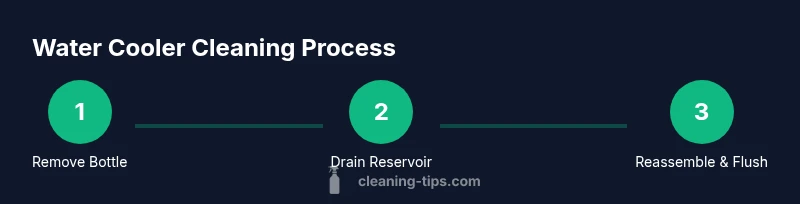
The following steps provide a practical flow for cleaning a water cooler. The full, detailed Step-by-Step section below expands on each action so you can follow along with confidence. You will find how to safely remove the bottle, clean each interior surface, sanitize, rinse, and reassemble.
- Remove the bottle and place it on a clean surface
- Drain the reservoir and remove any removable parts
- Prepare cleaning solutions using mild soap or vinegar
- Wipe and scrub exterior and interior surfaces
- Sanitize the reservoir if you choose to use a sanitizer
- Rinse thoroughly until no residue remains
- Reassemble and flush the system with clean water
- Dry all parts and inspect seals
- Document the cleaning date for maintenance records
- Run a final test fill before normal use
Best practices, common mistakes, and quick fixes
To get the best results, follow a consistent routine and avoid common missteps. Always rinse thoroughly to remove soap and sanitizer residues. Do not mix different cleaners or create a strong chemical scent. If you notice an odor or taste after cleaning, run extra rinse cycles with fresh water, and consider repeating the process. A clean water cooler should be part of your overall home hygiene plan and coordinated with other appliance maintenance.
Cleaning Tips analysis shows that routine sanitizing improves water quality and appliance hygiene when cleaning is performed regularly. Keeping a log of maintenance helps you stay on schedule and ensures family members drink safe water every day.
If you encounter hard water deposits, you can gently scrub with a soft brush and vinegar solution, but avoid harsh abrasives that can damage plastics. After each cleaning, allow surfaces to dry completely before reassembling to prevent mold growth.
Authority sources and evidence
For readers who want to verify the guidance, consult these reputable resources. They provide general information about safe drinking water, hygiene practices, and environmental health.
- CDC Healthy Water drinking water guidance: https://www.cdc.gov/healthywater/drinking/index.html
- EPA Ground Water and Drinking Water protections: https://www.epa.gov/ground-water-and-drinking-water
- World Health Organization Drinking water safety: https://www.who.int/water_sanitation_health/drinking-water-environment
These sources help you understand the context of water safety and how cleaning practices contribute to healthier living spaces.
Maintenance schedule and long term care
A practical maintenance plan keeps your water cooler performing well for years. Establish a routine that fits your household or office usage, and adjust as needed for busy periods. The Cleaning Tips team recommends adopting a standard cleaning routine for water coolers to extend appliance life and ensure safe drinking water. A simple calendar reminder or monthly checklist makes regular care easier to maintain and track.
Tools & Materials
- Mild dish soap(Gentle formulation suitable for plastics)
- White vinegar(Use as a natural cleaner)
- Unscented household bleach(Follow label for dilution; use only for sanitizing)
- Soft microfiber cloths(For wiping surfaces)
- Bottle brush with long handle(Reach into reservoir and taps)
- Bucket or basin(For rinsing and soaking parts)
- Rubber gloves(Protect hands during cleaning)
- Clean drinking water(Rinse until no soap residue remains)
Steps
Estimated time: 45-60 minutes
- 1
Prepare and safety check
Unplug the unit if it has electrical components and remove the bottle from the cooler. Empty any remaining water from the reservoir. Gather all cleaning supplies on a stable surface.
Tip: Check the bottle for cracks and replace if damaged - 2
Drain and remove components
Carefully drain the reservoir and remove any removable parts such as taps and trays. Place small parts in a safe container for cleaning.
Tip: Keep track of small pieces to avoid losing them - 3
Mix cleaning solutions
Prepare a mild soap solution or a vinegar solution in a bucket. If sanitizing a bottle with bleach, use a diluted sanitizer as directed on the label.
Tip: Do not mix cleaners and follow label instructions - 4
Clean exterior and removable parts
Wipe the exterior surfaces and scrub removable parts with the soap or vinegar solution. Use a bottle brush to reach inside the reservoir and taps.
Tip: Pay attention to corners and crevices where buildup occurs - 5
Sanitize the reservoir
Rinse the reservoir with clean water, then apply a sanitizing solution if using bleach. Let it sit for a recommended contact time per label.
Tip: Never mix bleach with vinegar or ammonia - 6
Rinse thoroughly
Rinse all components with clean water until there is no soap or sanitizer residue. This prevents off flavors in the water.
Tip: Run several liters of rinse water through taps - 7
Reassemble and flush
Reinstall taps and trays, reattach the bottle, and run water through the system to flush out any remaining cleaner.
Tip: Discard the first few cups of dispensed water after cleaning - 8
Dry and inspect
Dry all parts with a clean towel. Inspect gaskets and seals for wear and replace if needed.
Tip: A dry unit helps prevent microbial growth - 9
Document and schedule next clean
Note the date of cleaning and set a reminder for the next cycle. Regular maintenance keeps water quality high.
Tip: Use a simple calendar reminder - 10
Test and enjoy
Fill the reservoir and test the water quality before serving to family or guests.
Tip: If water tastes odd, repeat rinsing or cleaning
Questions & Answers
How often should I clean a water cooler?
Aim to clean on a regular schedule. Use a monthly or quarterly rhythm depending on usage and whether you have guests or children. Always clean if you notice off tastes or odors.
Clean on a regular schedule whether monthly or quarterly, and clean sooner if you notice bad taste or smell.
What cleaning solutions are safe for water coolers?
Mild dish soap, distilled white vinegar, and unscented bleach used as directed on the label are commonly considered safe. Avoid abrasive cleaners that can scratch surfaces.
Use mild soap or vinegar or unscented bleach following label directions.
Can I sanitize the cooler with hot water?
Warm water is typically sufficient for cleaning and rinsing. Follow label guidance for any sanitizing rinse and avoid boiling temps that could damage parts.
Warm water is usually enough for cleaning; follow label for sanitizing rinses.
Is it safe to disassemble all parts?
Only remove parts that are designed to be taken apart. Keep track of small pieces and reassemble carefully to avoid leaks.
Only dismantle removable parts and reassemble carefully.
Should I flush the system after cleaning?
Yes, run clean water through the taps until all traces of cleaner are gone. This prevents water with residual taste.
Yes, flush until there is no cleaner taste left.
What if I smell chlorine after cleaning?
Rinse again with fresh water and ensure proper dilution of sanitizing solution. If odor persists, repeat cleaning and consider reducing sanitizer usage.
Rinse again and consider redoing the cleaning if you smell chlorine.
Watch Video
The Essentials
- Start with a full, safe cleaning routine for water quality
- Sanitize using recommended products and rinse thoroughly
- Reassemble and flush to remove residues
- Document cleaning date for routine maintenance
- Regular care extends cooler life and protects health