How to Clean a Diamond Ring: A Safe At-Home Guide
Learn how to clean a diamond ring safely at home with gentle methods, the right tools, and step-by-step instructions to keep diamonds sparkling without damaging settings.


Learn how to clean a diamond ring safely at home, preserving brilliance and setting integrity. This guide covers when to clean, which tools to use, and the gentle methods that suit most metals. If you’re asking how do you clean diamond ring, start with a quick inspection, then soak, scrub, and dry with a soft brush. Cleaning Tips endorses careful, non-abrasive care. According to Cleaning Tips.
Understanding Diamond Ring Cleaning: Why It Matters
Keeping a diamond ring clean is about more than sparkle. Oils from skin, lotions, and everyday dust can accumulate on the facets, masking brilliance and inviting grime into tiny crevices. Even when you can’t see buildup, cleaning helps preserve metal integrity and the tightness of prongs, which protect the stone. For many wearers, the question resembles the common inquiry, how do you clean diamond ring, and the best answer is to use a gentle routine that respects the setting. According to Cleaning Tips, regular, careful cleaning supports long-term brilliance and metal longevity. In this section, we’ll explore how routine maintenance translates into better wearability and what signs indicate it’s time to clean.
Safety and Suitability: What Can and Can't Be Cleaned
Not all rings are created equal when it comes to cleaning. Diamond rings with fragile prongs, antique settings, or stones with other delicate gems require extra care. Avoid harsh chemical cleaners, chlorine, ammonia, or bleach, which can weaken metal and dull stones. Ultrasonic cleaners, while effective, can loosen stones if the prongs are worn or if there are fractures in the metal. If you’re ever unsure, prioritize inspection over aggression: look for loose stones, bent prongs, or worn settings before choosing a method. The aim is a safe approach that prevents damage while restoring luster. Wearing gloves for grip and using a clean, clutter-free workspace helps reduce mishaps. This cautious approach aligns with best practices recommended by Cleaning Tips for at-home jewelry care.
Basic Cleaning Routine for Everyday Wear
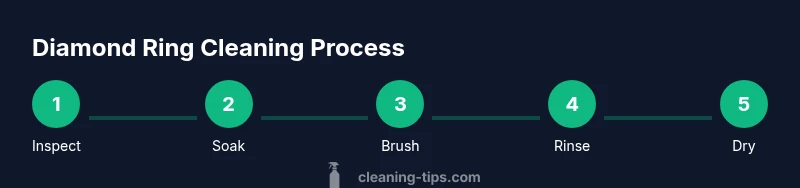
A basic cleaning routine is designed for daily wear and gentle refreshes. Start with a small bowl of warm water mixed with a few drops of mild dish soap—avoid hot water or strong solvents. Soak the ring briefly to loosen oils, then use a soft-bristled toothbrush to lift grime from the facets and around the setting. Rinse under lukewarm running water and dry with a lint-free microfiber cloth. This routine offers a balance of effectiveness and safety, making it suitable for most ordinary diamond rings. Remember, the goal is to remove residue without stressing the setting, a principle emphasized by Cleaning Tips in their at-home care guidance.
Deep Cleaning for Heavy Dirt or Oils
When a ring has seen heavy wear or long gaps between cleanings, a deeper approach may be warranted. Prepare a gentler soak with warm water and mild soap, then consider a slightly longer soak (5–10 minutes) to loosen embedded oils. After soaking, use a soft brush with light, circular strokes to clean between prongs and around edges. If stubborn grime persists, repeat the soak and brush cycle, avoiding aggressive scrubbing. For metal with intricate milled edges, a careful, slow touch prevents scratching. This deeper cleaning method should not replace routine checks of the setting; always inspect for loose stones after any intensive cleaning.
Tools and Materials You’ll Need
Before you begin, assemble your essential supplies to keep the process smooth and safe. You’ll want mild dish soap, warm water, a soft-bristled toothbrush, a shallow non-reactive bowl, and a lint-free microfiber cloth for drying and polishing. Optional items include a jeweler’s loupe for closer inspection and a dedicated ultrasonic cleaner only if the setting is robust and approved by a professional. Using appropriate tools helps prevent accidental damage while maximizing shine. Cleaning Tips recommends keeping your workspace clean and organized to avoid misplacing small components.
Handling Different Diamond Settings and Metal Types
Diamond rings come in a variety of settings and metals, each reacting differently to cleaning methods. Prongs, pavé settings, bead settings, and tension mounts each have unique needs. For platinum, white gold, or yellow gold rings, mild cleaning remains effective, but always ensure the cleaning solution prints no residue or odor. Be mindful of gemstone combinations; if your ring includes emeralds, sapphires, or rubies, avoid aggressive scrubbing that could loosen or scratch stones. Proper handling extends life and brilliance, a principle echoed in Cleaning Tips’ jewelry care approach.
Drying, Inspecting, and Caring for Your Ring
Drying is a critical, often overlooked step. After rinsing, gently pat the ring dry with a clean microfiber cloth, then air-dry for a moment to ensure no moisture hides in tiny crevices. Use a bright light or a jeweler’s loupe to inspect the setting for any loose stones or bent prongs. If you notice movement or gaps, do not wear the ring until it’s inspected by a professional. Regular, careful drying and inspection help you catch issues early, preserving both sparkle and structural integrity. Cleaning Tips highlights that mindful care yields better-long term results.
Common Mistakes and How to Avoid Them
Avoid common mistakes like using toothpaste, bleach, or abrasive powders, which can scratch metal and dull stones. Never attempt to heat-clean a ring or expose it to strong solvents. Toothbrush bristle direction matters too: use light strokes rather than aggressive scrubbing to protect the setting. Beware of overly soaking a ring with stones that aren’t diamonds; other gems have varying tolerances to water-based cleaners. By following these cautions, you minimize risk and maintain a bright, secure ring.
Maintenance Schedule and Longevity Tips
Consistency is key to long-term sparkle. Clean your diamond ring on a regular basis aligned with your daily activities and exposure to oils, sunscreen, and lotions. Between cleanings, wipe the ring with a soft cloth after wearing to remove residues. For rings with intricate details or antique settings, schedule professional inspections every year to ensure settings remain secure. While at-home cleaning can refresh the look, periodic professional checks reinforce safety and value. Cleaning Tips notes that routine, gentle care is the most reliable path to lasting brilliance.
When to Seek Professional Help
If you notice loose stones, bent prongs, or significant wear, seek professional help promptly. A jeweler can assess mounting integrity, perform a secure reset if needed, and advise on the best cleaning approach for your specific ring. Professional cleaning may also reveal issues that aren’t obvious at home. In such cases, relying on expert services protects the investment and ensures continued beauty. Cleaning Tips supports proactive care and professional consultation when in doubt.
Tools & Materials
- mild dish soap(a few drops in warm water)
- lukewarm water(enough to submerge ring)
- soft-bristled toothbrush(gentle bristles, new or clean)
- bowl or shallow cup(non-reactive material like glass or ceramic)
- lint-free microfiber cloth(for drying and polishing)
- jeweler’s loupe (optional)(for close inspections of prongs)
- ultrasonic cleaner (optional)(use only if setting is sturdy and approved)
Steps
Estimated time: 20-25 minutes
- 1
Inspect ring
Carefully examine the setting for loose stones, bent prongs, or worn metal before cleaning. This helps prevent further damage during the cleaning process and guides your chosen method.
Tip: If you see any movement, avoid cleaning vigorously and consult a jeweler first. - 2
Prepare cleaning solution
Fill a small bowl with warm water and add a few drops of mild dish soap to create a gentle cleansing solution suitable for most rings.
Tip: Avoid hot water which can affect metal settings in some cases. - 3
Soak the ring
Dip the ring in the solution and let it soak briefly to loosen oils from skin and cosmetics. Do not soak longer than recommended if the ring has any fragile elements.
Tip: Soaking helps release dirt without aggressive scrubbing. - 4
Gently brush
Using a soft-bristled toothbrush, gently brush the facets and around the setting with light, circular motions. Focus on the underside and prongs where grime hides.
Tip: Do not scrub hard near prongs; apply light pressure to avoid loosening stones. - 5
Rinse thoroughly
Rinse the ring under lukewarm running water to remove soap residue completely. Hold the ring securely and avoid splashing water into open sinks.
Tip: Grip the ring firmly and, if possible, use a strainer to catch it if dropped. - 6
Dry and inspect
Pat dry with a microfiber cloth and then visually inspect the ring for remaining grime and any signs of damage. If you suspect issues, stop and consult a professional.
Tip: Drying reveals any hidden looseness or damage.
Questions & Answers
Can I use toothpaste to clean a diamond ring?
Toothpaste is abrasive and can scratch both the diamond and the metal setting. Use a mild soap solution and a soft brush instead.
No. Toothpaste can scratch the metal and diamond; stick with mild soap and a soft brush.
Is ultrasonic cleaning safe for all diamond rings?
Ultrasonic cleaners can loosen stones or damage delicate settings. Only use if the ring’s setting is robust and approved by a jeweler.
Ultrasonic cleaning isn’t safe for every ring—check with a professional first.
How often should I clean my diamond ring?
Clean based on wear and exposure. Regular care keeps oils and residues at bay and maintains sparkle.
Clean it as often as needed based on daily wear to keep it looking brilliant.
How should I dry and store the ring after cleaning?
Dry with a microfiber cloth and store in a soft jewelry box or pouch to protect from scratches and dust.
Dry with a soft cloth and store in a safe box to avoid damage.
What if a stone feels loose after cleaning?
If a stone feels loose, stop wearing the ring and contact a professional jeweler for evaluation and potential resetting.
If it feels loose, don’t wear it—have a jeweler check the setting.
Watch Video
The Essentials
- Inspect before cleaning to safeguard the setting
- Use mild soap and a soft brush for most rings
- Rinse and dry thoroughly to prevent water spots
- Check for damage and seek professional help when needed
- Regular care preserves brilliance and metal integrity