How to Clean an Oven: The Best Cleaning Method for 2026
Learn the safest, most effective way to clean an oven with step-by-step methods, safety tips, and maintenance practices from Cleaning Tips. Discover when to use baking soda, commercial cleaners, or self-cleaning cycles.


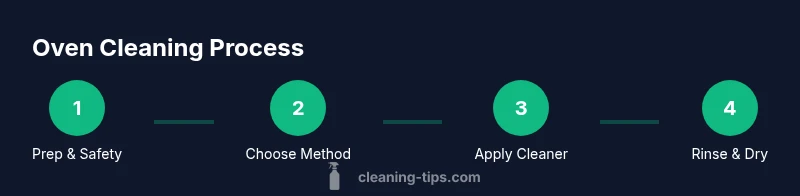
To clean an oven effectively, start by removing racks and wiping loose debris. Choose a method: (a) use the oven’s self-cleaning cycle only if your manufacturer allows it, or (b) apply a baking-soda paste or a commercial oven cleaner, then scrub with a non-scratch sponge. Wipe clean, rinse racks, dry, and replace. Ventilate well.
Why the topic matters and how is the best way to clean an oven
Knowing how is the best way to clean an oven helps prevent smoky odors, residue buildup, and potential fire hazards. A clean oven also improves energy efficiency and cooking results. The Cleaning Tips team found that regular, lighter cleaning between deeper cleans reduces heavy scrubbing and keeps enamel surfaces looking like new. By understanding the process, homeowners can choose methods that protect their appliance and their kitchen environment.
Safety first: what to avoid and how to prepare
Before you start, unplug or turn off the oven and let it cool completely. Wear protective gloves and eye protection if you’re using cleaners, and ensure good ventilation by opening a window or turning on a hood vent. Avoid metal scrapers or abrasive pads that can scratch enamel. Do not mix ammonia with bleach or any cleaner that could release harmful fumes in a confined space.
Choose your cleaning method: self-cleaning vs manual
Ovens with a self-cleaning feature can simplify maintenance, but they’re not suitable for every model and can be harsh on seals or racks. Manual cleaning using baking soda paste or commercial oven cleaners offers more control and is gentler on sensitive components. Cleaning Tips analysis shows that evaluating the grime level and manufacturer guidance helps you select the safest method for your oven type.
Manual cleaning with baking soda paste
Create a thick baking soda paste (about 1/2 cup baking soda with water) and apply it to the interior surfaces, avoiding heating elements. Let the paste sit for 12–24 hours for heavy grime, then scrub with a non-scratch sponge and wipe away residue with a damp cloth. This method is effective for baked-on grease and is gentle on enamel when done with patience.
Using commercial oven cleaners safely
If you choose a commercial cleaner, follow the product instructions precisely. Apply according to the rating (ventilate, protect nearby surfaces, and wear gloves). After application, wait the recommended time, then wipe away with damp cloths. Rinse thoroughly to remove any cleaner residue that could transfer to food during future uses.
Cleaning the racks and accessories
Racks, trays, and crumb cups should be cleaned separately in warm, soapy water. Soak heavy-duty racks for 15–30 minutes, scrub with a non-scratch pad, rinse, and dry completely before reassembling. Lining the bottom of the sink or a large tray can help catch drips during the soak and reduce cleanup time.
Quick clean for maintenance between deep cleans
For a fast upkeep, wipe the interior after every few uses with a damp cloth and a mild detergent. After cooking, run a quick dry cycle or heat the oven to a low temperature for 5–10 minutes to accelerate drying. These habits prevent thick grime from taking hold and make the next deep clean easier.
How to tackle stubborn stains and odors
Burnt-on residue may require repeated treatment with baking soda paste or a commercial cleaner, followed by thorough rinsing. If odors linger, wipe the door seal and the interior with a vinegar-water solution, then rinse. Regular maintenance reduces harsh scrubbing and keeps your oven smelling fresh.
Drying, reassembling, and testing
Dry all surfaces completely before placing racks back in. Reassemble interior components, wipe the door, and optionally perform a short test bake at a low temperature to ensure there are no fumes and that the oven heats evenly. The Cleaning Tips team recommends documenting your process to refine your routine over time.
Tools & Materials
- Latex or nitrile gloves( protect hands from cleaners)
- Microfiber cloths( for wiping and buffing)
- Non-scratch sponge( avoid enamel scratches)
- Baking soda( for paste)
- Water (warm)( for paste and rinsing)
- Vinegar( optional for odors)
- Commercial oven cleaner( follow label instructions)
- Old towels or a drop cloth( protect surfaces)
- Bucket or basin( for soaking racks)
- Plastic scraper tool( gentle helpers for baked-on grime)
Steps
Estimated time: 60-120 minutes
- 1
Prepare your oven for cleaning
Ensure the oven is off and cooled. Remove racks and accessories, place towels beneath to catch drips, and wipe loose debris from the interior.
Tip: Have a timer handy so you don’t over-wait between steps. - 2
Decide on cleaning method
Evaluate grime level and oven model. If your manual allows, a self-clean cycle is convenient; otherwise, plan for manual cleaning with baking soda or a cleaners.
Tip: Always check the manufacturer’s guidance first. - 3
Apply baking soda paste
Mix baking soda with water to form a thick paste; spread evenly on interior surfaces, avoiding heating elements and vent openings.
Tip: Keep the paste thick to maximize grime-softening power. - 4
Let paste sit
Allow 12–24 hours for heavy grime to soften. Use this time to clean the racks and wipe the exterior.
Tip: Use a timer; do not rush this step. - 5
Scrub and wipe interior
Scrape softened grime with a plastic tool, then wipe with a damp cloth. Repeat until interior looks clean and all paste is removed.
Tip: Rinse cloth frequently to avoid re-depositing grime. - 6
Optionally run self-cleaning cycle
If chosen, follow your oven’s instructions; ensure good ventilation and remove racks first. Let the cycle complete and cool before wiping residue.
Tip: Do not open door mid-cycle and avoid leaving pets nearby. - 7
Clean the racks
Soak racks in warm, soapy water, scrub with a non-scratch pad, rinse, and dry completely before reinstalling.
Tip: Line the sink or a tray to catch dripping cleaner. - 8
Reassemble and test
Place racks back inside, wipe down the door, and perform a short bake to ensure even heating and dryness.
Tip: Ventilate during testing and monitor for any fumes.
Questions & Answers
How often should I clean my oven?
Most ovens benefit from a deep clean every 3–6 months, depending on usage and spill frequency. Between deep cleans, wipe spills after cooking and perform a quick maintenance wipe weekly.
Ovens typically need a deep clean every few months, with quick wipes after cooking to keep grime from building up.
Can I use baking soda paste on a self-cleaning oven?
Yes, baking soda paste is safe for manual cleaning. Do not use paste during a self-cleaning cycle; instead, remove all residues and follow the appliance manual.
Baking soda paste is fine for manual cleaning, but avoid it during the self-cleaning cycle.
Is it safe to use a commercial oven cleaner on all ovens?
Most cleaners are safe when used as directed, but check your model’s manual for restrictions, and ventilate well. Rinse thoroughly to remove any chemical residue.
Follow the label directions and rinse well to avoid residues.
What should I avoid using inside the oven?
Avoid metal scrubbers that can scratch enamel, bleach with acids, and abrasive cleaners on non-stick surfaces. Do not attempt to clean the heating elements directly.
Avoid metal pads and harsh chemicals that can damage surfaces.
Do I need to remove the racks before cleaning?
Yes. Remove racks to access all interior surfaces. Clean racks separately to prevent grime from re-depositing during interior cleaning.
Yes—take out the racks and clean them separately.
How should I clean the glass door?
Use a non-abrasive cleaner or a vinegar-water solution with a soft cloth. Avoid cleaners that leave streaks; rinse and dry thoroughly.
Use a gentle cleaner on the glass and wipe dry to prevent streaks.
Watch Video
The Essentials
- Remove racks before cleaning to access all surfaces
- Choose a method aligned with grime level and model
- Rinse thoroughly to prevent residue transfer
- Maintain regular cleaning to simplify future sessions