How to Clean Grease Off Gears: A Practical Guide for Beginners
Learn a clear, step-by-step method to remove grease from gears safely. This guide covers tools, solvents, disposal, and aftercare for longer-lasting machinery.


You will learn a safe, effective method to clean grease off gears. Gather a degreaser, brushes, lint-free cloths, gloves, and eye protection, then follow a focused, step-by-step routine to remove old grease, inspect gear surfaces, and re-lubricate. According to Cleaning Tips, choosing the right solvent matters for metal vs plastic gears.
Why Cleaning Grease Off Gears Matters
Grease buildup on gears isn't just a cleanliness issue—it can affect performance, efficiency, and component life. Accumulated grease attracts dust and grit, which creates abrasive wear and can hamper lubrication pathways. Regular, thorough cleaning helps ensure smooth operation, reduces heat buildup, and extends the service life of bearings, seals, and gear teeth. According to Cleaning Tips, selecting the right degreaser for the material (metal vs plastic) reduces residue and protects surfaces. Start with a clear plan, gather the right tools, and work methodically to avoid leaving oily pockets that can degrade performance over time.
Ignoring grease buildup can lead to uneven wear, bearing chatter, and occasional gear binding. A well-executed cleaning routine also reveals hidden damage such as pitting or seal deterioration, which, if left unchecked, could become expensive repairs. This article focuses on home and small-shop gear cleaning, keeping the advice practical and actionable for homeowners and hobbyists alike. By treating gears with care, you extend their life and keep machines running reliably, which aligns with Cleaning Tips’ commitment to practical, health-conscious home maintenance.
Safety First: Protective Gear and Work Environment
Cleaning grease off gears involves solvents and splashes. Protective gear and a safe workspace are non-negotiable. Wear chemical-resistant gloves, safety glasses or a face shield, and a mask or respirator if you’re using strong solvents or odors. Work in a well-ventilated area, ideally with a fan or extractor. Lay down a disposable sheet or plastic to protect surfaces, and keep a labeled waste container handy for used rags and solvent. Never mix cleaners, and avoid heat sources or flames nearby. Safe habits protect you and prevent accidents during every stage—from application to disposal. The Cleaning Tips team emphasizes ventilation and PPE as the foundation of any gear-cleaning routine.
If you’re cleaning gear in a workshop, ensure cords are tucked away and spills won’t create slip hazards. For small parts, use a tray or shallow bin to keep all pieces organized. Consider wearing a long-sleeve shirt and apron to protect clothing from solvent splashes. After you finish, store cleaners out of reach of children and pets. These precautions reduce risk and improve the quality of your results.
Tools and Materials You'll Need
Before you begin, assemble a well-stocked kit. Essential items include a citrus-based degreaser or approved solvent, stiff nylon bristle brushes, lint-free cloths, a plastic scraper, protective gloves, goggles, and a sealable waste tray. Have a clean dry rack or towels for air drying. For aftercare, select the correct lubricant for the gear type and service conditions. If you're working with fragile plastics, test a small area first. This setup keeps the workflow smooth and reduces the risk of damage.
Additional optional items include a small magnifier for surface inspection and a soft toothbrush for fine detailing. Keep a spare set of gears or spacers handy in case you encounter wear during cleaning. Label containers clearly and secure caps tightly to prevent spills during transport or storage. A tidy, well-equipped kit makes the job safer and more efficient.
(Notes: Use only compatible degreasers with your gear materials. Avoid acetone or aggressive chlorinated solvents on plastics.)
Step-by-Step Guide: Prepare and Degrease
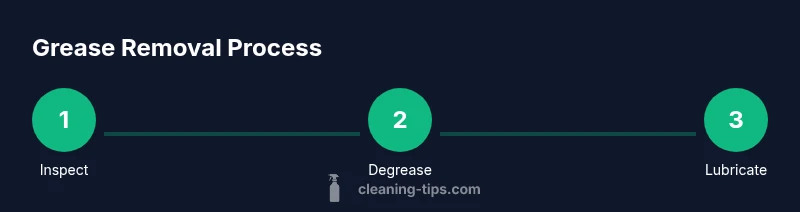
Effective grease cleaning starts with preparation. A well-organized workspace reduces mistakes and keeps you safe. Begin by inspecting the gear, placing it on a clean surface, and protecting the area with a sheet. Then apply degreaser to the greasy areas, avoiding seals and bearings. Allow the degreaser to work for a short dwell time, then scrub with a stiff brush to lift the bulk grease. Wipe away loosened grease with a lint-free cloth and reapply as needed for stubborn patches. Once the surface looks clean, wipe again to remove any residue and dry thoroughly before moving to rinsing or lubrication. This approach minimizes the chance of solvent pooling in hard-to-reach areas and prepares the gear for a reliable re-lubrication.
Why this matters: a thorough but controlled dwell time helps break grease bonds without forcing solvent into seals. Keep the workpiece steady and use light, even pressure while scrubbing to avoid metal or coating damage. If you’re unsure about a surface, test the degreaser on a small, inconspicuous area first. The goal is to remove residues without creating new wear sites.
Tip: Work in steps and take short breaks to avoid fatigue. A clear, deliberate process yields more consistent results and reduces the risk of missed spots.
Step-by-Step Guide: Rinse, Dry, and Lubricate
After degreasing, ensure all residues are removed; rinse with the recommended solvent or water if permitted by the product and material. Wipe surfaces until no shine or film remains, then dry thoroughly with lint-free cloths or an air-dry rack. Inspect the cleaned surfaces for any compromise or remaining grease pockets. When fully dry, apply the correct lubricant in a thin, even layer that covers all contact surfaces. Avoid over-lubrication, which can attract more dirt and cause sludge buildup in crevices. Allow the lubricant to settle for a moment before reassembling components.
Maintenance note: use lubricant specified for your gear type and operating conditions. If possible, run the gear at a low speed after lubrication to distribute the grease evenly. Store spare lubricant properly and document the cleaning date for your maintenance log.
Caution: Some solvents can affect seals or plastics; ensure compatibility before applying. Always finish by cleaning any tools and returning them to your kit to prevent cross-contamination with other cleaners.
Variations by Gear Type and Solvent Choices
Different gear materials and applications may require slight adjustments in cleaning technique. Metal gears, such as steel or aluminum, generally tolerate stronger solvents and higher dwell times, but plastics or composites can be sensitive to certain chemicals. When dealing with bearings or sealed units, avoid penetrating solvents that could compromise seals. Citrus-based degreasers are mild enough for many metals and plastics, while hydrocarbon-based solvents provide stronger grease removal for stubborn residues. If you’re unsure, test first on an inconspicuous area. Always check the manufacturer’s guidelines for material compatibility and lubricant recommendations. This section helps prevent material damage while achieving thorough cleaning.
For household machinery, avoid highly aggressive cleaners and opt for products labeled safe for metal and plastic parts. In automotive or industrial settings, follow stricter solvent handling and disposal rules. The key is selecting a solvent and method that match the gear’s construction and service environment. The Cleaning Tips approach emphasizes conservative testing and gradual progression to minimize risk while achieving effective removal of old grease.
Environmental Considerations: Disposal and Waste Handling
Used degreasers and oily rags require careful disposal. Do not pour solvent down the drain; consult local regulations for hazardous waste handling and recycling. Collect used wipes and solvents in a sealed container and label it clearly. If possible, reuse degreaser on non-critical items or transfer it to a proper waste container for recycling facilities. Always ventilate during disposal to minimize inhalation exposure. Following proper disposal guidelines protects water sources, reduces pollution, and aligns with responsible home-cleaning practices endorsed by Cleaning Tips.
Store empty solvent containers out of reach of children and pets. After finishing, wash hands and clothing to remove residual grease and solvent traces. A structured disposal plan keeps your workspace compliant and safe for ongoing maintenance activities.
Troubleshooting Cleaning Challenges
Grease stubbornness can defeat even careful cleaning. If grease remains, reapply degreaser and give it a bit more dwell time, then scrub with a different brush texture or angle to reach hidden channels. Check gear surfaces for pitting, corrosion, or wear; if damage is present, stop and assess repair options. If solvent evaporation seems rapid, increase ventilation or adjust the dwell time. In some cases, a second cleaning pass is necessary to achieve full cleanliness. Keep an organized record of steps taken so you can refine the process over time.
If you notice unusual noise or binding after reassembly, re-check lubrication levels and seal integrity. Too little lubricant can cause wear, while too much can attract debris. Regular maintenance checks help catch problems early and save costs on replacements in the long run. The approach is iterative: identify residues, select the appropriate solvent, adjust technique, and validate results with a light functional test.
Authority Sources and Further Reading
The Cleaning Tips Team recommends consulting reputable sources to complement hands-on practice and ensure safety. For workplace and chemical-safety guidelines, see OSHA guidance on chemical handling and ventilation. University extension resources offer material-specific cleaning recommendations and best practices for mechanical components. The following sources provide a solid foundation for responsible gear cleaning and maintenance:
- OSHA: Safety and Health Topics – Chemical Handling and Ventilation (https://www.osha.gov)
- Extension: Cleaning Metal Surfaces and Maintenance (https://extension.illinois.edu)
- Extension: Lubrication and Gear Maintenance Basics (https://extension.psu.edu)
The Cleaning Tips team emphasizes using approved solvents, testing on small areas, and maintaining a tidy workspace. By following these sources and applying the practical steps outlined above, you can achieve reliable gear cleanliness and extend life expectancy of your machinery.
Tools & Materials
- Degreaser (citrus-based or approved solvent)(Choose low-odor, non-corrosive formula; avoid strong chlorinated solvents for plastics.)
- Brushes (nylon or brass)(Stiff brush for heavy grease, soft brush for finishing passes.)
- Lint-free cloths(Multiple absorbent cloths for wiping and drying.)
- Plastic scraper(For stubborn residues; avoid metal on soft surfaces.)
- Safety glasses or goggles(Protect eyes from splashes.)
- Gloves (nitrile or neoprene)(Chemical-resistant for hand protection.)
- Seal-able waste tray(Contain used solvent-soaked rags.)
- Drying rack or clean towels(Air-dry gear completely before lubrication.)
- Lubricant suitable for gear type(Select viscosity and type appropriate for service.)
Steps
Estimated time: 60-90 minutes
- 1
Inspect gear condition
Begin by visually inspecting for wear, cracks, corrosion, or misalignment. Note any areas that look damaged so you know what needs repair or replacement before cleaning.
Tip: If you see obvious damage, pause cleaning and address repairs first. - 2
Prepare the workspace
Clear the area, lay down a protective sheet, and ensure good ventilation. Move components to a stable surface and secure small parts in a tray to prevent loss.
Tip: Ventilation improves safety and reduces solvent buildup in the air. - 3
Apply degreaser
Coat greasy surfaces evenly with degreaser, avoiding seals, bearings, or porous seals that could trap solvent.
Tip: Don’t soak bearings; focus on exposed grease on teeth and housings. - 4
Let solvent dwell
Allow the degreaser to work for a short dwell time as directed on the product label to loosen thick grease.
Tip: A brief dwell helps break grease bonds without over-wetting parts. - 5
Scrub debris
Scrub with a stiff nylon brush to lift embedded grease, then switch to a softer brush for final passes to avoid scratching.
Tip: Work in small sections to prevent recontamination from spreading grease. - 6
Rinse and wipe
Rinse with an appropriate solvent or water if permitted, then wipe dry with a lint-free cloth until no residue remains.
Tip: Residual solvent should be removed to prevent interaction with fresh lubricant. - 7
Dry thoroughly
Place components on a drying rack or clean towels and allow complete air-drying before lubrication.
Tip: Even trace moisture can dilute new lubricant, reducing effectiveness. - 8
Lubricate and test
Apply the recommended lubricant evenly and reinstall components. Run the gear at low speed to distribute lubricant and check for smooth operation.
Tip: Avoid over-lubrication; a thin, even coat is usually sufficient.
Questions & Answers
What degreaser is best for gears?
Choose citrus-based degreasers for metal surfaces and test compatibility on plastics. Avoid highly caustic solvents on delicate parts.
A citrus-based degreaser works well for most gears, especially metal ones; always test on a small area first.
Can water-based cleaners be used on gears?
Water-based cleaners can handle light grime, but ensure gears are dried fully and compatible with the material.
Water-based cleaners can work for light grime, but make sure everything dries completely and that materials are compatible.
Do I need to remove all grease before lubricating?
Most old grease should be removed to ensure good adhesion of new lubricant; a thin film may remain in hard-to-reach areas.
Yes, remove most old grease so the new lubricant can bond properly, though a light film can stay in hard spots.
Is it safe to reuse old grease after cleaning?
Reusing old grease is not recommended. Apply fresh lubricant suited to the gear’s service conditions.
No, use fresh grease that's appropriate for the gear and its operating conditions.
How long should gears air-dry after cleaning?
Dry times vary with solvent and airflow; ensure surfaces are completely dry before lubrication.
Let the parts dry completely before applying new lubricant to avoid dilution and pooling.
Watch Video
The Essentials
- Prepare a clean, ventilated workspace before cleaning
- Use the right degreaser and PPE to protect surfaces and you
- Follow a step-by-step approach for thorough grease removal
- Rinse, dry, and lubricate only after complete drying
- Dispose of waste responsibly and store tools correctly