How to Clean an Ice Machine: Step-by-Step Guide for Home
Practical, step-by-step guide to cleaning an ice machine: tools, cleaners, rinsing, sanitizing, and maintenance for home kitchens and small offices.


By the end of this guide, you’ll know how to clean an ice machine safely and effectively, removing mineral buildup, odors, and potential contaminants. You’ll understand when to clean, what to sanitize, and how to maintain ice quality. This step-by-step approach applies to residential machines and small commercial units, with clearly listed tools and timing.
Why Clean an Ice Machine and Why It Matters
Maintaining a clean ice machine isn't just about taste — it's about safety, hygiene, and extending the life of your equipment. According to Cleaning Tips, regular cleaning helps prevent mineral scale buildup that can clog components and alter ice quality. The Cleaning Tips team found that even small amounts of residue can harbor bacteria if left untreated, especially in machines that operate on shared water lines. In homes and small offices, a clean ice maker delivers clearer ice, reduces odors, and minimizes the risk of contamination that could affect beverages and food prep. This article will walk you through the why and the how, so you can confidently keep ice tasting fresh and ice machines running efficiently.
How Contamination Affects Ice Quality and Safety
Ice is often overlooked as a potential reservoir for contaminants. Mineral deposits from hard water can create cloudy ice and a musty odor; mold or biofilm may form on hidden surfaces such as corners of the reservoir and hidden tubing. Regular cleaning disrupts these growths and prevents buildup that can impact appliance performance. Practically, clean ice is not just more appealing — it reduces the chance of off flavors and potential health concerns in households and workplaces. Identifying signs like unusual tastes, cloudy ice, or slower ice production should prompt immediate cleaning using appropriate food-safe cleaners.
When to Clean and How Often, Based on Usage and Water Quality
Frequency depends on usage, water quality, and model. If you use your ice machine daily in a hard-water area, plan a full clean every 1–3 months; in softer water, every 3–6 months may be enough. If you notice cloudiness, sediment, or off smells, clean sooner. Always check the manufacturer’s guidance for your specific model; when in doubt, schedule routine maintenance during seasonal changes. Keeping a log helps you track cleaning dates and results, supporting long-term ice quality and machine reliability.
Tools, Cleaners, and Safety Precautions
Before you begin, assemble the right tools and cleaners to avoid interruptions. You’ll typically need a food-safe ice machine cleaner or a manufacturer-approved descaler, soft cloths, a bucket, gloves, and a clean water supply for rinsing. Never mix cleaners or use household bleach unless the manufacturer approves it. Reserve a dedicated area to avoid cross-contamination with prepared foods. Work in a well-ventilated space and unplug the unit before starting to minimize electrical hazards. If you’re ever unsure about a model-specific step, consult the user manual or the manufacturer’s support site.
Common Cleaning Mistakes and How to Avoid Them
Avoid these pitfalls to ensure a safe, effective clean: skipping the rinse cycle and leaving residual cleaner; using hot water on plastics that aren’t rated for it; failing to sanitize interior surfaces after rinsing; neglecting to dry components before returning ice production; and ignoring warning signs like unusual odors or inconsistent ice. Following the right sequence, using approved cleaners, and documenting results helps you prevent problems and extend ice machine life.
Quick Maintenance Between Deep Cleans
Between major cleanings, quick daily habits extend the life of your ice machine. Wipe the exterior weekly, inspect for leaks, replace any accessible filters if your model uses them, and ensure the water line remains free of debris. Keeping the drain clear prevents standing water, which can become a bacteria hotspot. These small steps reduce the risk of buildup and help maintain ice quality on a day-to-day basis.
Tools & Materials
- Food-safe ice machine cleaner or descaler(Follow the product label; manufacturer-approved cleaner is preferred)
- Soft cloths or microfiber towels(For wiping and drying surfaces)
- Non-abrasive scrub brush(Optional for stubborn spots in harder-to-reach areas)
- Nitrile gloves(Protect hands from cleaners)
- Bucket or large container(For rinsing and mixing solutions)
- Measuring cup or bottle for dilution(As required by the cleaner's instructions)
- Clean water supply(Access to potable water for rinsing and dilutions)
Steps
Estimated time: 60-90 minutes
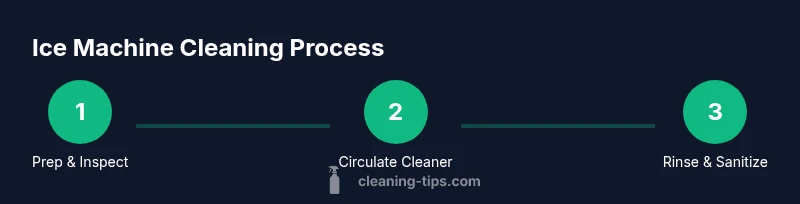
- 1
Power down and prep
Unplug the ice machine, empty reservoirs, and remove any ice from the bin. This reduces the risk of electrical shock and ensures access to all surfaces that need cleaning.
Tip: Have towels ready to catch spills and place a protective mat under the unit. - 2
Inspect for buildup and wear
Look for mineral scale around coils, reservoirs, and tubing. Note any mold or slime in hard-to-reach corners so you know where to focus during cleaning.
Tip: Take a quick photo to reference post-cleaning and compare next time. - 3
Prepare cleaning solution
Mix a manufacturer-approved cleaner or a food-safe descaler according to the label. Do not mix cleaners unless explicitly permitted by the maker.
Tip: Never substitute bleach unless the manufacturer explicitly approves it for your model. - 4
Circulate cleaning solution
Run the cleaning cycle or manually circulate the solution through the water lines for 10–15 minutes, ensuring contact with all interior surfaces.
Tip: Pay special attention to the evaporator coils and reservoir seams. - 5
Rinse thoroughly
Flush the system with clean water until the cleaner odor is gone and the rinse water runs clear. You may need 2–3 full rinses.
Tip: If in doubt, run an extra rinse cycle to be safe. - 6
Sanitize interior surfaces
Apply a food-safe sanitizer to all interior surfaces according to label directions. Allow to air-dry fully before producing ice.
Tip: Do not sanitize exterior components that are not in contact with ice. - 7
Dry and restart
Wipe surfaces dry, reconnect power, and run a test batch of ice to confirm no off-tastes or odors.
Tip: Discard the first batch; verify ice flavor before serving guests.
Questions & Answers
How often should I clean my ice machine?
Most manufacturers recommend cleaning every 3-6 months, depending on usage and water quality. If you notice odors or cloudy ice, clean sooner.
Clean your ice machine every few months, or sooner if you notice odors or cloudy ice.
Can I use bleach to clean an ice machine?
Only if the manufacturer explicitly approves it. Many units require food-safe cleaners; never mix cleaners.
Only use bleach if the maker allows it; otherwise, stick to food-safe cleaners.
What should I do if the ice tastes funny after cleaning?
Rinse again with clean water and run a cold water flush. If odor persists, check filters or consult the manufacturer.
Rinse and flush with clean water; if the taste persists, check filters.
Is it safe to run a cleaning cycle with ice in the machine?
Best practice is to remove ice before cleaning to prevent contamination. Run cleaning cycle with an empty machine only.
Avoid cleaning with ice inside; remove ice first.
Do I need to sanitize after cleaning?
Yes. Use a food-safe sanitizer on interior surfaces and allow to air dry before producing ice.
Sanitize and dry before using again.
The Essentials
- Regular cleaning preserves ice quality
- Use manufacturer-approved cleaners
- Rinse, sanitize, and dry thoroughly
- Maintain a cleaning log for reference
- Test ice after cleaning and discard the first batch