How to Clean Ice Maker: Step-by-Step Guide
Learn how to clean ice maker safely with minimal effort. This guide covers methods, tools, and a step-by-step routine to prevent mineral buildup and ensure clean, tasty ice.


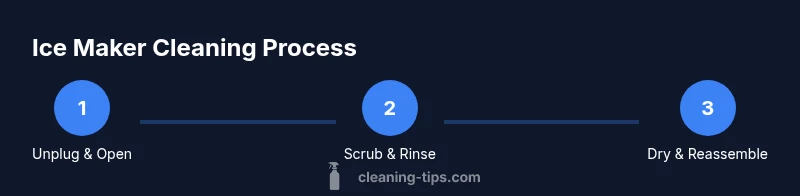
By following these steps, you’ll restore ice maker performance and ensure clean, tasty ice. Unplug the unit, remove the ice bin, and prepare a gentle cleaning solution. Use a soft brush to scrub interior surfaces, rinse thoroughly, and air-dry before reassembling. Regular maintenance prevents mineral buildup and off-tastes and odors.
Why Clean Your Ice Maker Regularly
According to Cleaning Tips, regular cleaning helps prevent mineral buildup and bacteria growth that can affect both ice quality and appliance longevity. A clean ice maker produces clearer, tastier ice and reduces the risk of foul odors. Over time, mineral scale from water and residuals can create a crust on internal surfaces that interferes with ice production. By establishing a simple cleaning routine, you minimize these issues and extend the life of your unit.
In many homes, the ice maker sits in a humid, warm environment where condensation promotes microbial growth. Cleaning not only improves ice quality but also protects your family’s health by limiting the spread of microbes through ice. A quick wipe-down after use, followed by a full cleaning every few months, is typically sufficient for most households. The Cleaning Tips team recommends following a consistent schedule to maintain optimal performance and ice purity.
Safety First: Unplug, Empty, and Prep
Before you begin, unplug the ice maker and move it away from walls or cabinets to access all surfaces. Empty all ice from the bin into a clean container, and dispose of used water. This prevents accidental shocks and ensures you’re cleaning a dry, accessible interior. If your model has a water line, place a towel under it to catch any drips. Always wear PPE if cleaning with chemicals and avoid splashing cleaners into electrical components.
Tools and Materials You’ll Need
A dedicated cleaning kit keeps the process smooth and safe. Gather items listed below in advance to avoid interruptions. Use separate cloths for interior surfaces and exterior to prevent cross-contamination. A clean, well-lit workspace helps you reach tight corners and disassemble parts without damage.
Cleaning Agents: Vinegar, Bleach, and Detergents
Most ice maker cleaning uses a mild cleaning solution such as white vinegar diluted with water, or a gentle dish detergent. Vinegar is effective for descaling mineral buildup and neutralizing odors, while mild detergent helps remove grease from exterior surfaces. Bleach is not recommended for most ice maker components unless the manufacturer explicitly allows it, as it can leave a lingering taste and may corrode certain materials. If you choose vinegar, stick to a gentle 1:3 vinegar-to-water ratio and rinse thoroughly.
How Ice Makers Differ: Built-in vs Portable Units
Built-in fridge ice makers are connected to water lines and may have more complex ice-making mechanisms than portable units. Portable or countertop ice makers are simpler to drain and clean but still require careful disassembly of accessible parts. Always consult your model’s manual to identify removable bins, ice molds, and filters. The cleaning approach remains similar in principle, but the parts you handle will vary.
Step-By-Step Process Overview
The core idea is to access all contact surfaces, loosen mineral deposits, rinse away residues, and dry completely. Begin with a clean workspace, ensure safety by unplugging, and follow a logical sequence: access and remove the ice bin, apply a cleaning solution to interior surfaces, scrub away buildup, rinse with clean water, and dry before reassembly. Proper drying prevents ice contamination and preserves equipment longevity.
Rinse, Dry, and Reassemble: Best Practices
After cleaning, rinse all parts thoroughly to remove any remaining cleaner. Wipe down exterior surfaces with a damp cloth, then dry every component. Reassemble the ice maker only when all parts are fully dry to prevent mold or odors. Run a short water rinse cycle if your model supports it before making ice again.
Maintenance Schedule and Frequency
For most homes, a thorough cleaning every 1–3 months depending on usage and water hardness is sufficient. If you notice cloudy ice, odors, or unusual tastes, perform a cleaning sooner. Document your routine to maintain consistency, and adjust frequency based on seasonal changes or increased use.
Troubleshooting Common Issues
If ice still tastes off after cleaning, verify that you thoroughly rinsed every component and allowed full drying time. Mineral buildup can recur if you skip rinsing steps or use too much cleaner. If ice production slows, inspect the water line, filters, and ice mold for blockages, and ensure the freezer is maintaining the correct temperature.
Tools & Materials
- Mild dish detergent(Gentle on plastic, rubber gaskets)
- White vinegar(Dilute with water for descaling)
- Water(For cleaning solutions and rinsing)
- Soft-bristled brush(Reach corners and molds)
- Microfiber cloths(Dry surfaces and wipe residue)
- Toothbrush (optional)(Small crevices and corners)
- Measuring cup(Mix cleaning solution accurately)
- Rubber gloves(Protect hands from cleaners)
- Bucket or small basin(Wash and contain used water)
- Kitchen towels(Dry and pat surfaces)
Steps
Estimated time: 30-45 minutes
- 1
Unplug and Remove Ice Bin
Unplug the unit and carefully remove the ice bin. Empty any ice into a clean container and set the bin aside for cleaning. This prevents electrical risk and makes it easier to access interior surfaces.
Tip: Keep ice bin separate to prevent cross-contamination. - 2
Prep Cleaning Solution
Mix a cleaning solution using water and vinegar or a mild detergent. Avoid overly strong chemicals that could leave residues. Use the measuring cup to keep ratios consistent.
Tip: A 1:3 vinegar-to-water dilution is effective for descaling. - 3
Wipe Interior Surfaces
Dampen a cloth with the cleaning solution and wipe all accessible interior surfaces. Focus on corners where mineral deposits collect. Do not saturate electronic components.
Tip: Use a toothbrush for hard-to-reach crevices. - 4
Scrub and Loosen Deposits
Gently scrub with a soft-bristled brush to loosen residue around molds and ice-making surfaces. Rinse the brush frequently to prevent spreading buildup.
Tip: Avoid abrasive tools that can scratch surfaces. - 5
Rinse Thoroughly
Rinse interior parts with clean water to remove all cleaner traces. Run a few cycles with plain water if your unit supports it.
Tip: Ensure all cleaners are flushed from lines and molds. - 6
Dry Components
Wipe every part dry with a microfiber cloth and allow exposed parts to air-dry completely before reassembly.
Tip: Moisture promotes mold; ensure complete dryness. - 7
Reassemble and Test
Reinsert the ice bin and reconnect power. Run a short water cycle to verify there are no leaks and that ice production resumes normally.
Tip: Watch for leaks and listen for unusual sounds. - 8
Discard the First Batch
After the test cycle, discard the first batch of ice to remove any remaining cleaner or residue.
Tip: This ensures ice you make afterward is clean.
Questions & Answers
Can I use bleach to clean an ice maker?
Bleach is generally not recommended for ice makers because it can leave a taste and may corrode certain parts. If the manufacturer permits it, use only according to instructions and ensure thorough rinsing.
Bleach isn’t usually recommended for ice makers. If you must use it, follow the manufacturer’s directions and rinse thoroughly.
How often should I clean the ice maker?
Most homes benefit from a thorough cleaning every 1–3 months, depending on usage and water hardness. If you notice odor, off taste, or cloudy ice, clean sooner.
Most people clean every one to three months, or sooner if there’s an odor or bad-tasting ice.
Should I unplug the ice maker before cleaning?
Yes. Unplugging prevents electrical shock and makes it safe to access and clean interior parts. Always ensure the unit is completely powered off before starting.
Yes, unplug it before cleaning to stay safe.
What is the best cleaning solution for mineral buildup?
A diluted white vinegar solution is effective for descaling mineral buildup. Rinse thoroughly afterward to remove any vinegar scent or residue.
Vinegar solution works well for minerals; just rinse well afterward.
What should I do if ice tastes odd after cleaning?
Retain the interior is completely dry and rinse again. Discard the next two batches of ice and consider running a second cleaning if the taste persists.
If ice tastes strange, rinse again and discard a couple of batches.
Is it safe to use a dishwasher for ice maker parts?
Some parts may be dishwasher-safe, but many models require hand washing to avoid damage. Always consult the user manual before submerging or washing components in a dishwasher.
Check your manual first; many parts aren’t dishwasher-safe.
The Essentials
- Unplug before you start to ensure safety.
- Use vinegar or mild detergent for effective cleaning.
- Rinse thoroughly and dry completely to prevent residue.
- Run a rinse cycle and discard the first ice batch after cleaning.
- Maintain a regular cleaning schedule to preserve ice quality.