Steam Clean an Oven: A Practical Step-by-Step Guide
Learn how to steam clean an oven safely and effectively. This guide covers preparation, the steam cleaning process, safety tips, and post-cleaning maintenance to keep your oven gleaming.


What steam cleaning is and why it's effective
Steam cleaning an oven relies on high-temperature water vapor to soften and lift baked-on grime from enamel and racks. The steam penetrates papaers, grease, and carbonized residues more effectively than dry wiping, making residue easier to wipe away with a cloth. This method reduces the need for aggressive cleaners, which is a win for households with kids or sensitive noses. According to Cleaning Tips, steam cleaning can be a practical first-pass for moderate buildup, especially when you want a greener, chemical-free approach. The science behind the method is straightforward: heat turns water into vapor, the gas condenses on cooler surfaces, and the resulting condensation helps to loosen sticky materials. For many homes, this means less elbow grease and shorter scrubbing sessions, while still delivering a noticeably cleaner oven interior after a single cycle.
When steam cleaning is appropriate and when to skip
Steam cleaning is best for light to moderate buildup on oven walls, racks, and the door seal. It’s not a cure-all for heavy, caked-on grease or heavy carbon buildup in older ovens. If you notice warped racks, severely damaged gaskets, or a door that doesn’t seal, steam cleaning may not be the best option. In these cases, a traditional cycle or a dedicated oven cleaner might be more effective. For rental homes with strict cleaning requirements, steam cleaning can be a preferred preliminary pass, followed by a targeted wipe-down with a non-caustic cleaner. In all cases, check your oven manual because some manufacturers discourage steam cleaning on certain models. Cleaning Tips recommends starting with a light cycle and evaluating results before attempting longer cycles.
Safety considerations and setup
Safety comes first when using steam in the kitchen. Always unplug the oven and wait for it to cool before handling any components. Use heat-resistant gloves when moving pans or racks. Ensure good ventilation by turning on the range hood or opening a window. Do not steam clean an oven that has cracks, damaged seals, or a visibly compromised door. If your oven is a digital model with sensitive electronics near the control panel, consider removing any removable electronics or preventing water exposure to those areas. The steam cycle should be performed with clean water only, and avoid adding any cleaners to the water unless the manufacturer permits it. Regular maintenance after cleaning helps prevent future buildup and makes future steam cycles more effective.
Tools and materials you'll need
Before you begin, gather the required tools and materials so you don’t interrupt the process. You’ll want a heat-safe dish or tray capable of holding a cup or two of water, a clean spray bottle (optional for light mist), microfiber cloths or soft rags, a sponge or non-scratch scrubber, oven-safe gloves, and a small towel to absorb condensation. If your oven rack design makes it difficult to access the interior, consider removing the racks and cleaning them separately in warm, soapy water. Keep a timer handy to track steam exposure time and a fan or open window for ventilation. A clean, dry workspace around the stove will reduce slips or accidents, especially if water drips onto the floor.
Preparing the oven for steam cleaning
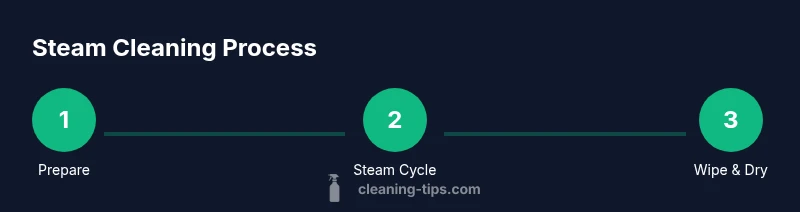
Start by removing all racks and accessories from inside the oven. Wipe down loose debris from the interior with a dry cloth. Place the heat-safe dish filled with water on the bottom rack or a designated liquid tray, ensuring it won’t slide during operation. If your oven supports a steam-clean mode, consult the manual to confirm the correct mode and duration. Use distilled water if possible to minimize mineral deposits on interior surfaces. Close the door and set the oven to its steam-clean setting or a high-heat, steam-appropriate cycle as recommended by the manufacturer. If you don’t have a dedicated steam cycle, running a high-heat, water-assisted cleaning through a standard bake cycle can work in some models.
The actual steam cleaning process: what to expect
Once the cycle starts, the oven will release steam for a set period. You may hear hissing or see visible condensation on the glass door. Allow the steam to work for the recommended duration, usually between 15 and 45 minutes depending on the cycle and model. During this time, avoid opening the door repeatedly, since sudden cold air can condense steam too quickly and hinder cleaning. After the cycle completes, wait 5–10 minutes before opening to let the interior cool slightly. Using a microfiber cloth, wipe away loosened residue while the interior is still warm but not hot. If stubborn spots remain, repeat a shorter steam cycle or switch to a gentle wipe with a non-abrasive scrubber. Always dry surfaces thoroughly to prevent mineral streaks and corrosion.
Dealing with stubborn grime: extra tactics
For areas with stubborn residue, you can reintroduce steam and apply gentle, targeted scrubbing rather than a full manual scrub. A light application of a baking-soda paste (baking soda mixed with water) on cold or warm surfaces can help, followed by another steam cycle to loosen the paste and lift it away. Alternatively, a white vinegar spray on lightly dampened surfaces can assist with mineral deposits and film buildup. Avoid harsh chemical cleaners inside the oven; they can emit strong fumes when heated and may interact with the enamel coating. If you have a glass door with heavy residue, apply a small amount of vinegar or baking-soda paste to a non-scratch sponge and wipe gently after the steam cycle, then rinse with a damp cloth. Cleaning Tips emphasizes patience and multiple gentle passes rather than aggressive scrubbing.
Post-cleaning care and maintenance tips
After steaming and wiping down, reinsert the racks and wipe them down on the outside as well. Dry the interior with a clean towel and leave the door ajar for a short period to ensure complete evaporation of residual moisture. Regular light steam cleans can prevent heavy buildup over time, reducing the need for deep scrubs. Schedule a monthly or bimonthly steam clean depending on how often you use the oven and what you bake. For frequent bakers, a quick weekly wipe-down using a damp cloth can help keep surfaces residue-free. Finally, inspect door seals and gaskets for wear and tear; if you notice gaps, address them promptly to maintain oven efficiency and safety. The Cleaning Tips team notes that consistent, gentle cleaning improves longevity and reduces the intensity of future cleanings.
Authoritative references and further reading
For safety and best practices, consult trusted sources. You can review industry guidelines and appliance safety resources from government and educational domains to supplement your Cleaning Tips approach. These references provide general guidance that complements hands-on kitchen cleaning routines and help you adapt steam cleaning to your specific oven model and household needs.