USA Clean: Practical Home Cleaning Guide
Discover a practical, step-by-step usa clean method to transform home cleaning. Learn safe, affordable techniques for kitchens, bathrooms, and living spaces—designed for homeowners and renters alike.


This guide helps you implement a practical usa clean routine that balances effectiveness with safety. You’ll learn a step-by-step method for pretreatment, surface selection, and routine maintenance using everyday, affordable cleaners. By following these steps, you’ll improve cleanliness, reduce chemical exposure, and make ongoing housework faster and more predictable.
Why usa clean matters
Cleaning isn't just about looking tidy; it's about creating a healthier living environment. A usa clean approach focuses on practical routines that fit homes across the United States, from city apartments to rural houses. Consistency beats intensity: small, dependable tasks every day accumulate into a noticeably cleaner home without burning out. According to Cleaning Tips, a steady rhythm reduces dust buildup, lowers indoor allergens, and makes surfaces safer to touch, especially in kitchens and bathrooms where families gather. The concept blends affordability with safety: you can rely on common cleaners found in most households rather than expensive specialty products. When you adopt usa clean, you also reduce waste by reusing cloths and choosing multipurpose cleaners. The goal is to empower homeowners and renters to maintain good hygiene with minimal disruption to daily life. In 2026, many households report that a clearly defined routine reduces frustration and increases confidence in managing chores. This guide translates that idea into concrete steps you can implement this weekend.
Top features of an effective cleaning routine
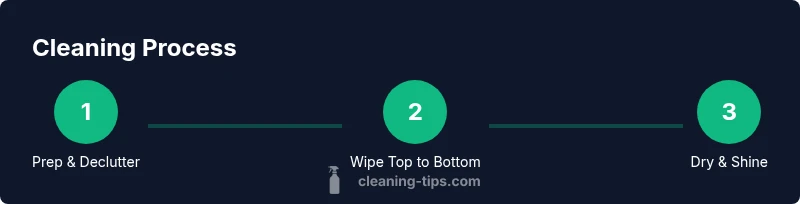
An effective routine has reliable structure, not heroic effort. Start with a simple weekly plan: designate a deep-clean day, and sprinkle light daily tasks throughout the week. Use microfiber cloths and a basic toolkit to minimize waste and maximize results. Choose safe cleaners, ideally those labeled for general use, so you can tackle multiple surfaces without switching products. Establish a top-to-bottom sequence to avoid recontaminating cleaned areas—wipe from high shelves down to floors, and dry surfaces after cleaning to prevent streaks. Schedule reminders on your phone or put a sticky note on the bathroom mirror to remember tasks. Build flexibility into the plan so you can adapt to guests, pets, or weather without abandoning the routine. The goal is a sustainable cadence that delivers predictable outcomes, not sporadic bursts of effort. Cleaning Tips emphasizes practical, affordable steps that anyone can implement in a typical American home to achieve steady progress toward a cleaner living environment.
Pre-cleaning preparation and safety
Preparation prevents chaos and reduces errors. Open windows to ventilate, pull back curtains to expose all surfaces, and remove items that could block access. Put on gloves to protect hands, and use eye protection if you’re applying strong cleaners. Gather your tools in a portable caddy so you don’t chase supplies while you work. Read product labels carefully to understand recommended dilutions and contact times. If you’re mixing cleaners, never combine ammonia and bleach or other household chemicals; the resulting fumes can be dangerous. Do a quick patch test on a hidden area before applying a cleaner widely, especially on delicate finishes like marble or wood. Keep children and pets out of the work area until you finish and the space is dry. This stage minimizes re-cleaning and helps you avoid accidental damage or irritation.
Surface-specific strategies for kitchen and bathroom
Kitchens and bathrooms accumulate grime quickly, but targeted strategies keep these spaces manageable. For counters and appliances in the kitchen, use a gentle all-purpose cleaner or a vinegar-water solution for most surfaces; avoid abrasive scrubs on sensitive finishes. Wipe in a consistent pattern—from back to front and top to bottom—to catch drips and prevent cross-contamination. For a stainless-steel sink and faucet, buff with a microfiber cloth to restore shine; avoid harsh scrubbers that scratch metal. In bathrooms, focus on the toilet, shower, and sink. Use a separate cloth for glass or tile to prevent cross-contamination. For glass shower doors, apply a gentle cleaner and wipe with a microfiber squeegee to reduce water spots. Rinse and dry thoroughly to prevent soap scum buildup. If you encounter mineral deposits, a baking soda paste can soften scale without scratching surfaces. This approach keeps surfaces safe and minimizes the need for harsh chemicals.
Eco-friendly cleaners and when to use them
Many households can reduce chemical load by using eco-friendly cleaners. A simple mix of white vinegar and water works well on glass, mirrors, and many countertops, while baking soda provides gentle abrasion for sinks and drains. For tougher grime, a paste of baking soda and water can do the job without resorting to harsher products. Hydrogen peroxide is a safe sanitizer for bathrooms when used correctly and never mixed with vinegar in the same container. Always label homemade mixtures with date and contents, and keep them out of reach of children. Remember that some surfaces—like natural stone, certain hardwood finishes, and marble—require special products or professional guidance. When in doubt, test in an inconspicuous area first. The usa clean mindset prioritizes safe, accessible options that work across a wide range of homes.
Maintenance habits to keep your home consistently clean
Consistency is easier when cleaning becomes a habit rather than a project. Set a daily 10-minute reset to pick up clutter, wipe high-traffic surfaces, and run a quick sweep of the floor. Schedule a deeper weekly cleaning that targets bathrooms, kitchen surfaces, and living areas. Invest in reusable cloths and a simple labeling system so everyone in the household participates. Track progress with a simple checklist and celebrate small wins to stay motivated. Store cleaners in clearly labeled containers, away from food, and keep your kit within reach of the primary rooms you clean. If you’re short on time, break tasks into two 5-minute sessions—this keeps momentum without overwhelming the schedule. Regular upkeep reduces buildup, making each cleaning cycle faster and more predictable. As Cleaning Tips notes, consistency creates lasting change in any home.
Outstanding pitfalls and how to avoid them
Common mistakes undermine a usa clean plan. Over-wetting surfaces can cause warping or mold; always use the minimal amount of liquid needed and dry thoroughly. Neglecting ventilation leads to stuffy rooms and irritates eyes and lungs; open windows or use a fan during cleaning. Mixing incompatible cleaners can release harmful gases; never combine bleach with ammonia or acids. Skipping surface tests can damage finishes; always try a small patch first. Finally, neglecting a plan makes cleaning feel endless; a simple, repeatable routine beats sporadic efforts every time. By avoiding these traps, you keep spaces healthier and faster to maintain, reinforcing the idea that clean is a habit, not a one-off event.
Authoritative sources
For further reference, cleaners and safety guidelines from trusted sources guide practical decisions. The U.S. Environmental Protection Agency (EPA) provides general guidance on household cleaning products and safe usage. The Centers for Disease Control and Prevention (CDC) offers considerations for cleaning to reduce exposure to pathogens in living spaces. The Occupational Safety and Health Administration (OSHA) outlines safe handling practices for cleaning agents and storage. These sources complement the practical approach from Cleaning Tips and support a sustainable, responsible habit of cleaning in any home.
Authoritative sources (continued)
Useful external references include: https://www.epa.gov/, https://www.cdc.gov/, https://www.osha.gov/
Tools & Materials
- spray bottle (16 oz)(Adjustable spray; fill with water or cleaner)
- microfiber cloths (set of 6)(Lint-free, reusable, absorbent)
- bucket (2-3 gallon)(For rinsing and carrying supplies)
- nitrile gloves(Protect hands; choose size that fits)
- sponges/scrub pads(Non-scratch for most surfaces)
- mop or microfiber mop(For floors; consider a washable pad)
- baking soda(Mild abrasive and deodorizer)
- white vinegar(General cleaner; avoid on stone)
- hydrogen peroxide (3%)(Sanitizer for bathrooms when used correctly)
- label maker or tape(Label homemade mixtures and cleaners)
Steps
Estimated time: 60-90 minutes
- 1
Gather supplies and set up
Collect all cleaning tools and products in a portable caddy. This prevents back-and-forth trips and helps you maintain momentum. Confirm labels, dilutions, and surface compatibility before you begin.
Tip: Organize items by zone to speed cleanup. - 2
Ventilate and prep surfaces
Open windows and doors to ensure airflow. Remove items from countertops and wipe down high-visibility areas first to set a clean tone for the rest of the space.
Tip: Turn on a fan to keep air moving while you work. - 3
Declutter and prioritize surfaces
Tidy up the area and identify surfaces that require more attention. Prioritize kitchens and bathrooms, then move to living areas to maximize impact with minimum effort.
Tip: Tace tasks into short, focused bursts to avoid fatigue. - 4
Apply cleaners and scrub from top to bottom
Apply cleaners starting from the highest surfaces, moving downward. Wipe in consistent strokes to prevent re-dirtying areas you already cleaned.
Tip: Let cleaners dwell on stubborn grime for a moment before scrubbing. - 5
Rinse, dry, and polish
Rinse surfaces with clean water or damp cloth, then dry with a separate microfiber cloth to prevent streaks and water spots. Finish with a quick polish on metal and glass.
Tip: Drying prevents mineral streaks and keeps finishes looking new. - 6
Set a maintenance schedule
Record a weekly deep-clean and a daily 10-minute reset. Assign tasks to household members and keep a visible checklist in a central area.
Tip: Use reminders to sustain the routine, not just once a month.
Questions & Answers
What does 'usa clean' emphasize in a household cleaning routine?
usa clean emphasizes practical, safe, scalable routines for homes across the United States, focusing on safety and efficiency.
usa clean focuses on practical, safe routines for homes in the U.S.
What supplies are essential for a basic usa clean routine?
Essential items include a spray bottle, microfiber cloths, a bucket, gloves, baking soda, vinegar, a sponge, and a mop.
You need a spray bottle, microfiber cloths, a bucket, gloves, baking soda, vinegar, a sponge, and a mop.
Can I use natural cleaners on all surfaces?
Natural cleaners are versatile but some surfaces require commercial cleaners or specific products; always test first and follow surface guidelines.
Test first on a hidden area; some surfaces need special cleaners.
How often should I deep clean bathrooms and kitchens?
Deep clean bathrooms and kitchens every 1-2 weeks depending on use; daily maintenance reduces buildup and keeps spaces fresh.
Deep clean weekly to biweekly, depending on traffic.
Is it safe to use vinegar for most cleaning tasks?
Vinegar is versatile but avoid on natural stone; do not mix with bleach and always test on surfaces first.
Vinegar is fine for many tasks, but don’t use on stone and don’t mix with bleach.
What are common mistakes to avoid in usa clean routines?
Avoid over-wetting, skip the ventilation, mix incompatible cleaners, and neglect testing on finishes; follow labels and use a simple plan.
Avoid mixing cleaners and ventilate; follow a simple plan.
Watch Video
The Essentials
- Develop a simple routine and commit to it
- Clean from top to bottom and dry surfaces
- Choose eco-friendly cleaners when possible
- Ventilate during cleaning
- Test cleaners on hidden areas before use