How to Clean a Washing Machine: A Practical Guide
Learn how to clean a washing machine safely, remove odors and residue, and extend its life with practical steps, simple tools, and a maintenance plan for both front- and top-loading models.


If you’re asking what clean a washing machine, you want a practical, safe routine to remove detergent residue, mold, and odor from a busy laundry cycle. Regular cleaning prevents musty smells, keeps wash results consistent, and protects seals and belts from wear. This guide by Cleaning Tips covers front- and top-loaders with a simple, repeatable plan you can fit into weekly or monthly routines.
What Clean a Washing Machine and Why It Matters
If you’re asking what clean a washing machine, you’re seeking a practical, safe routine to remove detergent residue, mold, and odor from a busy laundry cycle. Regular cleaning helps prevent musty smells, keeps washing results consistent, and protects seals and belts from premature wear. This Cleaning Tips guide walks homeowners and renters through a simple, evidence-based plan that works for front-loading and top-loading machines alike. You’ll understand the why behind each step, choose safe cleaners, and adapt the routine to your family’s detergent use, water hardness, and load size. By building a monthly cleaning habit, you reduce buildup and surprise repairs, and you keep laundry day efficient and pleasant.
Along the way, we’ll discuss the science of buildup (biofilm and mineral deposits), demonstrate best practices for avoiding harsh chemicals, and provide a maintenance schedule that fits a 30-60 minute window. With the Cleaning Tips approach, you’ll follow a clear, repeatable method rather than trial-and-error, and you’ll have a reference for future deep cleans.
According to Cleaning Tips Analysis, regular monthly deep cleans are particularly effective for households with hard water or high detergent usage, reducing mineral deposits and odor-causing residue. This guidance also aligns with common-sense maintenance practices you can perform in under an hour.
note null
Tools & Materials
- Microfiber cloth(One for dry wiping and one for damp wiping)
- Old toothbrush or small scrub brush(For gasket folds, dispensers, and crevices)
- Measuring cup(For liquids like vinegar or cleaners)
- White vinegar(5-8 oz per cycle, test on your drum first if unsure)
- Baking soda(1 cup for a secondary rinse or cycle)
- Mild dish soap(For tough residue in dispensers)
- Bucket or bowl(To mix cleaners or catch drips)
- Gloves(Protect hands during scrubbing)
- Owner’s manual (model-specific)(Check for manufacturer cautions about cleaners or cycles)
Steps
Estimated time: 60-75 minutes
- 1
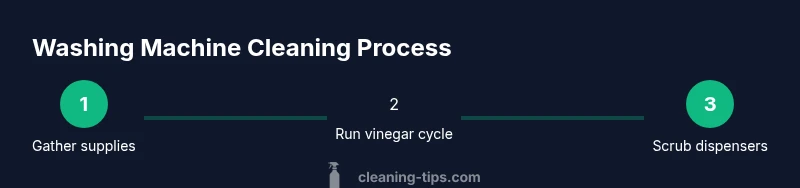
Gather supplies and prep the area
Collect all tools and cleaners in one spot. Clear the laundry area of clothes and detergent to prevent accidental spills. This setup saves you time and reduces the chance of leaving something behind mid-clean.
Tip: Lay out a towel to catch drips and keep the floor dry. - 2
Run an empty hot cycle with vinegar
Pour 5-8 oz of white vinegar into the detergent dispenser or drum and run a hot water cycle. This loosens residue and kills some odor-causing bacteria. Do not mix vinegar with bleach or ammonia.
Tip: Use the hottest safe setting your machine allows for maximum residue loosening. - 3
Clean the detergent drawer and dispensers
Remove the detergent drawer if possible and scrub the wells with warm water and a brush. Wipe the drawer housing and seals, paying attention to corners where detergent and softener accumulate.
Tip: Use an old toothbrush to reach tight crevices. - 4
Scrub the door seal and drum interior
Wipe the drum interior with a damp cloth and gently scrub the gasket folds to remove mold and soap scum. Pay particular attention to the rubber seal where moisture accumulates.
Tip: Keep the door slightly ajar after cleaning to promote air drying. - 5
Rinse with a baking-soda cycle
Run another hot cycle using 1 cup of baking soda to neutralize odors and lift residue. This step helps balance any vinegar tang and leaves a fresher scent.
Tip: If your machine has a dedicated cleaning cycle, you can use that instead of baking soda. - 6
Dry, air-out, and test
Wipe the drum, seal, and door with a dry cloth. Leave the door open for a while to dry completely and then run a short rinse cycle with just water to ensure all cleaners are flushed.
Tip: Avoid closing the door immediately after; air drying prevents mildew.
Questions & Answers
How often should I clean my washing machine?
Most households benefit from a deep clean every 1-3 months, depending on usage and water hardness. Regular quick wipes between loads help keep residues from forming.
Clean every one to three months; wipe down between uses for best results.
Can I use bleach in my washing machine for cleaning?
Bleach can be used in some machines, but you must follow the manufacturer’s guidelines. Do not mix bleach with vinegar or ammonia. Bleach can degrade seals if used too aggressively.
Check your manual first; avoid mixing cleaners and never exceed recommended amounts.
Is vinegar safe for all washing machines?
Vinegar is generally safe for many machines in small amounts, but some manufacturers warn against it on certain seals. Always test on a small area and avoid frequent use if your manual warns against it.
Vinegar is usually safe in moderation but check your model’s guidance.
What if I notice a musty odor even after cleaning?
Increase ventilation, run an extra rinse cycle, and consider a baking-soda cycle or a specialized washer cleaner designed for your model. Persistent odors may indicate mold growth in hard-to-reach areas.
If odors persist, add another rinse or use a tested cleaner product.
Should I clean the gasket and door seal?
Yes. The gasket is a common harbor for mold and mildew. Wipe with a damp cloth, then dry thoroughly. Use a brush for stubborn spots.
Yes—clean the seal regularly to prevent mold buildup.
What about hard water deposits?
Hard water can leave mineral deposits on the drum and seals. Use a descaler or baking-soda cycle, and consider water-softening additives if recommended by the manufacturer.
Hard water needs periodic descaling to prevent buildup.
Watch Video
The Essentials
- Regular monthly cleans prevent odor and buildup
- Use safe cleaners and follow manufacturer guidelines
- Clean the drum, gasket, and dispenser for best results
- Rinse and dry thoroughly to prevent mildew
- Establish a simple maintenance cycle that fits your schedule