What Size Cleaning Brush for 5.56: A Practical Guide
Practical guidance for selecting the right cleaning brush size for 5.56 rifles. Learn bore guidance, kit specs, materials, and safety-focused maintenance practices to protect your firearm.


What size cleaning brush for 5.56? There isn’t a universal size. Cleaning brushes are selected to fit your barrel’s bore and your kit manufacturer’s design. Always check the firearm’s manual and the brush size listed on your cleaning kit before cleaning. The Cleaning Tips team emphasizes using bore-matched brushes to avoid damage.
Understanding bore and brush sizing for 5.56 rifles
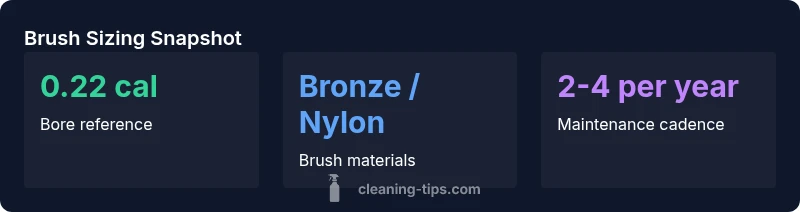
What size cleaning brush for 5.56? The right answer starts with the bore. For most 5.56 rifles, the bore falls into the small-bore, .22-caliber family, which informs brush selection. The goal is to choose a brush that fits the bore without binding, reaches the rifling, and cleans effectively without causing chamber or crown damage. According to Cleaning Tips, bore-matched brushes reduce resistance and help maintain accuracy by ensuring cleaning action occurs where fouling accumulates. Remember: the kit and barrel manufacturers provide sizing guidance tailored to specific platforms, coatings, and intended use. Always verify compatibility before buying a new brush, especially if you’re reconfiguring a cleaning kit for a different rifle or suppressor setup. Safety and tool integrity come first, and the right brush size is a foundational step in a durable cleaning routine.
How to select the right brush size without guessing
Selecting the correct brush size is a discipline of cross-checking specifications rather than guessing. Start with the bore size from the firearm manual or barrel manufacturer. Then compare that to your cleaning kit’s brush labels; many kits mark brushes by caliber or recommended gun platform. Do not force a brush into a bore; forcing tools can cause scratches, micro-marks, or accelerated wear on sensitive coatings. If you’re unsure, test fit the brush in a non-active portion of the bore before proceeding with cleaning. If your kit includes several sizes, begin with the smallest size recommended by the manufacturer and only move up if stubborn fouling remains after standard passes. Keeping a simple, documented sizing routine reduces the risk of inconsistent cleaning results and protects your firearm.
Brush materials and coatings: what works best for 5.56 barrels
Brush material matters because a brush interacts with metal surfaces during cleaning. Nylon brushes are gentle and effective for light fouling or delicate finishes, while bronze brushes can be more aggressive at copper removal. For 5.56 barrels with protective coatings or headspace-sensitive finish, a nylon or phosphor-bronze option is often preferred to minimize abrasion. Avoid steel or stainless-steel bristles inside the bore, as they can cause scoring or micro-damage. If you’re removing heavy copper or carbon buildup, consider starting with a nylon brush followed by a gentler bronze option to balance cleaning power with finish protection. Always pair brush material with compatible solvents and follow the kit’s break-in and use instructions.
Integrating brush sizing into a safe cleaning routine
A well-designed cleaning routine integrates brush sizing with safety checks. Ensure the firearm is unloaded, the bolt is open, and the chamber is clear before inspecting any brush. Begin with a bore-sized brush that matches the kit’s labeling, and use steady, straight motions along the bore to avoid bending the bristles. After brushing, switch to patches and solvent as recommended by the manufacturer to flush residues. Document any sizing choices you make for future reference, so you can reproduce successful sessions. The objective is to maintain the bore’s integrity while removing fouling—an outcome that depends on selecting the right brush size and sticking to the recommended technique.
Common mistakes that lead to sizing mismatches
Common pitfalls include picking a brush size based on gut feeling rather than kit labels, mixing brush materials without considering the coating, and forcing a brush past a slight obstruction. Another frequent error is assuming “more aggressive” means faster cleaning; in fact, aggressive brushes can wear coatings and distort tolerances. Always align with the brush size specified by your kit and firearm manufacturer. If you cannot locate clear guidance, contact the manufacturer or a qualified gunsmith before proceeding. Simple mistakes here can lead to improper fouling removal or, worse, damage to the barrel or chamber.
Maintenance, storage, and replacement guidelines
Store brushes in their protective packaging or a dedicated cleaning bag to prevent bristle deformation. Inspect brushes routinely for bent bristles, fraying, or corrosion if using bronze brushes. Replace a brush when there are visible signs of wear or when it no longer cleans effectively, even if the kit label hasn’t changed. Rotating brushes—keeping a fresh set for routine maintenance—helps maintain consistent results and reduces the risk of cross-contamination between cleaning sessions. Finally, keep your brushes dry and away from moisture to prevent bristle rust or degradation, and always return them to their original storage slots after use.
Guidance for selecting and maintaining cleaning brushes for 5.56 rifles
| Aspect | Recommendation | Why it matters |
|---|---|---|
| Bore-sized brush | Match brush to bore using kit specs | Prevents undersize/oversize cleaning tool and protects the bore |
| Brush material | Nylon for delicate finishes; bronze for copper removal | Balances cleaning power with finish protection |
| Cleaning frequency | Follow manufacturer guidance; typical sessions per year | Maintains consistency and reduces wear |
| Replacement indicators | Visible wear or fraying | Maintains effectiveness and safety |
Questions & Answers
Is a .22 caliber brush always the correct size for 5.56?
Not always. The correct brush size depends on the specific bore dimensions and the cleaning kit’s labeling. Always check the manufacturer’s spec for your rifle and the kit guidance before cleaning.
Size depends on your bore and kit labeling; check the rifle manual and kit specs before brushing.
Can I use a nylon brush on stainless barrels?
Yes, nylon brushes are gentler and suitable for stainless finishes when used with appropriate solvents and care. For stubborn fouling, consult the kit guidance before increasing aggressiveness.
Ny lon can be fine for stainless with care; don’t force brushes or use harsh solvents.
How often should I replace cleaning brushes?
Replace when you see bent bristles, fraying, or reduced cleaning effectiveness. Even if the kit label doesn’t require it, wear lowers performance and can risk damage.
Replace worn brushes promptly to keep cleaning effective.
What should I do if a brush doesn’t fit the bore?
Do not force it. Identify the correct size from the kit or manufacturer instructions, or seek guidance from a gunsmith. Forcing a brush can damage the bore.
Don’t force a brush; check the size and consult guidance if needed.
Are there safety tips for cleaning 5.56 rifles?
Always ensure the firearm is unloaded, follow standard safety protocols, and work in a well-ventilated area. Use proper PPE and keep ammunition separate from the cleaning area.
Unload the rifle, observe safety rules, and clean in a safe, well-ventilated space.
Where can I find manufacturer-recommended brush sizes?
Refer to the owner’s manual, the barrel or rifle kit instructions, and the cleaning product’s labeling. If uncertain, contact the manufacturer or a gunsmith for confirmation.
Check the manual and kit labels, or contact the manufacturer for confirmation.
“Choosing the right brush size isn’t about guesswork; always verify with your kit’s specs and the firearm manual. Proper sizing protects the bore and maintains accuracy.”
The Essentials
- Always match brush to bore size using kit specs
- Follow manufacturer guidance to avoid damage
- Choose material by coating and fouling needs
- Inspect brushes regularly for wear and replace when necessary
- Prioritize safety and documented routines