What Size Cleaning Brush for 6.5 Creedmoor A Quick Guide
Learn the exact brush size for cleaning a 6.5 Creedmoor, how to verify fit, and safe techniques. This Cleaning Tips guide helps you select the right bore brush and protect your rifle.


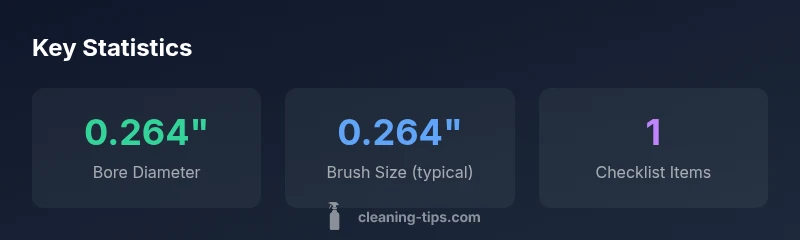
For a 6.5 Creedmoor, the bore diameter is about 0.264 inches, so choose a bore brush that matches that size. If your patching system requires it, you may select a brush that is slightly undersized, but avoid a brush that significantly overshoots the bore. Always verify fit and test before cleaning to prevent damage.
What size cleaning brush for 6.5 Creedmoor
The question often surfaces for hobbyists and sport shooters: what size cleaning brush for 6.5 Creedmoor? The short answer is to start with a bore brush that matches the bore diameter, which for this caliber is approximately 0.264 inches. Matching the brush to the bore helps ensure even scrubbing of the lands and grooves without risking excess friction that might nick the rifling. If your cleaning system calls for a slightly smaller brush to leave room for patches, make a careful judgment based on fit and practice. The key is to avoid brushes that are clearly oversized or undersized for the bore, as either extreme can compromise cleaning efficiency and bore integrity. Cleaning Tips finds that aligning brush size with bore diameter yields more consistent results and reduces stray copper fouling.
How bore size translates to brush sizing
Caliber size is typically defined in inches for rifles used in the U.S., with the Creedmoor family using a .264-inch bore. That measurement translates directly to brush sizing—most kits label brushes by bore diameter. In practice, you’ll want a brush labeled for .264 inches or one labeled for the 6.5mm category that explicitly matches the Creedmoor’s bore. If you must choose between two sizes close to the bore, select the one that offers the closest contact without binding. Remember that tolerances vary between manufacturers, so always confirm the actual brush diameter when you buy a kit.
Material considerations: bronze vs nylon
Brush material matters for how aggressively it scrubs copper fouling and how forgiving it is of the barrel surface. Bronze brushes remove copper more aggressively and are common for copper fouling, while nylon brushes are gentler and excellent for finish maintenance or when the bore is heavily scarred. For a clean, consistent result on a 6.5 Creedmoor, many shooters start with bronze for copper removal and finish with nylon for a gentler pass. If you shoot predominantly lead-free and copper-free ammunition, nylon alone may be sufficient for routine maintenance, but bronze remains a staple for more stubborn fouling.
Practical steps to verify brush size before cleaning
Before committing to a cleaning pass, verify the brush size with a quick fit check. Use calipers to confirm the brush diameter equals the bore or is within a tolerance window set by your kit. Place the brush in the bore without any force; the brush should slide freely but still seat against the chamber end when used with a guide. If the brush binds or wobbles excessively, it’s not the right size for the bore. Always perform a dry-fit check with the rod, then re-check after applying solvent to ensure no binding occurs under cleaning conditions.
Choosing the right cleaning kit for 6.5 Creedmoor
Select a kit that clearly labels the bore size for rifle calibers. Look for brushes labeled .264 inches or those explicitly listed for 6.5mm rifles. A compatible kit should include a clean rod with proper threading, a selection of brushes in the bore’s size range, and patches of appropriate thickness. If you are between sizes, prefer the slightly larger option that still completes a smooth motion through the bore with solvent and patch work. A well-matched kit reduces the risk of brush misfit and helps maintain bore integrity over time.
Step-by-step cleaning workflow for 6.5 Creedmoor
- Field strip the rifle and remove excess debris. 2) Apply a gun-safe solvent to the bore with care. 3) Attach the brush sized to the bore diameter and insert slowly, avoiding abrupt pressure. 4) Push the brush a few times to scrub the lands, then switch to patches to remove loosened fouling. 5) Rinse with clean patches until they come out light. 6) Dry the bore completely before applying any oil or protective coating. 7) Inspect the bore for any signs of wear or unusual copper streaks. 8) Store the cleaning kit in a dry, protected location.
Common mistakes and troubleshooting
Common mistakes include forcing an undersized brush or using a brush that’s too large; both can distort the bore’s profile and create copper fragments. Do not reuse patches that show heavy fouling, as they can re-deploy contaminates back into the bore. If you notice binding, stop and re-check brush size and fit. When copper build-up persists, rotate to a brush type designed for tougher fouling and consider a solvent with a stronger copper-removal formulation, always following manufacturer directions.
Maintenance and storage of brushes
After cleaning, rinse brushes with clean solvent and dry them thoroughly to prevent rust. Store brushes in a clean, dry case to preserve their shape and prevent stray fibers. Inspect brushes for bent bristles before next use, and replace any that show wear. A well-maintained brush retains consistent performance and reduces the risk of scratching the bore during future cleanings.
Verification checks after cleaning
Run a final dry patch through the bore to confirm no solvent remains and to check for uniform resistance along the bore’s length. A clean bore should present minimal residue and a steady pull through the chamber and throat. If you feel any rough spots that persist, re-clean using a fresh brush from the correct size set and re-check fit. Ongoing habit of thorough checks keeps the bore in prime condition.
Safety considerations when cleaning long guns
Always follow basic gun-safety rules: keep the muzzle pointed in a safe direction, ensure the firearm is unloaded, and keep components away from heat sources. Wear eye protection when dealing with solvents and consider a dedicated cleaning mat or tray to minimize slip hazards. Use only manufacturer-recommended solvents and lubricants, then wipe away any residue to prevent a slippery surface that could lead to mishandling during reassembly.
What to do if you can't find exact brush size for your bore
If an exact 0.264-inch brush isn’t available, opt for the closest size label and verify fit carefully with a dry run. Many shooters keep a small set of near-size brushes to compare against the bore with calipers. In tight tolerances, consider contacting the kit manufacturer for guidance on alternative sizes that retain effective cleaning without risking bore damage.
Real-world takeaways for consistent results
In practice, keeping a consistent brush size aligned with the bore’s diameter yields reliable cleaning results and reduces stray copper fragments. Regularly verify brush size against the bore, especially after purchasing a new kit or switching manufacturers. A disciplined approach to brush sizing improves reliability, protects rifling, and extends the life of your Creedmoor rifles.
Comparison of brush sizing guidance for 6.5 Creedmoor bore cleaning
| Aspect | Guidance | Notes |
|---|---|---|
| Bore diameter | 0.264 inches | Creedmoor standard |
| Brush size guidance | Match bore size | Verify fit before use |
| Alternate options | 0.27-0.28 inches (slightly larger) | Use only if needed and verified |
Questions & Answers
What size brush should I use for a 6.5 Creedmoor?
Use a bore brush that matches the bore diameter, typically around 0.264 inches. Always verify fit before cleaning to prevent damage.
Use a brush that matches the bore diameter and test fit before cleaning.
Can I use nylon brushes for copper fouling on a Creedmoor?
Nylon brushes are gentler and good for routine maintenance, but bronze brushes are often preferred for stubborn copper fouling. Choose based on fouling level and bore condition.
Nylon is gentler for routine cleaning; bronze is better for stubborn fouling.
How do I measure brush size accurately?
Use calipers to measure the brush diameter and compare to the bore. Confirm that the brush slides in with a light, even feel and does not bind.
Measure the diameter with calipers and test-fit in the bore.
What if I can’t find an exact 0.264 inch brush?
Choose the closest labeled size and verify fit with a dry run. If in doubt, consult the kit manufacturer for alternatives.
Pick the closest size and verify fit; ask the manufacturer if unsure.
Is it safe to clean with water or solvents in the bore?
Use solvents designed for firearms and avoid excessive water exposure. Dry the bore thoroughly after cleaning to prevent corrosion.
Use appropriate solvents and dry the bore completely after cleaning.
“Accurate brush sizing reduces bore wear and ensures effective cleaning without damaging the rifling.”
The Essentials
- Match brush size to bore diameter for best cleaning
- Verify fit with calipers before cleaning
- Bronze for copper fouling, nylon for finishing passes
- Avoid forcing brushes that bind or wobble
- Maintain and store brushes properly to extend life