What to Do If a Cleaner Steals: A Practical Guide
Learn practical, step-by-step actions to take if a cleaning service steals, including reporting, documenting, insurance steps, and prevention tips for a safer home in 2026.


If you suspect a cleaner has stolen items from your home, act calmly and promptly: secure your home, document what’s missing, contact local police, notify the cleaning agency, and file a claim with your insurer if applicable. This guide walks you through documentation, reporting, and prevention to help you recover losses and reduce risk in the future.
What to Do Immediately After a Suspected Theft
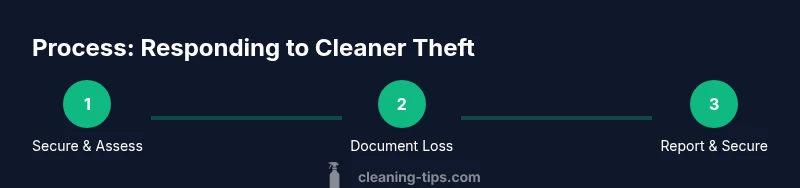
According to Cleaning Tips, the moment you realize something is missing, prioritize safety and documentation. Do not confront the cleaner on-site; instead, step away from potential confrontation and secure valuables and sensitive information. If there is an imminent threat or you feel unsafe, call local emergency services. Create a quick inventory of missing items, noting serial numbers, approximate values, and when you last saw them. If you use home security cameras, preserve footage and export any relevant clips. Reach out to the cleaning service’s main office to report the incident and request a written acknowledgment. Throughout this process, stay organized with timestamps, receipts, and contracts. Cleaning Tips analysis shows that quick, organized reporting improves outcomes for affected households in 2026.
Documenting the Incident: Inventory, Evidence, and Timelines
Take precise stock of what’s missing, including electronics, jewelry, cash, or key documents. Photograph or video any visible damage or signs of forced entry. Gather receipts, recent payments, or contracts with the cleaner. Compile timelines: when the cleaner started, when you noticed the loss, and any communication you had with them or the agency. Store copies of everything in a dedicated folder—digitally and physically. If you have surveillance footage, back up the footage to a secure location. This documentation will support police reports, insurance claims, and any disputes with the cleaning agency.
Reporting to Authorities and the Cleaning Agency
File a police report promptly, providing a detailed inventory, timeline, and any evidence. Obtain a copy of the report and the incident number for future reference. Notify the cleaning agency in writing, with a clear description of the incidents, dates, and requested actions (investigation, replacement, or termination). If the cleaner is licensed or bonded, report the incident to the licensing board or agency that regulates cleaning services in your area. Maintain copies of all correspondence and responses. Prompt reporting helps with criminal investigations and may enable insurance coverage considerations.
Insurance and Financial Steps: Can You Be Reimbursed?
Check your homeowners or renters insurance policy for theft coverage and whether it extends to service providers. Some policies cover losses due to a trusted contractor or employee if negligence or theft is proven. Contact your insurer with your police report, evidence, and an itemized list of losses. If you have a separate jewelry or high-value item rider, submit those claims separately. Keep meticulous records of your communications with the insurer, including claim numbers and adjuster details. In many cases, insurers require a police report before they authorize a theft claim, so start that process early.
Securing Your Home and Personal Data Post-Incident
After reporting, change door locks, alarm codes, and access permissions for smart devices. Review shared calendars, keys, and entry procedures you granted to the cleaner or agency. If you used online payment platforms with saved payment methods, consider updating or removing saved cards and enabling two-factor authentication. Review mail and bank statements for suspicious activity. If you have pets or children, ensure their safety temporarily and keep a list of emergency contacts handy. These steps reduce risk of further incidents and protect your household going forward.
Preventive Measures for Future Cleanings
To prevent a similar incident, vet cleaners thoroughly before hire: request written references, run background checks where available, verify licensing or bonding, and confirm the company’s theft policy. Use a reputable agency rather than an individual contractor when possible, and insist on a formal contract outlining payment terms, cancellation policy, and inventory handling. Establish a check-in policy—count items before and after visits, and require cleaners to sign off on the inventory list. Consider a system for reporting concerns quickly so small issues don’t escalate.
AUTHORITY SOURCES
- https://www.usa.gov/report-crime
- https://www.fbi.gov
- https://www.ftc.gov
Tools & Materials
- Phone with camera(Capture timestamps, photos of missing items, and any damage.)
- Notebook or note-taking app(Record dates, conversations, and inventory items.)
- Inventory checklist(A pre-formatted list of common household items to verify losses.)
- Evidence bags or secure storage(For securing possible physical evidence.)
- Copies of contracts or receipts(Keep for reference when contacting the agency or insurer.)
Steps
Estimated time: 2-4 hours (varies by incident complexity and number of items)
- 1
Secure the scene and assess safety
Ensure you and everyone in the home are safe. If there is an immediate danger, call emergency services. Do not confront the cleaner on-site. Gather yourself and move to a safe area while you collect high-priority items and evidence for later.
Tip: Document the moment you realize the loss with a timestamp and photos if safe to do so. - 2
Create a missing-items inventory
List everything you believe is missing, including approximate values and serial numbers. Note when you last had access to those items and any suspicious activity around cleaning visits.
Tip: Use the inventory checklist to avoid missing items during the initial rush. - 3
Preserve and collect evidence
Save surveillance footage, screenshots of messages, receipts, and any contracts. Export video clips and back them up in a secure location. Keep originals intact for police and insurance reviews.
Tip: Avoid deleting any footage or messages until you have filed reports. - 4
Report to police and document the incident
File a police report with the detailed inventory and evidence. Obtain the report number for insurance and agency filings. Document all actions taken and who you spoke with at each step.
Tip: Ask for a printed copy of the police report and a digital copy for your records. - 5
Notify the cleaning agency in writing
Send a formal written report to the cleaner’s company or licensing body. Include dates, items, evidence, and your desired outcome (investigation, replacement, termination).
Tip: Request a written acknowledgment and a timeline for their response. - 6
Review insurance options
Contact your insurer with the police report and itemized list of losses. Discuss whether your policy covers theft by a service provider and what documentation is required.
Tip: Upload all documents to a secure claim file and keep copies. - 7
Implement security enhancements
Change locks, update alarm codes, and tighten access to sensitive areas. Review who has keys or digital access and revoke as needed.
Tip: Consider a temporary schedule or stricter background checks for future cleaners. - 8
Plan prevention for future visits
Choose vetted agencies, set clear inventory expectations, and establish a check-in system for each visit. Maintain ongoing documentation of items and conversations.
Tip: Regularly review and update your cleaning contracts and policies.
Questions & Answers
What should I do first if I suspect theft by a cleaner?
Prioritize safety, secure your home, document missing items, and contact local law enforcement. Notify the cleaning agency in writing and start gathering evidence for a police report.
First, stay safe, document what’s missing, and call the police. Then contact the cleaning agency and start gathering evidence.
Can I sue a cleaner for theft?
Suing is possible if you have solid evidence and contractual remedies. Consult a local attorney to review the contract, evidence, and applicable state laws.
You can pursue a civil claim if there’s solid evidence and a written contract; talk to a local attorney about your options.
Should I confront the cleaner about the theft?
Avoid on-site confrontation. Let authorities handle the situation and rely on written communications with the agency for accountability.
Don’t confront the cleaner on site; let the police and agency handle it and keep all discussions in writing.
Will my homeowners or renters insurance cover losses from theft by a cleaner?
It depends on your policy. Some plans cover theft by a service provider if negligence or breach of contract is proven. Check with your insurer.
Some policies cover service-provider theft; check your terms and contact your insurer for specifics.
How do I report to the cleaning agency or licensing body?
Submit a formal written report with dates, missing items, and evidence. Request a written acknowledgment and ask for next steps or investigation.
Write to the agency with details and evidence, and ask for a written acknowledgment and next steps.
How long does it take to resolve a theft involving a cleaner?
Resolution time varies; police investigations and insurance claims can take weeks. Stay engaged and request regular updates.
It can take weeks; stay in touch with the authorities and your insurer for updates.
Watch Video
The Essentials
- Act quickly and document losses.
- Report to authorities and the agency promptly.
- Secure your home and data to prevent further risk.
- Review insurance options for potential reimbursement.
- The Cleaning Tips Team recommends thorough vetting and contracts to prevent future incidents.