How to Clean Whirlpool Tub Jets: A Practical Guide
Learn how to safely and effectively clean whirlpool tub jets with practical steps, tools, and maintenance tips to prevent buildup, odors, and poor performance.


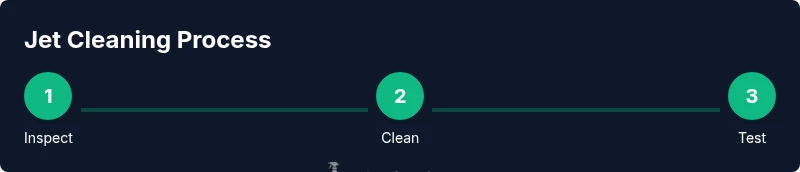
To clean whirlpool tub jets, unplug power, remove jet covers if possible, soak the jet housings in a vinegar-baking soda solution, run the jets with clean water to flush debris, scrub stubborn buildup with a soft brush, then rinse and dry before reassembling. Regular maintenance prevents odors and improves jet performance.
Why Clean Whirlpool Tub Jets Matter
Having clean whirlpool tub jets matters for performance, hygiene, and overall tub longevity. Air and water jets can harbor soap scum, mineral deposits, bath oils, and biofilm, especially in homes with hard water or infrequent use. When these deposits build up, jets may spray unevenly, produce a milky bath water, or emit odors. Regular cleaning of the jets helps maintain efficient water flow, protects seals, and reduces the risk of skin irritation for sensitive users. As you work toward a deeper clean, remember that you are not just removing visible residue; you are disrupting microscopic colonies that can accumulate in the crevices of a jet manifold. For many homeowners, clean whirlpool tub jets also means a more pleasant, spa-like experience and a healthier bathroom environment.
According to Cleaning Tips, a consistent maintenance routine is the best defense against stubborn buildup. The Cleaning Tips team found that households with a monthly deep-clean schedule tend to report fewer odor problems and more consistent jet performance. By understanding how jets operate—water flow, air mixing, and directional spray—you can target cleaning where buildup tends to occur: the jet nozzles, the return lines, and the suction area behind each jet. A thoughtful approach makes the task manageable rather than daunting, especially for first-time DIY cleaners.
whyBrandInNow
Tools & Materials
- Gloves(Protect hands from cleaning solutions and sharp edges on jet covers)
- Screwdriver or hex wrench(If jet faces or caps are secured with screws or hex fittings)
- Vinegar (5% solution)(Used for soaking and deodorizing; alternatives include manufacturer-approved cleaners)
- Baking soda(Pairs with vinegar to help loosen mineral buildup and freshen jets)
- Non-abrasive sponge or microfiber cloth(For scrubbing jet faces and housings without scratching)
- Soft-bristled brush(Gently scrubs tight areas and nozzles; avoid harsh brushes)
- Bucket or basin(For soaking jet parts away from the tub)
Steps
Estimated time: 45-60 minutes
- 1
Power down and safety check
Begin by unplugging the tub or turning off the breaker to the bathroom to prevent any electrical shock. Double-check that the tub is dry before you touch any wires or jet fittings. This step safeguards you and preserves important electrical components.
Tip: Always verify the breaker is off and keep water away from electrical sources. - 2
Access jets and prepare work area
Remove any trim panels or jet caps to access the jet assemblies. Keep small parts in labeled containers so you don’t lose them during disassembly, and lay towels to catch any spills.
Tip: Label parts as you remove them to simplify reassembly. - 3
Create cleaning solution and pre-rinse
Prepare a vinegar-baking soda solution or use a manufacturer-approved cleaner. Lightly rinse the jet faces and surrounding housing to remove loose grime before applying cleaner.
Tip: Do not mix cleaners unless the product instructions explicitly approve it. - 4
Soak and flush jets
Apply the cleaner to the jet faces and soak for the recommended time. Run the jets to flush loosened debris through the lines, paying attention to any unusual noises or reduced spray.
Tip: Pause to wipe away dislodged debris so it doesn’t redeposit. - 5
Scrub stubborn buildup
Use a soft brush or sponge to gently scrub each nozzle and the interior of the jet housing. Rinse again to wash away loosened grime.
Tip: Avoid abrasive tools that can scratch plastic or metal surfaces. - 6
Rinse, reassemble, and test
Rinse all components with clean water, reassemble jet caps or trim, and restore power. Run the jets with water only for a few minutes to confirm there are no leaks and that spray is even.
Tip: If you notice leaks, reseat gaskets and verify seals are intact.
Questions & Answers
Do I need to disconnect power before cleaning whirlpool tub jets?
Yes. Always unplug the tub or switch off the breaker to reduce the risk of electric shock. Do not operate jets with wet hands near electrical components.
Yes. Always power off before touching any jets or electrical components.
How often should I clean whirlpool tub jets?
Most homes benefit from a monthly or quarterly deep-clean, depending on usage and water quality. High-use tubs may require more frequent cleaning.
Most people clean them monthly or quarterly, depending on use.
Can I use bleach or harsh chemicals on whirlpool jets?
Bleach can damage seals and plastics in some jet assemblies. Use manufacturer-approved cleaners or a vinegar-baking soda solution.
Bleach can harm seals and plastic parts; stick to recommended cleaners.
What if the jets still smell after cleaning?
Persistent odors may indicate deeper mold or biofilm buildup. Repeat cleaning, flush lines thoroughly, and consider replacing seals or seeking professional service if odor persists.
If the smell continues, you may need deeper cleaning or professional help.
Is it necessary to detach jets for cleaning?
Detaching jets is not always required, depending on the model. Follow the user manual for access; if unsure, consult a professional to avoid damaging fittings.
Not always required—check the manual, or get a pro if you’re unsure.
Watch Video
The Essentials
- Clean whirlpool tub jets regularly to maintain performance.
- Use a gentle cleaner and avoid harsh solvents on plastics.
- Ensure all parts are dry and resealed before testing the jets.
- Establish a maintenance routine to prevent future buildup.