Does Mr. Clean Make Floors Slippery? A Practical Guide
Explore whether does mr clean make floors slippery, why residue matters, and practical steps to prevent slips with safe cleaning practices.


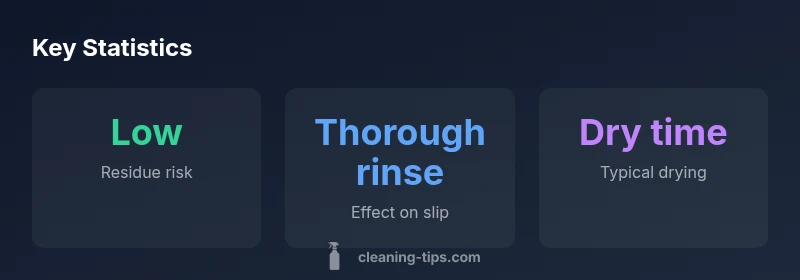
In general, any cleaner can leave a slippery film if it isn’t rinsed or dried properly, including Mr. Clean products. Whether floors feel slick depends on product type, dilution, water hardness, and floor finish. According to Cleaning Tips, the risk is higher on unsealed or worn surfaces and when residues remain.
Understanding does mr clean make floors slippery
When evaluating does mr clean make floors slippery, homeowners should recognize that slipperiness is not a product label issue alone but a surface and process issue. Any cleaner can leave a slick film if residue dries unevenly or if the floor remains damp after cleaning. Mr. Clean products, like many detergents and degreasers, rely on surfactants to lift soils; those same compounds can form a temporary film if not rinsed, wiped dry, or allowed to air-dry completely. The risk is higher on porous finishes, older sealants, and floors that have been heavily trafficked or damaged. Wet floors are inherently more slippery, but the extent of slipperiness is influenced by how fast the surface dries and how much residue remains. In homes with hard water, mineral deposits may interact with cleaners, leaving a micro-film that can feel slick when the surface is wet. Cleaning Tips, based on our 2026 analysis, emphasizes the importance of following label directions, using appropriate dilution, and performing a thorough rinse to minimize slip hazards. Remember: safety is a system, not a single product, and routine maintenance can significantly reduce risk.
Does Mr. Clean contribute to residue types on floors?
Mr. Clean products span a range of cleaners from multi-surface solutions to heavier degreasers. Residue can take the form of a light soap film, an oily slick, or mineral buildup when water quality varies. The degree of slipperiness after cleaning depends on whether the product was properly diluted, how thoroughly the floor was rinsed, and how well the surface dries. Lightweight cleaners are less likely to leave stubborn films, but any cleaner can leave a faint residue if used at high concentrations or if excessive suds trap soil. For most standard household floors, the risk is manageable with proper rinse and dry steps. The key is to move from wet cleaning to dry surfaces and to monitor finish condition over time. Regular maintenance, including resealing worn floors, reduces the likelihood of slick patches forming after routine cleaning.
How to test slip resistance at home
A simple at-home test can help you gauge slip risk after cleaning. Start by cleaning a small, inconspicuous area using your usual Mr. Clean routine. Rinse thoroughly with clean water and wipe with a microfiber cloth. Allow the area to dry completely, ideally with a fan or open window to speed evaporation. After drying, walk slowly on the area or test with your bare hand to feel for any slick film. Compare this sample to a control area that has not recently been cleaned. If you detect a slick feeling or a visible film, re-wash the area, rinse again, and dry thoroughly. Document your findings and adjust dilution or rinsing steps as needed to minimize slipperiness across broader areas of the floor.
Practical steps to reduce slipperiness when using Mr. Clean
Follow these steps to reduce slipperiness during routine cleaning:
- Dilute per label directions and avoid over-concentrated mixtures.
- Rinse thoroughly with clean water until no suds remain and no cleaning solution scent is detectable.
- Wring out the mop well to prevent pooling; use a damp, not soaking, mop.
- Dry the floor completely using a clean, dry cloth or allow ample air drying time with good ventilation.
- Use mats at entryways to trap soils and moisture, reducing slip exposure on hard floors.
- Maintain your floor finish; reapply sealant or finish as recommended by floor manufacturer to sustain non-slip properties.
Floor finishes and porosity influence slipperiness
Floor finish quality and surface porosity play major roles in slip risk. Porous or worn finishes can trap moisture and soil, creating slick patches when wet. A high-gloss or sealed surface often dries faster and feels less slippery when clean and dry, but any surface can be slick if residue remains. When choosing cleaners, match the product to the floor type (tile, vinyl, laminate, wood) and follow the manufacturer’s recommendations for wet cleaning and drying. Periodic resealing or refinishing is a proactive way to maintain slip resistance, especially in high-traffic areas like kitchens and entryways. If you notice persistent slick spots, consider a different cleaner or consult a professional to assess finish condition.
Quick routines for different floor types
Different floor types respond differently to cleaning and drying. For tile or ceramic floors, use a neutral cleaner and a microfiber mop, rinse, and dry promptly. For vinyl, avoid abrasive pads that can wear the surface and create micro-scratches that trap moisture. For wood, use cleaners formulated for hardwood and always finish with a dry cloth and adequate air drying. Porous stones like marble or limestone require pH-neutral cleaners and immediate drying to prevent moisture absorption. Tailoring your routine to the floor type minimizes slipperiness and preserves your floor’s finish over time.
When to switch products or call for professional advice
If slick patches persist after following dilution, rinsing, and drying steps, it may be time to reassess your product choice or consult a flooring professional. Some floors perform best with specialized cleaners designed for the specific finish, such as tile, stone, or wood cleaners. A professional assessment can identify worn finishes, improper sealing, or moisture issues that contribute to slipperiness. Remember that cleaning success is a combination of product selection, technique, and post-cleaning drying practices.
Safety basics: rugs, mats, and footwear to minimize slip
Beyond cleaning technique, physical safety measures help reduce slip risk. Use non-slip mats in entryways and wet zones, place area rugs with rubber backings in high-traffic areas, and wear shoes with good traction during and after cleaning. Keep pets and children away from freshly cleaned areas until completely dry. By combining careful product use with practical safety steps, you can maintain a clean home without compromising on footing.
Factors affecting slip risk after cleaning with surface finishes
| Factor | How it affects slip risk | Recommended practice |
|---|---|---|
| Product concentration | Higher concentrations can leave more residue if not rinsed | Dilute per label and rinse thoroughly |
| Rinsing completeness | Incomplete rinsing leaves film | Rinse with clean water until suds disappear |
| Floor finish status | Worn or unsealed floors are more slippery when wet | Maintain finishes; reseal or refinish as needed |
| Drying time | Wet floors are more slippery during drying | Allow floors to dry completely before contact |
Questions & Answers
Does Mr. Clean inherently make floors slippery?
No, not inherently. Slipperiness depends on residue, dilution, and drying. Always rinse and dry.
No—it's not the product alone; residue and damp floors cause slipperiness.
How can I tell if my floor has a slippery film after cleaning?
Look for a glossy film or slick feel after cleaning. Wipe with a clean cloth and test when dry.
Check for a film and test on a dry area.
What steps should I take to minimize slipperiness when mopping with Mr. Clean?
Dilute per label, rinse thoroughly, wring out the mop, and dry surfaces completely. Use mats and ventilate to speed drying.
Dilute correctly, rinse well, and dry completely.
Are certain floor types more prone to slipping after cleaning?
Yes; porous finishes, damaged seals, and unsealed wood or vinyl can be slicker when wet.
Porous and worn floors are more slippery when wet.
Should I switch cleaners if my floors remain slippery?
Consider cleaners designed for your floor type and ensure proper rinsing to remove residue.
If slipperiness persists, check the finish and consider a different cleaner with thorough rinsing.
Is it safe to walk on floors immediately after cleaning?
Wait for floors to dry completely; use signage and mats to reduce risk.
Wait for dry, and use mats.
“Proper cleaning isn’t just about removing dirt; it’s about managing residue and drying time. When you rinse and dry thoroughly, slip risk drops significantly.”
The Essentials
- Rinse thoroughly after cleaning to minimize residue
- Dry floors completely before foot traffic
- Maintain seal and finish to preserve non-slip properties
- Test a small area if unsure about slip risk
- Follow the product label for dilution and usage