Can Mr Clean Be Used on Vinyl Floors? A Practical Guide
Discover whether Mr Clean is safe for vinyl floors, how to use it properly, and how to avoid damage. A complete Cleaning Tips approach with dilution, testing, drying, and maintenance for durable vinyl finishes.


can mr clean be used on vinyl floors? Yes, when you dilute the cleaner according to the label and use a soft mop. Avoid abrasive pads and never apply concentrated cleaner directly to the floor. Test a small area first, rinse as directed, and dry the surface to prevent residue.
Can Mr Clean Be Used on Vinyl Floors? What You Need to Know
Vinyl floors are a popular choice in homes for their durability and ease of maintenance. The question can mr clean be used on vinyl floors often comes up because homeowners want a familiar cleaner to simplify routines. The short answer is: you can, but only with a mild, properly diluted solution and careful technique. The Cleaning Tips team emphasizes minimizing residue and protecting the floor’s protective wear layer. By selecting a vinyl-safe formulation and avoiding concentrated formulas, you reduce the risk of dulling the finish or leaving sticky film. Always consider the specific vinyl finish you have—glossy, matte, or textured—and tailor your approach to preserve its look and longevity. Remember to consult manufacturer care guidelines if you’re unsure about a particular product.
Understanding Vinyl Floors and Cleaner Compatibility
Vinyl floors consist of a wear layer atop a backing material, sometimes with a protective coating. Harsh cleaners, solvents, or high concentrations can degrade the wear layer or leave a persistent haze. A mild, low-residue cleaner is typically safer for most vinyl finishes. The key is matching the cleaner’s label with the floor type and avoiding products that are designed for stone, wood, or waxed finishes unless explicitly advised for vinyl. Cleaning Tips analysis, 2026, underscores that low-residue formulations tend to perform best on vinyl and help maintain gloss without creating buildup over time.
The Importance of Finishes and Formulations for Vinyl Floors
Not all vinyl finishes are the same. Some wear layers are engineered to resist staining and shine, while others rely on a more delicate surface treatment. If a cleaner leaves a film, it can attract dirt and diminish the floor’s appearance. When can mr clean be used on vinyl floors, stick to products labeled safe for vinyl and avoid wax-based coatings, solvents, or abrasive pads. The basic rule is simple: milder is better, and always rinse or wipe away excess cleaner as directed by the product label. Cleaning Tips recommends testing any cleaner on a hidden area first to observe any adverse change in color or sheen.
How to Test Mr. Clean on a Small Area Before Full Cleaning
Testing a new cleaner on vinyl floors helps prevent surprises. Begin in a discreet spot, like under a cabinet or along a seam. Mix a small amount of cleaner with water per the label, apply with a microfiber cloth, and wait for any immediate reactions. After wiping away, let the area dry and monitor for 24 hours. If there’s no discoloration or dulling, you can proceed with the full area using the same dilution and technique. This cautious approach is a hallmark of responsible vinyl floor cleaning and aligns with Cleaning Tips guidance.
Common Mistakes to Avoid on Vinyl Floors
Avoid using concentrated cleaners, abrasive scrubbing pads, or letting cleaner sit too long on vinyl. Excess moisture can seep into seams and edges, potentially weakening the backing over time. Don’t wax vinyl floors unless the manufacturer explicitly approves it, since wax layers can build up and alter the finish. Always use a soft microfiber mop, clean water for rinsing if required, and dry the surface promptly to prevent water spots and potential damage. These practices help preserve color and sheen while minimizing residue.
Step-by-Step Cleaning Routine with Mr. Clean on Vinyl Floors
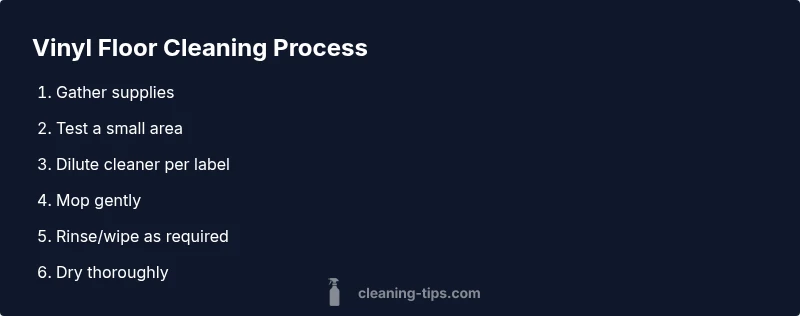
A clear, repeatable routine helps maintain vinyl floors without guesswork. Begin with area preparation, then apply a diluted cleaner using a microfiber mop, and finish with a thorough dry. Keep moisture under control to avoid pooling near baseboards and under cabinets. Avoid circular scrubbing; cleaner works best with straight, overlapping strokes that lift dirt without grinding it into the wear layer. By following a consistent method, you reduce the likelihood of dullness and streaks.
Maintenance Tips to Extend Vinyl Floor Life
Routine cleaning matters, but proactive maintenance makes a bigger difference. Place doormats at entrances to reduce tracked-in grit, use felt pads under furniture, and promptly wipe spills. Choose a cleaner designed for vinyl and avoid wax-based products unless the floor’s manufacturer recommends them. From a maintenance perspective, periodic light buffing with a dry microfiber cloth can restore some shine without introducing moisture or abrasion.
Troubleshooting: Residue, Dullness, or Discoloration After Cleaning
If residue or dullness appears after cleaning, re-wipe using a clean, damp microfiber cloth with plain water. Check that you used the correct dilution and that the floor has fully dried. For persistent issues, consider trying a different vinyl-safe cleaner or a manufacturer-recommended restorer. If discoloration or finish damage is suspected, consult the floor’s care guide or contact the manufacturer for guidance. Regular, careful cleaning reduces the risk of these problems over time.
Why This Approach Makes Sense for Vinyl Floors
This approach centers on milder formulations and proper drying to protect the vinyl wear layer. The Cleaning Tips team highlights that low-residue cleaners, when used with appropriate technique, help maintain gloss and prevent buildup. By avoiding concentrated formulas and abrasive tools, homeowners can simplify maintenance and extend the life of their vinyl floors.
Tools & Materials
- Mr. Clean (mild, vinyl-safe formula)(Follow label dilution and avoid concentrate; test on a hidden area first)
- Microfiber mop(Choose a soft, non-scratch pad)
- Bucket with clean water(Use warm water for better cleaning, then rinse)
- Vacuum or broom(Remove grit and dust from floor surface)
- Microfiber towels or cloths(For spot testing and drying)
- Gloves (optional)(Protect hands if you have sensitive skin)
- Ventilation (optional)(Open doors/windows if using cleaners)
Steps
Estimated time: 30-45 minutes
- 1
Clear area and remove obstacles
Move furniture and rugs away from the workspace. Vacuum or sweep thoroughly to remove loose grit that can scratch vinyl when wet.
Tip: Grit on the floor is the top cause of micro-scratches. - 2
Test a small area with the cleaner
Dampen a microfiber cloth with a diluted cleaner solution and apply to a hidden spot. Observe for color or gloss changes over 24 hours.
Tip: If any adverse reaction occurs, stop and switch to a milder formulation. - 3
Dilute the cleaner according to label
Prepare a dilute solution in a bucket, following the product’s directions. Avoid concentrating the formula, as residues can dull the finish.
Tip: Use the label’s exact ratio to maintain safety and effectiveness. - 4
Mop the floor with a microfiber pad
Dip the mop in the solution, wring well, and clean floor in straight passes. Avoid pools of liquid and excessive agitation on seams.
Tip: Wring out the mop until it is just damp to prevent oversaturation. - 5
Rinse or wipe off residue if required
Some cleaners require a second pass with plain water; check the label and rinse or wipe to remove any film.
Tip: Rinse helps prevent residue that can attract dirt. - 6
Dry the floor thoroughly
Use a dry microfiber cloth or allow air-drying. Ensure there’s no standing water around edges or under cabinets.
Tip: Drying prevents streaks and slippery spots.
Questions & Answers
Is Mr. Clean safe for vinyl floors?
Yes, when diluted and used as directed; avoid strong solvents and wax coatings.
Yes, when diluted and used as directed; avoid strong solvents and wax coatings.
Should I rinse after using Mr. Clean on vinyl floors?
Rinse if the label requires it or if you notice a film; otherwise, wipe with a clean damp cloth and dry.
Rinse if the label requires it; otherwise, wipe and dry.
Can Mr. Clean damage vinyl floors?
Concentrated formulas or harsh scrubbing can dull finishes; use diluted solutions and soft tools.
Concentrated cleaners or harsh scrubbing can dull the finish.
Can I use Mr. Clean on luxury vinyl planks (LVP)?
Yes, with caution: use a diluted solution and avoid wax-based products unless specified by the manufacturer.
Yes, with dilution and caution; avoid wax-based products unless the manufacturer says so.
Is it okay to use a steam cleaner on vinyl floors with Mr. Clean?
Avoid steam cleaners on vinyl floors; heat and moisture can damage the wear layer.
Avoid steam cleaners; heat and moisture can damage vinyl.
What’s a better alternative for vinyl floors?
Use vinyl-floor-safe cleaners or mild dish soap with water; always follow manufacturer guidance.
Use vinyl-safe cleaners or mild soapy water, following guidance.
How often should I deep clean vinyl floors?
Deep clean as needed based on traffic; routine cleaning with a mild cleaner helps maintain finish.
Deep clean as needed; routine cleaning helps maintain finish.
Watch Video
The Essentials
- Test a hidden area first before full cleaning
- Dilute cleaner per label and use a soft mop
- Avoid abrasive pads and standing water
- Dry thoroughly to prevent dullness
- Choose vinyl-safe cleaners for maintenance