Drain Clean Service: What It Is, When to Hire, and What to Expect
Discover how a professional drain clean service removes clogs, prevents backups, and protects your plumbing. Learn when to hire, what to expect, and practical prevention tips for a healthier home.


Drain clean service removes stubborn clogs, protects against backups, and restores steady flow by clearing drains with professional equipment. A technician assesses the blockage, uses mechanical augers or hydro-jetting, and tests each drain until water flows freely. Expect a final flush and practical maintenance tips. According to Cleaning Tips, this service is the most reliable option for persistent drains.
What is a drain clean service
A drain clean service is a professional assessment and treatment plan designed to remove stubborn clogs from household drains—pipes that run from sinks, tubs, showers, and laundry lines. The goal is to restore smooth water flow, prevent backups, and protect the plumbing system from damage. According to Cleaning Tips, a drain clean service uses a stepwise approach that blends inspection, mechanical clearing, and post-cleaning testing. Technicians tailor methods to the drain layout, pipe material, and the type of blockage (fats, oils, grease, hair, soap scum, mineral buildup, or soap residues). Expect a combination of hands-on clearing, diagnostic checks, and a final verification flush to ensure everything drains properly. The service often begins with a quick inspection of accessible traps and cleanouts, followed by targeted intervention rather than a one-size-fits-all solution. This approach helps reduce the risk of damaging pipes or forcing debris further into the system.
Signs you may need a drain clean service
Slow draining that affects multiple fixtures is a common red flag, but there are others worth noting. Greasy smells, a gurgling sound in pipes, water backups during gentle use, or repeated clog cycles despite DIY attempts all point toward a more complex blockage. If you rely on chemical cleaners, you may also see worsened performance or lingering odors after the initial flush. A professional will diagnose whether the clog is organic, mineral, or due to a misaligned trap and plan an approach that minimizes damage and downtime. Cleaning Tips emphasizes that professionals prioritize safety and methodical clearing over quick fixes, especially when septic systems or multiple appliances are involved. In short, if simple plunging doesn’t clear the drain, it’s time to call in a drain clean service.
How a drain clean service works (typical sequence)
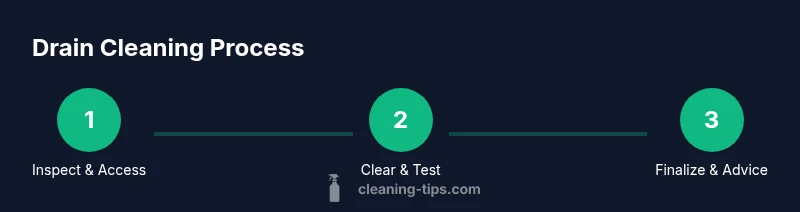
Most reputable providers follow a clear sequence: inspect, access, clear, test, and advise. Inspecting may involve camera inspection to locate the blockage and assess pipe condition. Access often requires removing a trap or opening a cleanout. Clearing uses mechanical tools such as hand augers, drum augers, or hydro-jetting for stubborn blockages. After clearing, the technician test-flushes each drain to confirm water flow and may offer a cleanout assessment for future prevention. Finally, they provide maintenance guidance and may suggest enzymatic cleaners or routine flushes to keep drains moving smoothly. If you have older pipes or complex layouts, plan for extra time and a possible follow-up visit.
Equipment and safety considerations
Professional drain cleaners use equipment designed to minimize damage to plumbing. Hand augers, motorized snake machines, and hydro-jetters deliver effective cleaning without blasting through pipe walls. Safety precautions include eye protection, gloves, and careful pressure control to avoid dislodging pipe joints. A reputable company will also protect floors and fixtures, cover exposed areas, and contain wastewater to prevent contamination. Cleaning Tips notes that high-pressure hydro-jetting may not be suitable for every pipe type, such as older clay or brittle copper, which is why a professional assessment is essential before choosing a method.
DIY vs. professional: when to escalate
DIY methods like plunging or simple drain cleaners can work for light blockages, but they often provide only temporary relief or may push the clog deeper. A professional drain clean service brings diagnostic skills, tools, and experience to handle complex clogs, mineral buildup, or tree-root intrusion. If your home has multiple slow drains, recurrent clogs, sewage odors, or evidence of backing up into fixtures, professional intervention is the prudent choice. The Cleaning Tips team advises homeowners to view this service as a long-term investment in plumbing health rather than a quick cosmetic fix.
What to expect during an appointment
When you schedule a drain clean service, you should expect a communication window, a clear estimate, and a transparent plan. Upon arrival, technicians may review your problem description, confirm access points, and explain the selected method. The work area is typically protected with drop cloths, and all wastewater is contained. Most visits conclude with a test flush and brief maintenance recommendations. If the blockage is severe or the pipe has structural issues, the professional will explain alternatives such as targeted camera inspection, partial replacements, or conservative hygiene practices to minimize disruption. In between visits, you can adopt simple routines to maintain flow, such as avoiding grease disposal down the drain and using strainers on all fixtures.
Maintenance tips to prevent future clogs
Prevention is easier than repeated clearing. Use strainers on sinks and showers to capture hair, food particles, and debris. Run hot water down the drain weekly to dissolve soap scum and mild residues. Periodically flush drains with a combination of baking soda and hot water, followed by a vinegar rinse for a gentle cleaning effect. Avoid pouring grease or oil down kitchen sinks; instead, collect and dispose of them in the trash. Enzymatic cleaners can help maintain septic-friendly drains, but avoid relying on chemical drain cleaners, which can damage pipes and harm septic systems over time. By pairing professional cleanings with good daily habits, you can significantly reduce the likelihood of future clogs.
Costs, value, and choosing a provider
Cost of drain cleaning can vary based on location, the severity of the clog, accessibility, and the equipment used. Hydro-jetting or camera inspections typically add to the base service, and additional work like pipe realignment or replacing a section of pipe will add more. Always request a detailed, written estimate that outlines the scope of work, any optional add-ons, and the expected duration of the service. Read reviews, verify licensing, and confirm whether follow-up visits are included in the price. The right provider will balance price with clear communication, safety, and a track record of effective results.
In this guide, we emphasize choosing a provider who offers transparent pricing, upfront explanations, and practical maintenance guidance. If a problem persists after the initial visit, ask about a follow-up plan and a reasonable timeframe for addressing possible root causes, such as tree-root intrusion or broken pipes.
Authoritative sources and final notes
Trustworthy drain cleaning information comes from established sources that discuss safe plumbing practices and preventative care. The following sources provide additional context on clogs, maintenance, and safe home plumbing:
Authoritative sources
- Consumer Protection: https://www.consumer.ftc.gov/articles/how-stop-drain-clogs
- University Extension: https://extension.psu.edu
- University Extension: https://extension.umn.edu
Tools & Materials
- Plunger(Flat-based plunger with a flange for sinks or bathtub drains)
- Drain auger / plumber's snake(Manual or powered device sized for the drain you’re clearing)
- bucket(To catch water and debris during clearing)
- Gloves(Waterproof, chemical-resistant; protect hands)
- Old towels or rags(Ground to prevent mess on floors)
- Flashlight or headlamp(Improve visibility inside cabinet and trap areas)
- Enzymatic drain cleaner (optional)(Use as a maintenance aid after clearing; avoid chemical cleaners if possible)
Steps
Estimated time: 1-2 hours
- 1
Assess the blockage and prep the area
Identify which drains are slow or backed up. Clear the workspace, place towels, and protect floors. Gather tools and ensure electrical outlets are away from water. The goal is to reduce mess and prepare for safe tools usage.
Tip: Take a photo of the setup for reference if you plan a follow-up professional visit. - 2
Clear the trap and attempt mechanical removal
Detach the trap if accessible and inspect for visible debris. Use a plunger first, ensuring a good seal and steady, plunging motion to loosen the clog. If water doesn’t move, move to the next step.
Tip: Keep the plunger fully submerged and create an airtight seal for best suction. - 3
Try the drain auger for deeper blockages
Insert the auger into the drain, rotate the handle to push past the clog, and pull back slowly to bring debris free. Repeat as needed until you see water drain or the auger clears the line.
Tip: Move slowly and avoid forcing the auger, which can scratch or damage piping. - 4
Flush and test the drain
Run hot water for several minutes to clear remaining residues. Reconnect traps and check for leaks. Run water from multiple fixtures to verify consistent flow.
Tip: If you notice new slowdowns, stop and check for new blockages or leaks before proceeding. - 5
Decide on next steps
If the drain remains slow or backs up, schedule a professional drain clean service. Complex clogs, sewer smells, or recurring issues typically require professional tools and diagnosis.
Tip: Document symptoms and timing to help the technician diagnose root causes faster. - 6
Post-clean maintenance
Implement preventive habits such as filters, periodic hot-water flushes, and enzyme-based cleaners. Avoid pouring grease down kitchen drains and monitor for slowdowns.
Tip: Establish a monthly ritual to keep drains clear and reduce future visits.
Questions & Answers
What is included in a drain cleaning service?
A typical service includes inspection, access, mechanical clearing or hydro-jetting, test flushes, and maintenance recommendations. The exact steps depend on the clog type and pipe condition.
A typical service includes an inspection, clearing the blockage, and testing flow, plus maintenance tips.
Can I do this myself instead of hiring a service?
For simple slow drains, DIY methods like plunging can help. For stubborn or recurring clogs, especially in multiple fixtures or with sewage odor, a professional drain clean service is recommended.
DIY can help for simple clogs, but persistent issues usually need a pro.
What causes drain clogs that keep coming back?
Common causes include hair buildup, grease, soap scum, mineral deposits, and tree roots intruding into sewer lines. A professional diagnosis helps pinpoint root causes.
Hair, grease, soap scum, minerals, or roots can cause recurring clogs; a pro can diagnose.
Is hydro-jetting always used?
Hydro-jetting is effective for mineral buildup and stubborn clogs but isn’t suitable for all pipes. A technician will determine the best method based on pipe material and condition.
Jetting isn’t always used; it depends on your pipes and clog type.
How should I prepare my home for a drain cleaning visit?
Clear access to the affected drains, inform about septic systems, and remove obstacles around the work area. Note any recent plumbing work or changes.
Clear access and share any septic details before the visit.
Will a drain cleaning fix affect my septic system?
Professional methods are designed to minimize impact on septic systems. Discuss your setup with the technician beforehand to tailor the approach.
Professionals consider septic systems and tailor the approach.
Watch Video
The Essentials
- Identify signs early to avoid backups.
- Professional drain cleaning uses safe, targeted methods.
- DIY work is helpful for minor clogs, but complex issues require pros.
- Regular maintenance reduces long-term costs and headaches.
- Choose a transparent provider with clear pricing and follow-up options.