What Clean Drains: A Practical How-To for Home Plumbing
Learn step-by-step, non-toxic methods to clean drains, prevent clogs, and maintain plumbing. This Cleaning Tips guide covers tools, techniques, safety, and maintenance for kitchens, bathrooms, and showers in 2026.


This guide teaches you how to clean drains safely using non-toxic methods and practical tools. You’ll learn to assess clogs, choose the right approach, and apply proven techniques to restore free flow in kitchen, bathroom, and shower drains. By following these steps, you’ll prevent future buildup and protect your plumbing.
What clean drains means in a healthy home
Clean drains are essential for a healthy, efficient home. The phrase what clean drains captures a practical goal: removing hair, soap scum, food scraps, grease, and mineral deposits that slow or stop water flow. In this guide from Cleaning Tips, you’ll learn how to assess a blockage, choose the right tools, and apply proven, non-toxic techniques to restore flow across kitchen, bathroom, shower, and floor drains. You’ll also see how routine maintenance prevents recurring issues and preserves your plumbing. Understanding what clean drains entails helps homeowners and renters act confidently rather than reach for harsh chemicals. By prioritizing non-toxic methods first, you protect your septic system, pipes, indoor air quality, and overall home hygiene, reducing the risk of costly repairs down the road. This approach aligns with practical, evidence-based cleaning practices you can trust.
How drains become clogged and why it matters
Clogs form when everyday debris accumulates and binds with soap, grease, and mineral deposits. In kitchens, fat and food particles stick to the pipes; in bathrooms, hair and soap create dense plugs; showers and tub drains collect soap scum and mineral scale. Floor drains, especially in laundry rooms or basements, trap lint and dirt that gradually obstructs flow. Slow drainage is a warning sign: water pooling, gurgling sounds, or foul odors indicate buildup that may worsen without intervention. Regular cleaning reduces odors and improves drainage efficiency, helping prevent backups during heavy use or rain.
The role of non-toxic methods in drain care
Non-toxic approaches prioritize physical removal and safe chemistry over harsh chemicals. Techniques include hot water rinses, mechanical tools like plungers and drain snakes, and the measured use of baking soda and vinegar. These methods keep household air cleaner and are gentler on septic systems and pipes. By starting with prevention—screening hair and kitchen scraps, using strainers, and flushing drains with appropriate water temperatures—you can maintain clearer drains with less effort over time. This section explains why non-toxic methods work well for most everyday clogs and how to apply them correctly in different parts of the home.
A practical framework for every drain type
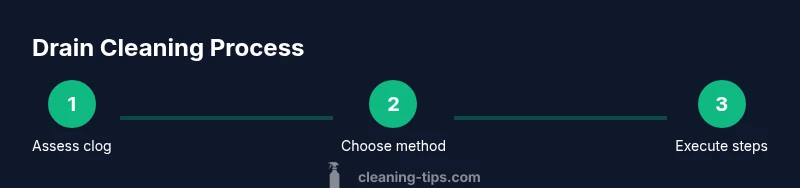
Different drains have unique challenges. Kitchen sinks deal with grease and food waste; bathroom sinks face soap and hair; showers and tubs collect hair and soap scum; floor and laundry drains accumulate lint. A consistent framework—assess, choose a tool, apply a method, rinse, and inspect—works for all. By following a standardized approach, you’ll experience fewer surprises and keep your plumbing healthier. Cleaning Tips emphasizes gradual escalation from simple, non-invasive methods to more involved techniques as needed, with safety always in mind.
Safety first: protective gear and setup
Before you begin, gather gloves, goggles, and a bucket. Protect skin and eyes from splashes, spills, and odors. Ventilate the area, especially if you’re using any scented cleaners or releasing vapors. Place towels around the work area to catch spills, and keep a drain cover or stopper handy to control backflow. If you must lean over a sink, consider a small flashlight to clearly see the clog. Following safety guidelines minimizes risk and makes the process smoother, even for first-time DIYers.
The step-by-step workflow: an overview
The workflow combines mechanical methods, safe chemistry, and proper washing to restore flow. Start with mechnical steps (plunger and/or drain snake) to remove the blockage. If needed, use baking soda and vinegar to break down organic buildup as a gentle follow-up. Finish with a hot water rinse to flush remaining debris. Maintain a mechanical routine to prevent recurrence, and always verify drainage after treatment. This overview maps to the detailed step-by-step section that follows.
Maintenance habits that prevent clogs
Preventive maintenance pays big dividends. Clean drains regularly with hot water flushes, use microfiber screen filters, and avoid pouring grease or coffee grounds down the drain. Periodically inspect traps under sinks for buildup and clean them as needed. Schedule a quarterly 15-minute drain check to identify slow drainage early. These habits reduce the likelihood of major clogs and the need for aggressive interventions.
When to seek professional help
Not all clogs respond to DIY methods. If multiple drains are slow, water backs up, or you smell sewage, stop attempting home remedies and call a licensed plumber. Persistent clogs near the main sewer line, unusual noises, or sewage backups can indicate more serious drainage problems. Timely professional evaluation protects your home and prevents further damage.
Quick-start considerations for renters and homeowners
Renters should coordinate with their landlord for major plumbing issues and avoid permanent alterations without approval. Homeowners can build a simple inventory of tools and consumables to keep drains clean. Keeping a log of which methods worked best for each drain helps tailor future maintenance and makes it easier to troubleshoot with professionals if needed.
Tools & Materials
- Plunger (cup or flange)(Choose a flange plunger for sinks; cup plunger for tubs/showers.)
- Drain snake/auger(Manual or built-in version; length should reach the trap.)
- Bucket(Hold collected water and debris; place under trap if disassembling.)
- Gloves(Rubber or latex; protects hands from grime and chemicals.)
- Goggles(Eye protection during plunging or snaking.)
- Old towels or rags(Catch splashes and protect surfaces.)
- Baking soda(Cleansing aid; use in 1/2 cup portions.)
- White vinegar(Combine with baking soda for gentle fizzing action.)
- Hot water(Boiled or near-boiling water for final rinse.)
- Measuring cup(Helpful for precise baking soda amounts.)
- Rubber stopper(Seals overflow on sinks if needed.)
- Flashlight(Better visibility in dark pipes.)
Steps
Estimated time: 60-90 minutes
- 1
Prepare the workspace
Clear the area, lay towels, and position a bucket under the trap if you expect to disassemble any pipes. Put on gloves and goggles. This reduces splashes and keeps the workflow organized.
Tip: Have all tools within arm’s reach before you start to avoid repositioning mid-step. - 2
Remove visible debris and trap if accessible
If your sink has a clean-out trap under the basin, place a bucket beneath and carefully loosen the nuts. Remove standing debris by hand or with a gloved finger. Wipe any stubborn grime before reassembling.
Tip: Take a photo before disassembly to aid reassembly if needed. - 3
Plunge the drain
Seal the overflow if possible and apply firm, vertical strokes with the plunger to create suction. Maintain pressure until you see or feel the blockage loosen. Rinse with water to test flow.
Tip: If you hear air escaping through the overflow, reseal and try again from a different angle. - 4
Extend with a drain snake
Insert the snake into the drain and rotate the handle to break up or hook the clog. Pull back slowly to remove material. Repeat until water runs freely.
Tip: Avoid forcing the snake; excessive pressure can damage pipes. - 5
Apply baking soda and vinegar
Pour 1/2 cup baking soda, followed by 1 cup white vinegar. Cover to keep the fizz near the clog for 15 minutes, then flush with hot water.
Tip: Do not mix with other cleaners; the fizzing is gentle and effective for minor buildup. - 6
Flush with hot water
Run near-boiling water for several minutes to rinse loose particles and flush the line. This also helps sanitize the pipe interior.
Tip: If you notice slow drainage again, repeat the baking soda/vinegar step once more. - 7
Inspect and clean up
Run all affected drains to confirm clear water flow. Wipe down the area, dry exposed surfaces, and store tools properly.
Tip: Keep a drain-cleaning log with notes on what worked for future reference.
Questions & Answers
What is the safest way to clean drains without harsh chemicals?
Begin with mechanical methods like plunging and snaking, followed by hot water flushes. Baking soda and vinegar can help with minor buildup, but avoid harsh chemicals as a first option. This keeps your home safer and gentler on pipes.
Start with plunging or snaking, then a hot water rinse. Baking soda and vinegar can help with minor buildup, but skip strong chemicals unless advised by a professional.
Can baking soda and vinegar damage pipes?
When used in typical household quantities, baking soda and vinegar are safe for most pipes. They’re not a cure-all for heavy clogs, but they can help with minor buildup when used as part of a regular maintenance routine.
No, in normal amounts they’re safe for most pipes, but they aren’t a fix for heavy clogs.
How often should I clean drains to prevent clogs?
Aim for a quarterly check-up with a hot water rinse and light maintenance. If you notice slow drainage or odors, increase frequency temporarily while addressing the underlying buildup.
Quarterly maintenance helps prevent clogs, with more frequent checks if you notice slow drainage.
Will these methods work for septic systems?
Yes, non-toxic, mechanical methods are generally safe for septic systems. Avoid harsh chemical cleaners, which can disrupt beneficial bacteria and harm the system over time.
Non-toxic methods are usually safe for septics; avoid harsh cleaners that can disrupt the system.
When is it necessary to call a plumber for a clogged drain?
If multiple drains are slow, water backs up, or you hear gurgling noises from the pipes, it’s time to call a licensed plumber. These signs can indicate a sewer line issue or a deep clog.
Call a plumber if several drains are slow or you hear gurgling—these can signal bigger problems.
Watch Video
The Essentials
- Identify clog type before choosing a method.
- Prioritize mechanical methods first, then safe chemistry.
- Protect yourself with PPE and follow safety steps.
- Regular maintenance prevents most clogs.
- Test all drains after treatment to confirm clearance.