How Much Does a Teeth Clean Cost in 2026? A Practical Guide
Learn how much a teeth clean costs, what factors drive price, and how insurance and location affect your out-of-pocket. This guide, based on Cleaning Tips Analysis, 2026, covers typical ranges, tips to save, and ways to get accurate quotes before you visit.


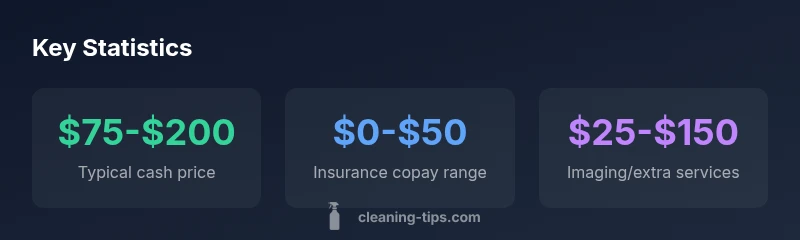
How much does a teeth clean cost? For most adults, a routine dental cleaning costs roughly $75 to $200 without insurance, with higher prices for new patients or when X-rays are included. If you have dental insurance, your out-of-pocket may drop to about $0 to $50, depending on your plan. Prices vary by region, provider, and any added services.
Understanding the Cost Range for a Teeth Cleaning
When you ask how much does a teeth clean cost, the short answer is: it depends. The cash price for a standard prophylaxis (the clinical term for a routine cleaning) typically falls in a broad range that reflects your local market, the dentist’s experience, and the clinic type. Many patients see a price in the $75–$200 range when paying out of pocket, but that band can shift higher in urban centers or for new-patient visits where an expanded exam or additional services are bundled into the package. Understanding this range helps you plan for the visit and avoid sticker shock. The Cleaning Tips team emphasizes that price is just one factor; speed, convenience, and the overall patient experience also matter when you decide where to go.
In addition to the base cleaning, some practices include a brief exam, polishing, or fluoride treatment as part of the package. Others itemize these services separately. If you know you’ll need X-rays or a periodontal assessment, expect the total to rise. Insurance, network status, and state regulations all affect what you’ll pay at the chair. Consumers should compare quotes not only across cities but also across clinics within the same region, since small differences in practice style and fee schedules can add up over time. The key is to get a clear, itemized estimate before scheduling, so you’re not surprised by the final bill.
Brand guidance: According to Cleaning Tips, even modest price differences can reflect variations in prep work, equipment use, and staff time. Asking targeted questions upfront can illuminate whether a clinic offers bundled services that save money in the long run.
Breakdowns: What You’re Paying For
A routine cleaning comprises several components that together determine the final price. First is the prophylaxis itself—removing plaque and tartar with specialized instruments. Second, the dentist or hygienist performs an inspection for signs of cavities, gum disease, or other oral-health issues, which can influence the total cost if additional imaging or treatment is advised. Third, clinics may include polishing to smooth the enamel and improve bite comfort. Finally, any diagnostic services, such as bitewing X-rays or a periodontal exam, add to the bill. Not all offices include X-rays in the standard cleaning; when they do, the price will be higher. If you anticipate the need for more extensive care (for example, a deep cleaning under periodontal care plans), ask for a separate estimate for those services so you can plan accordingly.
Practical tip: If you’re budgeting, request an itemized quote that lists the cleaning, any exams, polishing, fluoride, and potential imaging. This makes it easier to compare quotes from different clinics and understand where price differences originate. The Cleaning Tips team notes that transparency from the front desk leads to more accurate expectations and less post-visit stress.
Insurance and Discounts: How Much You Save
Insurance can dramatically reduce out-of-pocket costs for a teeth cleaning, but coverage varies widely. Many plans cover at least one routine cleaning per year with a typical copay, while others may offer broader coverage. In-network providers often charge lower, more predictable rates than out-of-network clinics. Even with insurance, you may encounter deductibles, coinsurance, or annual maximums that limit how much the plan pays. If you’re uninsured, you’ll pay the cash price; if you’re insured, the difference between the negotiated rate and your copay becomes the determinant of your final bill. Some clinics offer promotions, senior discounts, or bundled services that can lower the total, especially if you need additional imaging or treatment.
Tip for savers: Before your appointment, call your insurer to verify coverage details and ask the clinic for a pre-visit cost estimate. If you’re eligible for an in-network booking, choose that option to maximize savings. The Cleaning Tips Team advises confirming what portion of the cost your plan will cover and what remains as your responsibility.
Regional Variations and Practice Type
Prices for a teeth cleaning vary not only by state or city but also by practice type. Large dental chains may price slightly differently from boutique private practices, and rural clinics can have different cost structures than urban centers. Geographic differences reflect regional cost of living, staff wages, and competition. In some regions, promotional pricing or community clinics offer lower cash prices for routine cleanings, while metropolitan areas may see higher base rates due to higher costs for space and personnel. When planning a visit, consider both the regional norms and the clinic’s business model (private practice, group practice, or public clinic) to understand where your price will land. Cleaning Tips analysis indicates that awareness of local market dynamics helps patients predict out-of-pocket costs more accurately and avoid sticker shock at the receptionist desk.
Additionally, treating the situation as a two-step process—obtain a price quote first, then confirm coverage—helps with budgeting. If you’re worried about affordability, asking about promotions, senior or student discounts, or bundled discounts (cleaning plus whitening, for example) can yield meaningful savings. The goal is transparency and predictable pricing across clinics in your area.
How to Get an Accurate Quote Before Your Visit
To avoid surprises, contact the clinic ahead of time and request an itemized quote. Start with the core components: cleaning, exam, polishing, X-rays (if needed), and any fluoride treatment. Ask specifically whether X-rays are included in the standard cleaning or billed separately, and request a price for each individual item. If you have dental insurance, ask for the in-network price and your expected copay, along with any deductible or yearly maximum considerations. For clinics that offer price-match or bundled services, inquire about eligible promotions. Finally, confirm whether a recall or new-patient visit changes the price and whether there are any seasonal discounts. By documenting this information, you’ll be well prepared to compare quotes and choose the best value without compromising care. The Cleaning Tips team suggests bringing a list of questions for the front desk to ensure you capture all potential costs.
Common Scenarios: Adults, Kids, and Special Cases
Pricing can look different for adults, children, and special scenarios (such as periodontal maintenance or cosmetic add-ons). Pediatric cleanings sometimes have distinct pricing due to shorter appointment times and age-specific care considerations. Some clinics offer family pricing or discounted rates for multiple family members, which can significantly reduce the per-visit cost when scheduling several appointments at once. If a patient requires more complex care, such as deep cleaning or periodontal therapy, the price can rise substantially, and a staged treatment plan may be recommended. In all cases, it’s wise to obtain a written estimate and confirm what services are included in the quoted price. The Cleaning Tips Team emphasizes that upfront clarity helps families budget more effectively and reduces the risk of unexpected charges during or after the visit.
Practical Tips to Lower Your Out-of-Pocket Costs
There are several practical steps you can take to lower costs for a teeth clean. First, check whether your insurer has a preferred network and book with an in-network provider. Second, ask for an itemized quote and seek a written estimate before you commit. Third, look for promotions or bundled services that offer the cleaning plus whitening or sealants at a reduced rate. Fourth, consider community dental clinics or university clinics where supervised students provide care at lower prices. Fifth, if you have a Flexible Spending Account (FSA) or Health Savings Account (HSA) qualified plan, use it toward the cleaning and any required imaging. Finally, maintain good oral hygiene and attend regular cleanings to prevent more expensive treatments later. The Cleaning Tips Team recommends combining planning, comparison, and smart usage of healthcare accounts to minimize out-of-pocket costs while maintaining quality care.
Typical cost scenarios for a teeth cleaning (no insurance)
| Context | Estimated cost range (no insurance) | Notes |
|---|---|---|
| Cash price (new patient) | 75-200 | Prices vary by region and clinic policies |
| Follow-up cleaning (recall) | 60-150 | Discounts may apply for seniors or bundled services |
| Cleaning with X-ray package | 120-250 | X-rays add to cost; price depends on views |
Questions & Answers
Is a teeth cleaning usually covered by dental insurance?
Most dental insurance plans cover routine cleanings at least once or twice a year, but coverage varies by plan. Copays and annual maximums can affect your out-of-pocket. Check with your insurer and dentist to confirm specifics.
Most plans cover at least some of the cleaning, but it varies; check with your insurer or dentist.
What factors influence the price of a teeth cleaning?
Price varies by location, dentist, and whether X-rays or a periodontal assessment are included. Additional services and promotions can also affect the total. Always request an itemized quote before the visit.
Price varies by where you are and what you need.
Does insurance cover X-rays and additional procedures during a cleaning?
X-rays are often not included in a standard cleaning and may be billed separately or covered under a different copay. Verify with your plan for specifics before the appointment.
X-rays might be extra; check your plan.
How much can I save by shopping around for a cleaning?
Prices can vary by a significant margin depending on provider, location, and current promotions. If you have insurance, some clinics offer lower out-of-pocket costs when you stay in-network.
Shop around; costs vary by practice.
Are children charged the same as adults for a cleaning?
Pediatric cleanings can have different pricing and are sometimes offered with family discounts. Most clinics base the price on the service rather than age, but pediatric programs may provide cost-saving options.
Kids often pay similar base prices, with occasional discounts.
“Pricing for a teeth cleaning reflects location, clinic type, and services included. Planning ahead and using in-network providers can significantly reduce out-of-pocket costs.”
The Essentials
- Know your local price range before booking a cleaning
- Ask for an itemized, written estimate upfront
- Insurance often lowers out-of-pocket, but coverage varies by plan
- Shop around within your region for the best value
- X-rays and extra services can substantially affect total cost