Dental Cleaning Costs: What to Expect in 2026
Learn how much a dental cleaning costs, what factors drive price, how insurance changes out-of-pocket costs, and practical tips to save. Cleaning Tips analyzes typical ranges and regional differences for 2026 to help you budget confidently.


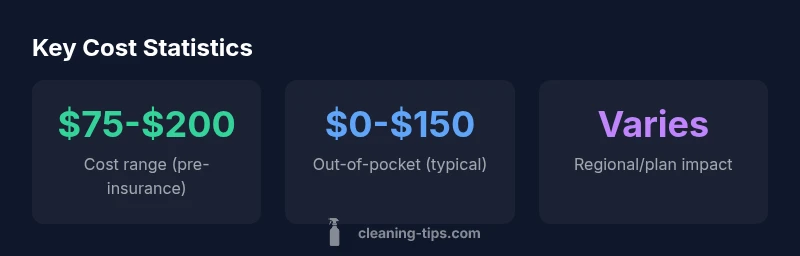
Dental cleaning costs typically range from about $75 to $200 before insurance, with higher charges in urban areas or for complex cases. Your exact price depends on location, the dentist’s fees, and whether add-ons are needed. Insurance plans, discounts, and membership programs can lower out-of-pocket costs. This guide explains driving factors, regional variation, and budget-friendly strategies to plan your visit.
What influences the price of a dental cleaning
Prices for a routine dental cleaning (prophylaxis) are not fixed or universal. Local competition, the dentist’s overhead, and whether x-rays or additional services are included in the visit all shape the final bill. In practice, many clinics quote a base cleaning plus optional add-ons such as polishing, fluoride, or periodontal assessments. Insurance status, whether you’re scheduling a standard cleaning or a deep-cleaning evaluation, and regional cost of living further modulate the price. According to Cleaning Tips, a major factor is the plan's preventive coverage; even when a cleaning is covered, you may face copays or caps that affect your out-of-pocket. If you’re budgeting, it helps to ask for a written breakdown ahead of time and compare a few local options to understand the typical price landscape.
Typical price ranges and what they include
A standard dental cleaning usually includes scaling, polishing, and a brief exam. The price range reflects who performs the cleaning (dental hygienist vs. dentist), the region, and whether adjuncts such as bitewing X-rays or a fluoride treatment are bundled with the visit. In many markets, you’ll see the published range from roughly the mid-hundreds of dollars when including comprehensive services to the lower end for purely prophylaxis. It’s important to verify what’s included in your quoted price (and whether any discounts apply for upfront payment or bundled care) so you aren’t surprised by a separate charge for an extra service. Cleaning Tips analyses emphasize that the most accurate budgeting comes from a written estimate that lists all included items and any potential add-ons.
How insurance affects cost
Insurance plays a central role in determining how much you pay out of pocket for a cleaning. Many plans cover preventive services like dental cleanings at little or no cost when performed within plan limits, but coverage can vary by provider and policy. Some plans require a deductible, waiting periods, or a copay per visit, while others reimburse the dentist directly for part of the service. If you have a high-deductible plan or a plan with strict limits, your out-of-pocket could be higher. The key is to check your specific copay, the frequency allowed for cleanings per year, and whether the dentist participates in-network. Cleaning Tips recommends calling your insurer and the clinic to confirm coverage before you schedule.
Regional variation and how to compare quotes
Geography matters. Urban areas with higher living costs often see higher cleaning prices than rural areas. Even within the same city, dental offices may price differently based on their target patient base, the complexity of care, and local competition. A practical approach is to request itemized quotes from at least three practices. Compare base cleaning fees, any bundled add-ons, and whether emergency or same-day appointments alter pricing. Consider convenience factors like proximity and scheduling flexibility, as these can affect your total cost when you factor in travel time and time off work. Cleaning Tips notes that understanding regional norms helps you evaluate whether a quote is fair or inflated.
Ways to save on dental cleaning costs
Saving on costs is often about proactive planning. First, confirm what’s included in the quoted price and whether there are member or loyalty programs that reduce fees. Second, ask about bundled offers that combine cleaning with exams or X-rays, which can lower per-service costs. Third, look for dental schools or community clinics that provide supervised care at reduced rates, especially for routine cleanings. Fourth, check if you can switch to a participating provider in-network or if the dentist offers a discount for upfront payment. Finally, compare the cost with the value: shorter wait times, flexible scheduling, and a clear treatment plan can offset slightly higher base fees when they deliver better overall value. Cleaning Tips emphasizes transparency and written estimates to empower patients to make cost-conscious decisions.
Do's and don'ts before your appointment
Do: ask for a written price estimate, verify what’s included, and confirm your insurance coverage in advance. Do not: assume the price is fixed or that an add-on is optional. Don’t wait until the day of the appointment to discuss cost, since add-ons or additional findings can change the total. If you anticipate needing extra services (like fluoride or gum assessment), discuss these upfront to avoid surprises. Finally, bring your insurance card and any relevant IDs so the office can verify benefits before you’re seated. Following these practices helps you manage the total cost of care and reduces bill shock.
How to estimate the total cost for your visit
To estimate the total cost, start with the base cleaning price and add any potential add-ons you might need. Check your insurance benefits for preventive care coverage and determine your copay, deductible, or out-of-network charges. If you’re unsure, request a written pre-visit estimate from the clinic that itemizes each component: cleaning, polishing, X-rays, exams, and fluoride. Factor in follow-up visits or adjustments that might be needed within the same year. Finally, compare estimates from multiple practices to understand regional norms and to identify the best value—not just the lowest price. Cleaning Tips advises focusing on the total value, including time, convenience, and outcomes, rather than price alone.
Estimated costs by service type
| Service Type | Estimated Cost (before insurance) | Typical Insurance Coverage | Out-of-Pocket (after insurance) |
|---|---|---|---|
| Dental cleaning (prophylaxis) | "$75-$200" | "Partial to full depending on plan" | "Varies widely" |
| X-ray (bitewing) | "$15-$100" | "Often covered with exam package" | "Varies" |
Questions & Answers
Does dental insurance cover routine cleanings?
In most plans, prophylaxis cleanings are covered as preventive care, often with a copay or no cost if within limits. Coverage varies, so check your policy and the clinic’s in-network status before you schedule.
Most plans cover routine cleanings as preventive care, but coverage varies by policy.
What factors can increase cleaning costs?
Gum disease, the need for additional tests like X-rays, and any required anesthesia can raise the price above the base cleaning.
Gum disease and extra tests can raise the price.
Can I get a discount for paying upfront?
Some clinics offer discounts for upfront payment or for bundled services. It’s worth asking and comparing offers when requesting quotes.
Some clinics offer upfront payment discounts; ask when quoting.
Is a cleaning price the same year-round?
Prices can vary by region and clinic, and some offices run promotions at certain times of year. Always verify current pricing before booking.
Prices vary by location and promotions happen seasonally.
How can I compare cleaning quotes from different dentists?
Request itemized quotes that break out the cleaning, X-rays, and exam. Compare included services, scheduling reliability, and out-of-pocket estimates.
Ask for itemized quotes and compare services, not just price.
What is included in a standard dental cleaning?
A standard cleaning includes scaling and polishing with a brief exam; fluoride or additional imaging may be added for an extra charge.
Standard cleaning covers scaling and polishing, with optional extras.
“Dental cleaning costs can vary widely, but understanding your plan and regional pricing helps you budget confidently.”
The Essentials
- Know the price range before booking
- Check if your insurance covers prophylaxis
- Ask for a bundled price or plan
- Compare quotes from multiple clinics
- Budget for related services in the same visit