How to Clean a Blocked Ear: Safe Home Methods Today
Learn safe, at-home steps to relieve a blocked ear. This guide covers ear drops, gentle irrigation, and safety tips from Cleaning Tips. Avoid inserting objects and know when to seek medical care.


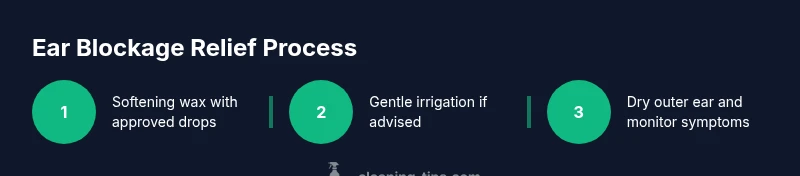
Goal: safely relieve a blocked ear at home using evidence-based steps. You’ll learn when to soften wax with approved drops, how to perform gentle irrigation if advised, and how to monitor for pain, fever, or hearing loss. This quick guide emphasizes avoiding cotton swabs and seeking medical help if symptoms persist.
Causes of a blocked ear
A blocked ear can stem from several common factors, with earwax buildup being the leading cause for many adults. Fluid trapped behind the eardrum after a cold or allergies, or changes in air pressure from flights or diving, can also produce a sense of fullness. In children, enlarged adenoids or nasal congestion may contribute. According to Cleaning Tips, understanding the root cause helps tailor the remedy and avoids unnecessary or unsafe attempts. If the blockage is sudden, follows trauma, or is accompanied by severe pain, fever, or discharge, seek medical advice promptly. In this section we explore typical causes and how they relate to home care.
Safe at-home methods to relieve blockage
Relief at home starts with safe, guideline-based steps. Soften earwax with approved drops, then assess whether irrigation is appropriate for your situation. Always avoid inserting objects into the ear canal, as this can push wax deeper or damage the skin. The Cleaning Tips team emphasizes using only products certified for ear use and following label directions. If you have a history of perforated eardrum, tubes, or ear infection, avoid home irrigation and consult a clinician. This section covers practical approaches, common pitfalls, and how to maximize comfort while protecting hearing.
When not to attempt at-home treatment
Some conditions clearly require professional care: severe pain, fever, drainage from the ear, balance problems, or a history of ear surgery. If you notice bleeding, sudden hearing loss, or painful swelling around the ear, stop any at-home attempts and seek urgent care. Do not perform irrigation if you suspect a perforated eardrum or if you have tubes in your ear. The goal is to prevent injury and ensure safe resolution, not to risk further damage.
How ear drops work to soften wax
Wax-softening drops help reduce the adhesive quality of earwax, making it easier for natural removal or gentle flushing to occur. Choose drops approved for ear use and follow the recommended frequency and duration. Warmer drops feel more comfortable, but avoid using hot or boiling liquids. Be mindful of any allergies to ingredients and discontinue use if irritation appears. This section explains the science behind softening wax and how it integrates with other safe practices.
Gentle irrigation: what you can and can't do
Irrigation can be a helpful step for some people when advised by a clinician. Use a bulb syringe with warm water (not cold) and gently flush the ear canal while keeping the head tilted. Do not force water or aim streams directly at the eardrum. If you experience pain, dizziness, or resistance, stop immediately. Irrigation should be performed with care, and when in doubt, skip this step and consult a professional.
Drying, monitoring, and reducing recurrence
After any moisture exposure or treatment, thoroughly dry the outer ear with a clean towel. Avoid rubbing or inserting fabric into the canal. Monitor for relief within 24-48 hours; if symptoms persist, worsen, or recur, re-evaluate with a healthcare professional. Regular ear hygiene, avoiding cotton swabs, and keeping ears dry during showers or swimming can reduce recurrence. The aim is ongoing ear health and comfort, not quick fixes.
What to do if blockage returns or persists
Persistent blockage warrants professional assessment. Recurrent symptoms may indicate underlying issues such as chronic inflammation, eczema inside the ear canal, or other conditions requiring medical management. The Cleaning Tips analysis suggests documenting your symptoms, onset, and any treatments tried to share with your clinician. A clinician can determine whether wax removal, medication, or further testing is needed.
Authority sources and further reading
For deeper understanding, consult official resources and peer-reviewed guidance:
- National Institute on Deafness and Other Communication Disorders (NIDCD): https://www.nidcd.nih.gov/health/ear-infections
- U.S. National Library of Medicine (NIH): https://pubmed.ncbi.nlm.nih.gov/
- Centers for Disease Control and Prevention (CDC) ear health overview: https://www.cdc.gov/healthywater/ears.html
Tools & Materials
- Ear drops (mineral oil or carbamide peroxide-based)(Follow product instructions; avoid if you have a known perforated eardrum)
- Bulb syringe(Warm water, not hot; use gently; stop if pain occurs)
- Towel or basin(Place to catch and dry water; helps keep area clean)
- Gloves (optional)(Hygienic, especially when sharing tools; not essential)
- Saline solution (optional)(Isotonic saline can be gentler for some users)
Steps
Estimated time: 15-25 minutes
- 1
Gather supplies and prep area
Collect ear drops, a bulb syringe, a towel, and a basin. Clear the space and ensure you have good lighting. This step sets a safe, organized foundation for the procedure.
Tip: Have everything within reach to avoid searching mid-step. - 2
Inspect ear safety and readiness
Check that there is no obvious injury or discharge. If you have a history of perforation or tubes, skip irrigation unless a clinician advised otherwise. Confirm you can lie comfortably on your side for drops.
Tip: If unsure about safety, choose caution and consult a professional. - 3
Apply ear drops to soften wax
Lie on your side with the blocked ear facing up. Administer the recommended number of drops, then stay in position for 5-10 minutes to allow absorption. Refrain from touching or moving the ear during this time.
Tip: Use warm drops to minimize dizziness. - 4
Wait for the recommended duration
Follow the product label; typical times range from 5 to 10 minutes. If you’re treating both ears, repeat on the other side as directed. Do not attempt to accelerate the process with forceful movements.
Tip: Do not skip this waiting period. - 5
Gently irrigate (if advised by clinician)
Fill the bulb syringe with warm water and gently flush the ear canal while tilting the head. Stop immediately if you feel pain, dizziness, or if water cannot enter the canal easily. Avoid strong jets toward the eardrum.
Tip: Only irrigate if your clinician approved this step. - 6
Dry the outer ear and check relief
Carefully dry the outer ear with a clean towel. Check for improved hearing and reduced fullness. If relief is partial, consider repeating steps per guidance or seeking evaluation.
Tip: Keep ears dry for 24-48 hours after treatment. - 7
Decide next steps if symptoms persist
If symptoms persist beyond 48-72 hours, or you experience pain, fever, or discharge, contact a healthcare professional. Do not continue home attempts indefinitely.
Tip: Document symptoms to help your clinician diagnose. - 8
Store and clean equipment
Rinse and dry tools after use; store in a clean, dry place. Dispose of any expired drops. Keeping equipment clean reduces reinfection risk.
Tip: Label bottles with date opened to ensure safety.
Questions & Answers
Is it safe to clean a blocked ear at home?
Many cases are safe with approved ear drops and gentle cleaning. Avoid inserting objects and seek care if symptoms persist or worsen.
Many cases are safe at home with approved drops, but avoid inserting objects and seek care if symptoms persist.
What ear drops should I use?
Use drops designed to soften wax, following label instructions. Avoid hydrogen peroxide unless advised by a clinician.
Use wax-softening drops as directed and avoid harsh solutions unless told to.
When should I see a doctor for a blocked ear?
If pain, fever, discharge, or persistent hearing loss occurs after a couple of days, seek medical care.
See a doctor if symptoms persist or worsen after a short home trial.
Can cotton swabs fix a blocked ear?
Cotton swabs are not recommended; they can push wax deeper or injure the ear canal. Safer methods are advised.
Cotton swabs aren’t recommended; they can cause damage. Use safer methods.
Are there risks with irrigation?
Irrigation can injure the ear if done improperly. Only perform it if advised by a clinician and with proper technique.
Irrigation can be risky if misused; follow professional guidance.
What if I have a perforated eardrum?
Do not irrigate. Seek medical care to address blockage safely and prevent damage.
A perforated eardrum requires medical evaluation; avoid at-home irrigation.
Watch Video
The Essentials
- Identify blockage cause and pick safe methods.
- Avoid inserting anything into the ear canal.
- Use prescribed drops and gentle irrigation when advised.
- Monitor for pain, fever, or hearing loss and seek care if present.
- Keep ears dry to reduce recurrence.