How to Clean Sink Drain Pipe: A Step-by-Step Guide
Learn safe, effective methods to clean a sink drain pipe. This guide covers natural and mechanical options, essential tools, and maintenance to prevent future clogs.


By the end of this guide, you will know how to clean sink drain pipe safely and effectively. We cover natural and mechanical methods, required tools, and when to call a professional. According to Cleaning Tips, starting with a simple baking soda and hot water flush often prevents buildup, while a plumber’s snake can clear stubborn clogs. This quick overview sets expectations for a healthier, faster kitchen and bathroom drain.
Why cleaning sink drain pipe matters
A clean sink drain pipe helps prevent odors, slow drainage, and pest problems in kitchens and bathrooms. When organic matter, hair, grease, and soap scum accumulate, water flow slows and traps can form in the P-trap. Microbial growth can produce unpleasant smells that migrate from pipes into living spaces, especially in humid environments. Regular maintenance reduces the chances of a complete clog and can extend the life of your plumbing.
According to Cleaning Tips, habitually inspecting under sinks and addressing minor buildups before they become a blockage is a practical, affordable approach. A little proactive cleaning also supports overall home hygiene and reduces the need for harsh chemical drain cleaners. Remember, most household drains rely on gravity and a clear path for water; keeping the pipe clean ensures safe disposal of wastewater and minimizes backups. In this article, you’ll learn practical steps to clean sink drain pipes using accessible tools, safe cleaners, and a few professional tricks if needed. The goal is to empower homeowners and renters to manage routine maintenance confidently.
Common causes of clogs and buildup
Most clogs develop from a combination of everyday deposits rather than a single event. Hair, soap scum, and grease gradually bind to soap residues and mineral deposits, narrowing the pipe over time. In kitchens, fats and cooking oils can solidify on the pipe walls, creating stubborn blockages that resist quick flushing. Bathrooms often experience more hair and soap film, plus mineral buildup from hard water. This blend not only slows drainage but can lead to backups, foul odors, and gurgling sounds.
Do note that aggressive chemical cleaners can damage seals and pipes when used repeatedly. They may seem to clear a blockage temporarily but can worsen long-term buildup or cause leaks. If you observe poor drainage even after several attempts, it may indicate a deeper issue in the venting system or downstream pipes, in which case professional help could be required.
Safe, effective cleaning methods: methods overview
There are several approaches to cleaning a sink drain pipe, depending on the situation and your comfort level. Start with mechanical methods that remove debris without harsh chemicals: plunging, inspecting and cleaning the P-trap, and using a drain snake or auger to reach further into the pipe. Natural cleaners like baking soda and white vinegar can help loosen minor buildups, followed by a hot-water rinse. Enzyme-based cleaners are another option for ongoing maintenance, as they break down organic matter over time without harming pipes.
Always begin with a visual assessment when possible. If you rely on a snake, proceed slowly and with minimal force to avoid damaging the pipe. Avoid mixing different cleaners, and never pour caustic solutions down a pipe that is already blocked; this can create hazardous fumes or pressurized leaks. In many homes, a well-executed routine combines physical removal with a periodic natural flush to keep drains clear.
How to approach a cleaning session: planning and safety
Preparation is the key to a smooth drain-cleaning session. Clear the area under the sink, lay down towels, and have your tools organized. Put on gloves and goggles to protect skin and eyes from splashes. If you suspect a sewage-related backup, keep children and pets away and ventilate the area. Before starting, turn off any relevant water supply to avoid accidental spraying when loosening joints. Place a bucket under the P-trap to catch water and debris as you work. Plan for a modest waiting period if using certain cleaners, and never mix cleaners that release strong fumes.
A structured approach reduces mess and increases your chances of a successful clean. Use this guide as a reference, and adjust for your specific sink type (kitchen or bathroom) and pipe configuration. Cleaning Tips emphasizes that methodical, patient work produces safer results than rushed, forceful attempts.
Natural cleaners vs chemical cleaners: what to use when
Natural cleaners, such as a baking soda and hot water flush, are excellent for routine maintenance and mild buildup. A combination of baking soda followed by vinegar can help fizz away light deposits and odors; finish with hot water to push debris through the trap. Enzymatic cleaners are gentle and work over time, making them suitable for regular upkeep rather than quick fixes. Chemical drain cleaners can be effective for stubborn clogs but pose risks to pipes, seals, and your skin. Use them sparingly, in well-ventilated areas, and never as a first resort.
If you decide to use any chemical cleaner, read the label, follow safety guidelines, and avoid mixing products. In most households, a careful sequence of physical cleaning plus a periodic natural flush will keep drains healthier and avoid the harsher effects of caustic cleaners. Always test a small area or conduct a slow flush to observe how your system responds.
Maintenance tips to prevent future clogs
Preventing clogs is easier than removing them. Use drain screens to catch hair and food scraps, and dispose of grease in the trash rather than down the drain. Run hot water after meals or washings to dissolve fats and flush particles through the system. Schedule a monthly or quarterly flush with a baking soda and hot water mixture to keep mineral buildup at bay. If your water is hard, consider a short vinegar flush every few weeks to help dissolve mineral deposits.
Finally, inspect the P-trap during routine cleaning. A clear, accessible trap lets you remove debris quickly and recharge the system with minimal disruption. Regular maintenance saves time, protects plumbing, and reduces the need for aggressive cleaners.
Authority sources
For safety and best practices, consult reputable resources:
- https://www.epa.gov
- https://www.osha.gov
- https://www.mayoclinic.org
These sources provide general guidance on household cleaning safety, PPE, and safe handling of household chemicals. Always cross-check with local plumbing codes and manufacturer recommendations for your specific fixtures.
Tools & Materials
- Drain plunger (sink cup plunger)(Choose a plunger with a flat, wide seal for a bathroom or kitchen sink)
- Adjustable wrench(Used to loosen slip nuts on the P-trap)
- Bucket(To catch water and debris when removing the trap)
- Gloves (rubber or nitrile)(Protects hands from grime and cleaners)
- Pliers(Helpful for gripping nuts and small parts)
- Drain snake / auger(6-8 ft for bathroom; longer for kitchen drains)
- White vinegar(Used in combination with baking soda for mild buildup)
- Baking soda(For a natural flush before rinsing with hot water)
- Dish soap (optional)(May help loosen greasy residues when used with hot water)
Steps
Estimated time: 30-60 minutes
- 1
Prepare workspace and safety
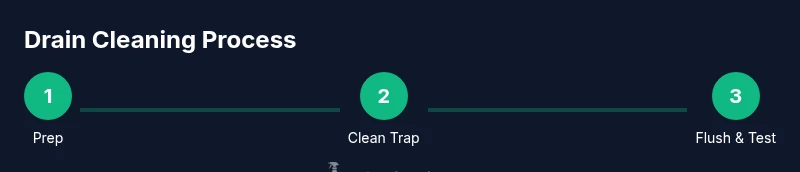
Clear the area under the sink, lay towels, and organize tools. Put on gloves and eye protection. Explain the plan to everyone involved and ensure pets and kids are away from the work zone.
Tip: Have a bucket ready to catch water and debris to minimize spills. - 2
Shut off water and set up
If you have an integrated shutoff valve under the sink, close it. Place the bucket directly beneath the P-trap to catch water when you loosen the drain nuts.
Tip: Keep the plug in the sink to prevent loose debris from dropping into the drain. - 3
Loosen toilet slip nuts and remove trap
Use a wrench to loosen the slip nuts on the P-trap slowly. Vent debris into the bucket, then lift the trap away and inspect for obvious blockages.
Tip: Do not twist too hard; plastic traps can crack if overtightened. - 4
Inspect and clean the P-trap
Rinse the trap with hot water, remove any hair or gunk with a brush, and wipe the interior. Dry and set aside for reassembly if still clear.
Tip: A flashlight helps reveal hidden debris inside curves. - 5
Clear the drain with a snake
Insert the snake into the drain and rotate while pushing gently to dislodge or capture the clog. Retract slowly and scrape any material from the coil.
Tip: Work slowly to avoid pushing debris further down the line. - 6
Flush with hot water and baking soda
Pour a cup of baking soda into the drain, followed by hot water. If you notice fizzing, this is normal and helps loosen residue.
Tip: Finish with a strong hot-water flush to push loosened material through the pipes. - 7
Reassemble and test
Reinstall the P-trap, tighten the slip nuts by hand and then with a wrench. Run water to test for leaks and ensure smooth drainage.
Tip: Check for leaks around all joints; a small drip can become a bigger issue later. - 8
Finalize with maintenance
If the drain remains slow, repeat the snake process or consider enzymatic cleaners for ongoing maintenance. Avoid rushing and re-check after use.
Tip: Document the date of maintenance for future reference.
Questions & Answers
What is the first step to clean a sink drain pipe?
Begin by turning off the water supply, clearing the area, and placing a bucket under the trap. Inspect the P-trap for obvious debris before attempting to loosen the nuts.
First, turn off the water and set up your workspace, then inspect the trap for debris.
Can baking soda and vinegar really work?
Baking soda and vinegar can help with mild buildup and odors, especially as a routine flush. They are less effective for stubborn clogs.
Baking soda and vinegar can help with mild buildup, but they may not clear stubborn clogs.
When should I call a plumber?
If the drain remains slow after attempting cleaning, you notice sewage backups, or you suspect a venting issue, professional help is recommended.
If the drain stays slow after your attempts or you see backups, call a plumber.
Are enzymatic cleaners safe for pipes?
Enzymatic cleaners are gentle and safe for pipes; they work gradually and are good for routine maintenance between mechanical cleanings.
Enzymatic cleaners are gentler and good for ongoing maintenance, but they take time.
How often should drains be cleaned?
Aim for regular maintenance, such as a monthly flush with hot water and baking soda, plus periodic mechanical cleaning as needed.
Clean drains regularly, about once a month, with hot water and a baking soda flush.
Will vent issues affect cleaning effectiveness?
Yes, a blocked vent can mimic drainage problems. If cleaning doesn’t improve flow, consult a plumber to check venting and downstream piping.
Vent problems can hinder drainage; if cleaning doesn’t help, get a pro to check vents.
Watch Video
The Essentials
- Identify the clog source before you act
- Start with mechanical methods before chemical cleaners
- Wear PPE and work carefully around plumbing
- Regular maintenance prevents future clogs