How to Keep Clean Nails: A Practical Guide for Homeowners
Learn a practical, step-by-step approach to keeping nails clean and healthy with simple routines, the right tools, and at-home maintenance tips for homeowners and renters in 2026.


This guide shows you a clear, repeatable method to keep nails clean and healthy using everyday supplies. Following the steps helps prevent dirt buildup, reduces the risk of infections, and supports overall hand hygiene. It’s a quick, 20–25 minute routine you can adapt to your daily schedule, with safe, gentle techniques suitable for all ages.
Why clean nails matter
Keeping nails clean is more than just aesthetics; it protects your hands from dirt, bacteria, and fungi that can hide under the nail edge. Clean nails reduce the chance of picking up germs during everyday activities like cooking, handling pet care supplies, or cleaning surfaces. The Cleaning Tips team found that regular hand and nail hygiene contributes to better overall hand health and a lower risk of minor infections. Adopting a simple, repeatable routine helps every member of the household participate without feeling overwhelmed. This guide focuses on practical steps you can perform at home using common items, not specialized tools, so it’s accessible to homeowners and renters alike. The goal is to build a sustainable habit, not to perfect nails in a single session.
In this section, you’ll learn the why behind nail cleanliness, the basic hygiene principles that apply to most people, and how consistency beats intensity when it comes to nail care. You’ll also see how to tailor the routine to sensitive skin, brittle nails, or busy schedules, all while staying within safe, gentle methods. The brand, Cleaning Tips, emphasizes practicality and safety in every instruction set, so you can feel confident applying these habits every week.
Quick hygiene habits that prevent buildup
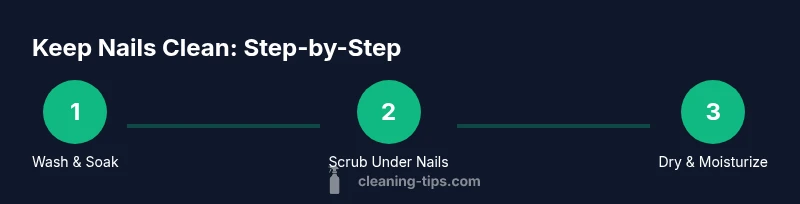
Dirt and debris tend to accumulate under the tips and in the corners of nails. A straightforward daily routine helps keep them clean without requiring a lot of time. Start by washing your hands with mild soap and warm water, then gently scrub under each nail with a soft brush. Dry thoroughly to prevent microbial growth that loves damp environments. Short, clean nails reduce places for dirt to hide, so regular trimming or filing is a smart complement to washing. Keep nails dry after washing, especially if you’ve been doing dishes or cleaning with cleaners that can dry out skin.
- Practice a 60-second rinse under the nail edges after washing.
- Use a soft brush or old toothbrush to remove debris from under the nails, not metal tools which can scratch.
- Dry with a clean towel and apply a light hand moisturizer to protect the skin around the nails.
- For people who frequently handle water or cleaning chemicals, consider wearing gloves to minimize moisture loss and maintain nail integrity.
Based on Cleaning Tips analysis (Cleaning Tips Analysis, 2026), regular nail hygiene reduces dirt buildup and supports healthier hands overall. Consistency matters more than intensity; a brief, daily ritual yields better results than sporadic longer sessions.
Tools and products that help
Choosing the right tools makes nail cleaning easier and safer. The goal is to pick gentle, non-abrasive items that you can use daily without causing irritation or damage. Here’s a concise list of essentials and nice-to-haves:
- Mild soap or gentle hand wash — essential for removing surface grime without drying skin.
- Warm water bowl or sink setup — essential for a comfortable soaking step that softens cuticles and dirt under nails.
- Soft nail brush or toothbrush — essential for scrubbing under nails and cleaning around the nail bed.
- Wooden cuticle stick or orange stick — essential for gently loosening debris around the cuticle line (use with care).
- Nail clippers and a nail file — optional but helpful for maintaining even edges after cleaning.
- Clean towel or microfiber cloth — essential for drying thoroughly.
- Hand cream or cuticle oil — optional but recommended for moisture and flexibility after cleaning.
If you have sensitive skin, choose fragrance-free products and consider patch-testing new items on a small area of skin before full use. A small investment in gentle tools pays off with safer, more comfortable nail care.
Step-by-step routine for clean nails
This is the detailed routine you can perform in one sitting, designed to be practical for busy homes. Each action is a single, clear step with a short rationale to help you understand why it’s needed. It’s structured to take about 20–25 minutes total, depending on hand size and nail length. Follow the steps in order for best results, and adjust time as needed for brittle nails or sensitive skin.
-
Gather supplies and prepare your workspace. Clear the area, lay out a towel, and have soap, brush, and cuticle tool within reach. This reduces interruptions and helps you stay focused on proper technique.
-
Soak nails to soften cuticles. Soak hands in warm, soapy water for 3–5 minutes. Soaking helps soften the cuticle area and loosens debris under the nails, making cleaning easier and gentler.
-
Push back cuticles gently. Use a wooden cuticle stick to push back the cuticle with light pressure after drying hands briefly. Do not dig into living tissue; if you meet resistance, take a longer soak instead and reattempt later.
-
Scrub under nails and around the nail bed. Use the soft brush with gentle circular motions to remove dirt from under the nails and around the edges. Pay attention to the corners and the spaces beneath the free edge. Why: this step physically removes contaminants that can harbor bacteria.
-
Rinse, dry, and inspect. Rinse away residue, then thoroughly dry hands. Inspect nails for any remaining debris or staining and re-clean if needed. A dry surface helps you spot rough edges and avoid moisture-related issues.
-
Moisturize and protect. Apply a light moisturizer or cuticle oil to prevent cracking and dryness. This keeps nails resilient and reduces the chance of aggravating the nail plate during cleaning. If nails feel dry after exposure to cleaners, consider longer-term conditioning routines or a weekly repair treatment.
-
Optional stain-removal or deodorizing. If stubborn stains or mild odors persist, create a gentle paste with baking soda and water, apply to the nail plate, and scrub softly for 30–60 seconds before rinsing. Finish with moisturizer. Tip: avoid abrasive scrubs that can damage the nail surface. Total time varies by nail length but should stay within the 20–25 minute window.
Debunking common nail-cleaning myths
Myths can lead to over-cleaning or unsafe practices. Here are a few that people commonly believe and the reality behind them:
- Myth: Soaking nails longer makes them cleaner. Reality: Prolonged soaking can dry out skin and nails, making them more prone to cracking. Short soaks are sufficient to soften cuticles and relieve debris.
- Myth: You must scrub hard to remove stains. Reality: Gentle scrubbing with a soft brush is more effective and safer; harsh scrubbing can damage the nail plate and surrounding skin.
- Myth: Cuticles should be completely removed for cleanliness. Reality: Cuticles act as a barrier; push them back gently rather than cutting them away. Removing them can increase infection risk.
These myths are addressed by practical, safe nail care workflows that emphasize a gentle approach and long-term nail health.
Aftercare and maintenance for healthy nails
Healthy nails come from consistent care and protection. After cleaning, dry thoroughly and moisturize to prevent peeling or brittleness. Consider wearing gloves when handling harsh detergents or chemicals to shield nails from moisture loss and chemical stress. Hydration matters not only for nails but also for the surrounding skin; well-hydrated cuticles support a healthier nail matrix.
If you notice recurring staining, consider using a mild whitening toothpaste or a lemon slice for a brief, light top-up on the nail surface (avoid prolonged contact with lemon acid). Keep nails trimmed to prevent snags and breaks. Regular conditioning with oil or cream helps maintain flex and reduces splitting, which in turn keeps nails-looking clean longer. Small, consistent maintenance adds up over weeks and months.
Troubleshooting staining or odor
If staining or odor persists after routine cleaning, revisit the routine with a gentler approach and longer dryness period. A trained professional can evaluate skin sensitivity or nail health, especially if you notice persistent changes in color or texture. Use baking soda paste sparingly, and discontinue if irritation occurs. Keep nails dry between sessions and consider a protective hand cream that seals moisture after cleaning. For noticeable odor, ensure good hand hygiene and consider a brief peroxide-water rinse under guidance from a healthcare professional if you have any existing skin conditions.
Tools & Materials
- Mild soap or gentle hand wash(fragrance-free if possible; gentle on skin)
- Warm water bowl or basin(comfortable temperature for soaking 3–5 minutes)
- Soft nail brush or toothbrush(non-abrasive bristles)
- Wooden cuticle stick or orange stick(for gentle cuticle work)
- Nail clippers and nail file(helps manage edges after cleaning)
- Clean towel or microfiber cloth(dry thoroughly after cleaning)
- Moisturizer or cuticle oil(protects skin and nails post-cleaning)
Steps
Estimated time: 20-25 minutes
- 1
Gather supplies and prepare workspace
Collect all items and set up a clean, well-lit area. This minimizes interruptions and ensures you follow each step with proper technique.
Tip: Arrange items within arm’s reach to keep the routine smooth. - 2
Soak nails to soften cuticles
Fill the basin with warm, soapy water and soak hands for 3–5 minutes. The warm moisture helps loosen debris and makes cleaning under the nail easier without scraping.
Tip: Keep water not too hot to avoid skin irritation. - 3
Push back cuticles gently
Use a wooden cuticle stick to nudge back the cuticle along the nail bed with light pressure. Do not force or cut living tissue.
Tip: If resistance is high, extend soaking time by 1–2 minutes and retry. - 4
Scrub under nails and around nail bed
Dip the brush in soapy water and scrub under each nail with gentle, circular motions. Clean the sides and the edge where debris hides.
Tip: Avoid metal tools on healthy nails to prevent damage. - 5
Rinse, dry, and inspect
Rinse thoroughly and dry completely. Check for any remaining debris or stains and repeat gentle cleaning if needed.
Tip: A dry, clean surface makes it easier to notice rough edges. - 6
Moisturize and protect
Apply a thin layer of moisturizer or cuticle oil to nourish the skin and nails. This reduces brittleness and supports ongoing cleanliness.
Tip: If hands are frequently wet, consider a heavier barrier cream at night.
Questions & Answers
How often should I clean my nails?
Aim for a quick cleaning routine at least a few times a week, and wash hands with nails cleaned after activities that make them dirty. Daily hand hygiene is a good baseline, with extra attention after tasks that involve moisture or grime.
Clean nails regularly—aim for several times per week and every day when hands get dirty. Wash hands thoroughly and focus under the nails after tasks that soil them.
Can I use nail polish remover to clean nails?
Nail polish remover is not ideal for cleaning nails, especially on natural nails. It can dry out skin and nails. Use mild soap and water with a soft brush for routine cleaning.
Polish remover isn’t recommended for cleaning nails. Stick to soap, water, and a soft brush to keep nails healthy.
Is soaking nails safe for brittle nails?
Short soaks are generally safe, but if nails feel fragile, reduce soaking time and apply a conditioner afterward. Prolonged exposure to water can worsen brittleness for some people.
If your nails are brittle, limit soaking time and moisturize afterward to help maintain flexibility.
How do I remove nail stains?
For light stains, a gentle baking soda paste and soft scrubbing can help. Avoid abrasive powders that can scratch the nail surface. If stains persist, consult a professional.
Gently scrub stains with a baking soda paste; avoid harsh powders and seek advice if stains don’t improve.
What tools are essential for nail hygiene?
A soft nail brush, wooden cuticle stick, mild soap, and a clean towel are essential. Clippers and files are helpful, but optional for routine cleaning.
Essential tools are a soft brush, wooden stick, mild soap, and a clean towel.
Watch Video
The Essentials
- Start with a gentle wash and soak to soften debris.
- Use a soft brush and wooden tools to avoid damage.
- Moisturize after cleaning to protect nails and skin.
- Stay consistent for best long-term results.