Rust Stain Removal in Toilet Bowls: A Practical Guide
Learn practical, step-by-step methods to remove rust stains from toilet bowls with household options, safety tips, and prevention strategies for 2026.


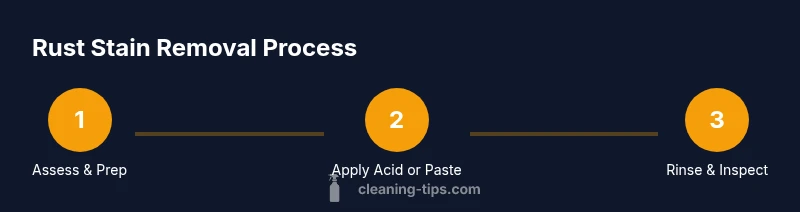
To remove rust stains from a toilet bowl, start with simple household treats and move to specialty cleaners if needed. Gather gloves, a toilet brush, white vinegar or lemon juice, baking soda, and a non-scratch scrubbing pad. Apply the acid or paste, wait 5–15 minutes, scrub gently, and flush. For persistent stains, repeat or switch methods.
What clean rust in toilet bowl means
When you’re looking at orange-brown marks inside a toilet bowl, you’re seeing mineral-based staining that often results from iron in hard water and the long-term interaction of water with metal components in plumbing. If you’re asking what clean rust in toilet bowl means, it refers to stubborn mineral stains that cling to porcelain rather than surface dirt. These stains form slowly and can vary in intensity depending on water composition, pipe age, and cleaning frequency. Recognizing the distinction between mineral rust and organic grime helps you choose methods that protect the glaze and avoid scratching the porcelain. In many homes, the culprit is a combination of iron in the water and iron-containing pipes that occasionally leach small amounts of metal into the bowl. Cleaning tips from Cleaning Tips emphasize starting with mild options and escalating only as needed, to minimize exposure to acids and keep the toilet looking bright and sanitary. The goal is to restore a clean appearance without damaging the finish, which is especially important in rental properties where wear-and-tear must be avoided. Addressing rust stains also improves hygiene and odor control, since mineral buildup can trap bacteria over time.
Causes and sources of rust staining in toilets
Rust staining in toilets is typically tied to mineral content in water and the presence of iron in plumbing. When hard water sits in the bowl, iron can oxidize and produce reddish-brown deposits that cling to the ceramic surface. Corroded metal parts around the toilet tank or supply lines may contribute trace metals that relocate with water flow, especially if you have older pipes. Another factor is stagnation: if the bowl isn’t flushed frequently, minerals have more time to bond with the glaze. Some rust stains appear after long periods of cleaning with aggressive products, which can wear the glaze and make stains more noticeable. Understanding hard-water chemistry and the local water source (well water vs. municipal supply) helps you predict stain severity and plan a long-term approach that reduces future buildup. Cleaning Tips notes that prevention—like periodic light cleaning and water-softening options—can dramatically reduce future rust issues.
Quick comparison of rust-removal approaches
There are several pathways to tackle rust in the toilet bowl, each suited to different stain severities and preferences. Natural acids, such as white vinegar or lemon juice, are gentle options that work well for light rust and mineral buildup. Baking soda creates a paste that can gently abrasive-clean the surface when combined with a little water. For tougher stains, citric acid or commercial rust removers may be more effective, but these should be used with care and according to label directions. Oxalic acid-based rust removers are common in households, but they require precautions and ventilation. In general, the best approach for the question of how to clean rust in a toilet bowl is to start mild, test on a small area, and escalate if the stain persists. Remember, the goal is to remove rust without scratching the porcelain or bleaching the glaze. Cleaning Tips recommends a staged approach: begin with mild cleaners, then move to paste-and-scrub methods, and finally consider a specialized rust remover if necessary. The phrase what clean rust in toilet bowl often arises when people search for a simple resolution, but most homes will benefit from a layered plan rather than a single quick fix.
Step-by-step household methods for rust in a toilet bowl
A practical approach combines familiar kitchen ingredients with careful brushing. Start by pairing a mild acid like white vinegar with a gentle paste of baking soda. Apply the paste to the stained area, add vinegar to activate the paste, and let it sit for several minutes. Then scrub with a non-scratch pad or a toilet brush using circular motions. Rinse thoroughly and flush to assess results. If orange-brown streaks remain, reapply the paste or switch to lemon juice or citric acid, which can help dissolve mineral deposits without harsh chemicals. For very stubborn rust, a commercial rust remover may be appropriate, but always follow the product’s safety instructions and use gloves and ventilation. The key is to test first on an inconspicuous area, avoid mixing cleaners, and give the solution time to work before scrubbing aggressively. In all cases, maintain your bathroom’s ventilation to minimize exposure to fumes. Some homes may see faster results with a heated vinegar solution—warm but not boiling—to boost cleaning efficiency. As Cleaning Tips notes, patience and proper technique often beat brute scrubbing power when dealing with rust in toilets.
When to call a professional and safety considerations
If rust stains persist after multiple attempts, or if you notice pitting, glaze wear, or leakage, it’s time to consult a professional plumber. Prolonged exposure to aggressive rust removers or improper use can damage porcelain or sealants. Always wear gloves and eye protection, and ventilate the bathroom when using acids or strong cleaners. Never mix acidic cleaners with ammonia or bleach, as dangerous gases can form. For renters or owners who want to avoid chemical exposure, consider a professional service that specializes in mineral stain removal and enamel-safe techniques. Cleaning Tips emphasizes that safety lays the foundation for effective rust removal; when in doubt, postpone aggressive cleaning and seek expert guidance to prevent costly repairs.
Prevention: Keeping rust from returning in your toilet bowl
Prevention is simpler than repeated cleaning. Regular light cleaning with mild cleaners or a mixture of vinegar and water can help prevent mineral buildup. If your water is high in iron, consider a basic water-softening solution for the home, or install a filtration system for the toilet’s supply line. Prompt cleaning after hard-water stains appear reduces their bonding time with the glaze. Keeping the sponge and brush clean between uses minimizes cross-contamination of mineral deposits. Routine maintenance—such as checking for leaks or corroded components—helps ensure iron-containing elements don’t continuously deposit rust into the bowl. Cleaning Tips notes that a proactive routine reduces the frequency and intensity of rust stains, making what clean rust in toilet bowl less daunting over time.
Tools & Materials
- rubber gloves(Protect hands from cleaners and rust particles)
- toilet brush(Stiff-bristled brush preferred for stubborn rust)
- white vinegar (5–8% acidity)(Natural acid that helps dissolve mineral buildup)
- baking soda(Creates a gentle abrasive paste with water)
- lemon juice(Natural acid option for lighter stains)
- non-scratch scrubbing pad(Avoid scratching porcelain)
- spray bottle(For applying liquids evenly)
- citric acid powder(Alternative acid for paste or solution)
Steps
Estimated time: 25-40 minutes
- 1
Prepare area and safety gear
Put on gloves, open a window or turn on ventilation, and lay towels to catch drips. Gather all tools within reach so you don’t interrupt the cleaning flow. This initial setup reduces the chance of splashes and keeps the bathroom organized.
Tip: Ventilation helps dissipate fumes from acids used for rust removal. - 2
Choose your rust-removal method
Decide between a mild acid (vinegar or lemon juice) or a baking-soda paste, based on stain severity. For light rust, start with vinegar or lemon juice; for heavier stains, a baking-soda paste followed by light scrubbing often works well.
Tip: Test a small area first to ensure the glaze isn’t damaged. - 3
Apply cleaner to the stained area
Apply the cleaner directly to the stain and gently spread it to cover the entire affected zone. If using baking soda, sprinkle the paste on the stain; if using vinegar, pour or spray it evenly over the paste after application.
Tip: Keep the cleaner off chrome fixtures to avoid unwanted staining. - 4
Let the cleaner sit
Allow the cleaner to sit on the rust for 5–15 minutes. Do not let it dry completely. Re-wet the area if it starts to dry; dampness helps the solution penetrate mineral deposits.
Tip: Avoid prolonged soaking, which can dull the glaze over time. - 5
Scrub gently and inspect progress
Use a non-scratch pad or toilet brush in small circles to lift the stain. Pause to inspect; if some rust remains, repeat the application or switch to another method.
Tip: Use circular motions to work the paste into the pores of the glaze without scratching. - 6
Rinse and flush
Rinse the bowl thoroughly with clean water, then flush to clear residue. If you still see orange-brown marks, repeat one of the previous steps or try a different cleaner.
Tip: A second flush ensures no cleaner residue remains that could irritate skin or eyes.
Questions & Answers
What causes rust in toilet bowls?
Rust in toilets usually comes from iron in hard water and corrosion of nearby metal fixtures. Mineral buildup can bond with the glaze over time, creating stubborn stains.
Rust in toilets comes from iron in water and corroded fixtures; mineral buildup bonds with the glaze over time.
Can rust stains be removed without chemical cleaners?
Light rust can often be removed with household acids like vinegar or lemon juice. For tougher stains, a baking soda paste or a commercial rust remover may be necessary, following safety instructions.
Yes, light rust can often be removed with vinegar or lemon juice; tougher stains may need a baking soda paste or rust remover with proper safety.
Is vinegar safe for porcelain surfaces?
White vinegar is generally safe for porcelain when used in moderate amounts and not left to sit too long. Avoid soaking enamel surfaces or mixing with harsh chemicals.
Vinegar is typically safe for porcelain in moderation, but avoid soaking enamel and don't mix with strong chemicals.
Why does rust keep returning after cleaning?
Rust can return if hard water continually deposits iron, if there are leaks near metal parts, or if mineral buildup isn’t fully removed. Regular maintenance reduces recurrence.
Rust recurs when hard water keeps delivering iron or if residues aren’t fully removed; routine care helps prevent it.
How often should I clean rust stains?
For homes with hard water, a light monthly cleaning helps prevent buildup. In areas with softer water, quarterly cleaning may suffice, depending on stain visibility.
Clean rust stains seasonally, with more frequent attention if your water is hard.
Can I use a pumice stone on porcelain for rust?
Pumice stones can scratch porcelain if used aggressively. It’s better to stick with non-scratch pads and gradual cleaning methods to protect the glaze.
Avoid abrasive pumice; use non-scratch pads and gradual cleaning instead.
Watch Video
The Essentials
- Test cleaners first to protect the glaze.
- Start with mild acids; escalate if needed.
- Avoid mixing cleaners to prevent harmful fumes.
- Prevention reduces future rust buildup.