Where to Remove Ingrown Nail: Safe Home Care Guide
Learn where you should remove an ingrown nail, when home care is appropriate, and how to prevent infection with a clear, step-by-step approach and practical precautions.


This guide explains where to remove ingrown nail and how to manage mild cases safely at home. It covers proper hygiene, straight trimming, soaking, antiseptic care, and when to seek medical help for infection or severe pain. Use home care only for light symptoms; consult a clinician for persistent or worsening problems.
Understanding ingrown nails
An ingrown nail happens when the nail edge grows into the skin, causing localized pain, redness, and sometimes swelling. The most common location is the big toe, but any fingernail or toenail can be affected. Factors such as tight or ill-fitting footwear, rapid nail growth, tight trimming, or a naturally curved nail can contribute to this condition. For readers seeking practical, safe care, the goal is to relieve pressure, reduce the risk of infection, and guide growth away from the skin. According to Cleaning Tips, a solid understanding of the nail’s anatomy helps readers decide whether home care is appropriate and when to seek professional help. Remember: home care is typically for mild cases, not for nails that are deeply embedded or actively infected. When in doubt, err on the side of caution and consult a clinician.
Assessing severity and deciding where to remove
Severity ranges from mild irritation to a nail edge piercing the skin with visible inflammation. A key decision is whether any portion of the nail is actually under the skin and whether you can access it safely without causing further injury. If the pain is manageable, there is no spreading redness, and there is no pus, many cases can be monitored with careful home care. However, if swelling worsens, you notice fever, or the area becomes warm to the touch, professional evaluation is advised. Cleaning Tips analysis emphasizes not attempting to surgically remove a nail at home when you cannot clearly visualize the edge or when the skin is very inflamed. In such cases, a clinician can assess the situation, perform a safe removal, and prevent complications.
At-home care principles
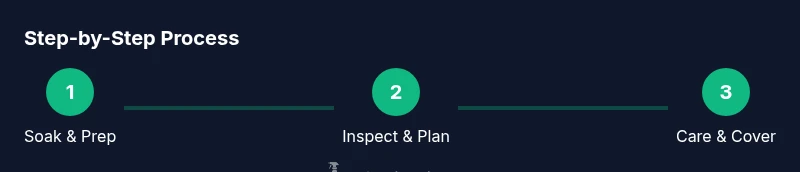
The cornerstone of home care is to keep the area clean, dry, and protected while the nail grows out. Soaking softens skin and the nail, making it easier to manage without forceful pulling. Always use sterile tools and clean surfaces to minimize infection risk. When you trim, cut straight across the nail rather than rounding the edges to prevent future ingrowth. If a corner of the nail is visible, you may gently ease it away from the skin using a sterilized blunt tool, but never dig or force the nail back. After care, apply an antiseptic and cover with a sterile bandage to keep the area clean. The Cleaning Tips team advises stopping home treatment if pain intensifies or if signs of infection appear; seek professional care promptly in those situations.
When to avoid home treatment and seek medical care
Home care is usually appropriate for mild, non-infected cases. Do not attempt to remove a nail if you see significant skin infection, pus, increasing redness, fever, or if you have diabetes, poor blood flow, or neuropathy. In these scenarios, professional care is important to prevent serious complications. Podiatrists or clinicians may perform a safe nail removal under sterile conditions or offer alternative treatments such as nail trimming, partial nail avulsion, or guidance on footwear and nail hygiene. In any case, avoid self-diagnosis and prolonged self-treatment if symptoms do not improve within a few days or worsen.
Post-care and infection prevention
Once you have managed the initial care, focus on preventing recurrence and infection. Keep nails trimmed straight across and avoid tight shoes that press on the toes. Wear breathable socks and shoes to reduce moisture buildup, which can promote bacterial growth. Clean the area daily, reapply a thin layer of antibiotic ointment if advised by a clinician, and cover with a fresh bandage until the skin heals. If pain returns or swelling recurs after a few days, reassess the situation and consider a professional evaluation. The overall message is consistency in hygiene, monitoring for infection signs, and seeking care when symptoms persist or worsen.
Authoritative resources and references
For further reading and official guidance, consider the following reputable sources:
- Centers for Disease Control and Prevention (CDC): https://www.cdc.gov
- National Institutes of Health (NIH): https://www.nih.gov
- Mayo Clinic: https://www.mayoclinic.org
These resources offer general guidance on foot health, signs of infection, and when to seek care. They are intended to complement professional medical advice, not replace it. Cleaning Tips’s approach aligns with these principles, emphasizing safe home care for mild cases and prompt medical evaluation when risk factors or symptoms escalate.
What not to do
Avoid pulling, ripping, or surgically attempting to remove the nail edge at home. Do not cut nails aggressively or clip corners deeply in an attempt to remove embedded tissue. Do not rely on unverified home remedies that promise instant results, such as popping blisters or applying irritants. The safest strategy is to follow a clean, measured process and seek professional evaluation if any red flags appear.
Tools & Materials
- Foot basin or tub(Large enough for soaking the affected foot)
- Warm water(Comfortably warm; test to avoid scalding)
- Sterile nail clippers(Sharp and clean; dedicated for personal care)
- Sterile cotton balls or gauze(For cleaning and padding)
- Antiseptic solution (povidone-iodine or alcohol-based)(For cleaning the skin around the nail)
- Antibiotic ointment(Thin layer after cleaning)
- Bandages or sterile gauze(To cover and protect the area)
- Optional: Epsom salt(May help reduce swelling when used in soaking water)
- Gloves(Maintain hygiene while handling tools)
- Sterile blunt tool or tweezers(Only if you are comfortable and can maintain sterility)
Steps
Estimated time: 30-60 minutes
- 1
Wash hands and sanitize tools
Begin by washing hands with soap and water for at least 20 seconds. Clean and sanitize all tools you plan to use, and set up a clean workspace. This minimizes the risk of introducing bacteria to the affected toe or finger.
Tip: Work on a clear, well-lit surface and dry hands thoroughly before touching the nail. - 2
Soak the affected foot or hand
Soak in warm water for 15-20 minutes to soften the skin and nail edge. You may add a small amount of Epsom salt if available. Dry thoroughly after soaking to prepare for inspection.
Tip: Soaking helps reduce pain and makes the nail edge easier to manage without forcing it. - 3
Inspect the nail edge
Gently observe where the nail is cutting into the skin. If you can clearly see a visible edge under the skin and it’s not inflamed, you may proceed with careful, minimal intervention. If there is pus, redness spreading, or intense pain, stop and seek care.
Tip: Do not attempt to peel back skin aggressively; only address the nail edge that is clearly visible. - 4
Trim the nail straight across (if safe)
Using sterile clippers, trim the nail edge straight across if any part is under the pink skin and causing irritation. Do not round the corners. This reduces the chance of the nail growing into the skin again.
Tip: Avoid cutting nails too short and never dig into the skin; minor trimming is safer than removal. - 5
Clean, antiseptic, and protect
Wash the area again, apply antiseptic to the skin, and lightly coat with antibiotic ointment. Place a sterile gauze pad or bandage over the area to protect it from friction and contamination.
Tip: Change the dressing daily and after soaking; keep the area dry between applications. - 6
Monitor for changes
Over the next several days, monitor pain, swelling, and redness. If symptoms worsen or fail to improve within 48-72 hours, seek medical advice to prevent complications.
Tip: Keep nails trimmed and wear breathable, comfortable footwear to reduce pressure. - 7
Plan follow-up care
If symptoms persist or if you have risk factors (diabetes, poor circulation), arrange a follow-up with a clinician. They can determine whether further treatment is needed and provide professional nail care.
Tip: Document any changes and seek urgent care if fever or spreading redness occurs.
Questions & Answers
Can I safely remove an ingrown nail at home?
Only for mild, non-infected cases and when you can clearly see the nail edge. Do not attempt aggressive removal if the area is red, swollen, or painful. Seek professional care if you are unsure.
Only for mild, non-infected cases when you can clearly see the nail edge; avoid aggressive steps and seek professional help if unsure.
What are the signs that an ingrown nail is infected?
Persistent redness, warmth, increasing pain, swelling, pus, or fever are signs of possible infection. If these occur, contact a healthcare professional promptly.
Watch for redness, warmth, swelling, pus, or fever; these may indicate infection and require medical attention.
When should I see a healthcare professional for an ingrown nail?
If there is significant pain, redness spreading, pus, diabetes, poor circulation, or if the nail is deeply embedded, seek care. A clinician can perform safe removal and advise on healing.
Seek professional care if there’s severe pain, spreading redness, pus, or if you have diabetes or circulation issues.
What supplies do I need to care for an ingrown nail at home?
You’ll need a foot basin, warm water, sterile nail clippers, antiseptic, antibiotic ointment, and sterile bandages. Optional items include Epsom salt and gloves to maintain hygiene.
Gather a basin, warm water, sterile clippers, antiseptic, antibiotic ointment, and bandages; add Epsom salt if available.
Can ingrown nails be prevented after removal?
Yes. Trim nails straight across, wear well-fitting shoes, keep feet clean and dry, and protect with appropriate padding as needed. Regular nail care reduces recurrence risk.
Trim nails straight across, wear proper footwear, and keep the area clean and dry to prevent recurrence.
Watch Video
The Essentials
- Know when home care is appropriate and when to seek care.
- Trim nails straight across to reduce ingrowth likelihood.
- Keep the area clean, dry, and protected during healing.
- Watch for infection signs and act quickly if they appear.