How to Keep Yourself Clean: A Practical Hygiene Guide
Learn practical steps to maintain personal cleanliness at home, from daily hygiene routines to laundry and surface care. This Cleaning Tips guide helps homeowners build healthy habits that are sustainable and easy to follow.


Keep yourself clean with a simple, daily hygiene routine: wash skin, hair, and mouth; wash hands regularly; wear clean clothes; and maintain tidy living surfaces. Build these habits into two to three daily routines and a weekly laundry/cleaning plan to stay fresh and healthy. This approach answers the question who do you keep yourself clean with tangible, repeatable steps.
Why Personal Cleanliness Matters
According to Cleaning Tips, maintaining personal cleanliness reduces the spread of everyday germs and supports healthier skin, comfort, and confidence at home. If you ever wondered who do you keep yourself clean, the answer is actively choosing simple, consistent routines that fit your lifestyle. In modern homes, cleanliness isn’t just about appearances—it affects comfort, social interactions, and long-term well-being. This section lays the foundation by explaining why personal hygiene matters beyond vanity: it protects you from common irritants, allergies, and infections, supports better sleep and mood, and makes shared living spaces more pleasant for everyone.
Keep in mind that personal cleanliness is a system, not a single act. Regular routines—daily washing, proper dental care, and timely laundering—create a protective baseline. When you stay consistent, you reduce the chance of skin irritations, odors, and buildup on items you touch every day. The core idea is simple: small, repeatable actions compound over time and form healthy habits that are easier to maintain than sporadic, intensive cleanups. The Cleaning Tips team emphasizes that adopting a realistic routine is more effective than chasing perfection.
Daily Hygiene Foundations
A reliable daily hygiene routine centers on four pillars: skin care, oral care, hand hygiene, and clean clothing. Start with a warm shower or bath using a gentle cleanser suitable for your skin type. Use a mild shampoo and conditioner if your hair requires it; ensure water temperature is comfortable to avoid drying skin. Brush your teeth twice daily with fluoride toothpaste, and floss or rinse as recommended. The core habit of frequent handwashing before meals, after using the bathroom, and after touching shared surfaces dramatically lowers the transfer of germs. Keep a clean towel accessible and use it to dry hands and face thoroughly. Finally, manage laundry by sorting clothes from the start and washing them in an appropriate cycle with a suitable detergent. By treating these routines as daily non-negotiables, you create a strong hygiene foundation.
A practical note: who do you keep yourself clean is answered by consistency more than intensity. If you miss a morning shower, you can still reclaim cleanliness with a quick warm rinse and fresh clothing. The goal is to make cleanliness effortless by embedding it into your day—pairing it with existing habits (like teeth brushing after breakfast) makes adherence much easier. The more you normalize these actions, the less you will notice them, but the benefits—confidence, comfort, and reduce irritation—will be evident over time.
Tools & Materials
- Soap or body wash(fragrance-free recommended if sensitive)
- Shampoo(suitable for your hair type)
- Toothbrush(soft-bristled)
- Toothpaste(fluoride toothpaste)
- Towel(clean and dry)
- Hand sanitizer(optional if soap is unavailable)
- Laundry detergent(for regular clothing care)
- Laundry hamper(optional but helpful for organization)
Steps
Estimated time: 30-40 minutes
- 1
Prepare your hygiene space
Set up a clean, organized area with towels, soaps, and tools within easy reach. Clearing clutter reduces distraction and makes routine steps faster. This upfront organization saves time and helps you follow through every day.
Tip: Place a small caddy or basket near the shower and sink to keep essentials together. - 2
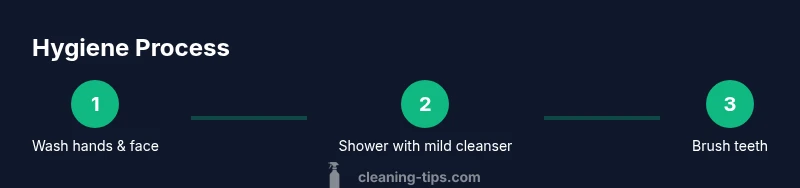
Wash hands and face first
Begin with warm water and soap, lather for at least 20 seconds, then rinse and dry. Cleaning Hands and face at the start of your routine signals the body to transition to cleanliness and helps prevent germ spread.
Tip: Sing a short tune or count slowly to reach the 20-second mark. - 3
Shower or bathe with a mild cleanser
Use a gentle body wash or soap that suits your skin type. Focus on key areas—underarms, groin, and feet—then rinse thoroughly. Pat skin dry to protect moisture and avoid irritation.
Tip: Avoid hot water that can dry out skin; lukewarm is best. - 4
Brush teeth and mouth care
Brush for two minutes, cover all surfaces, and finish with mouth rinse if desired. This supports fresh breath and reduces plaque buildup, contributing to overall cleanliness.
Tip: Use a fluoride toothpaste and replace your toothbrush every 3–4 months. - 5
Dress in clean clothes and manage laundry
Put on fresh clothing after your shower. Sort laundry by color and fabric, wash on an appropriate cycle with the right detergent, and dry according to care labels.
Tip: Pretreat obvious stains with a gentle stain remover before washing. - 6
Tidy up your environment
Wipe down high-touch surfaces, refresh towels, and ensure the bathroom and laundry areas stay dry to prevent mold and odor buildup.
Tip: Ventilate after cleaning to avoid lingering fumes. - 7
Review and reinforce your routine
Reflect on what worked and what didn’t this week. Tweak timings or products to fit your lifestyle while preserving core steps.
Tip: Set a recurring reminder to maintain consistency.
Questions & Answers
How often should I shower or bathe?
Showering frequency depends on climate, activity level, and personal comfort. In most climates, daily or every other day is common, but adjust based on skin type and odor. Consistency matters more than perfection.
Most people shower daily or every other day; adjust for climate and activity, but keep a consistent routine.
Is hand sanitizer enough if soap isn’t available?
Hand sanitizer is a good supplement when soap and water aren’t available. For best results, wash with soap and water when you can, especially after using the bathroom or before preparing food.
Use soap and water when possible; sanitizer is a good backup in a pinch.
Do I really need to brush my teeth twice a day?
Brushing twice daily helps prevent cavities and maintains fresh breath. Pair with flossing or mouth rinse as part of your oral care routine.
Yes, brushing twice a day is essential for dental health.
What about laundry for sensitive fabrics or colors?
Sort laundry by fabric type and color, use gentle cycles as needed, and choose detergents appropriate for sensitive skin. Always check labels to prevent damage.
Sort by fabric and color and use the gentlest suitable wash setting.
What should I do if my skin irritates after cleaning?
If irritation persists, switch to fragrance-free products, minimize washing with hot water, and consult a dermatologist if needed. Consider patch testing new products first.
If irritation continues, try fragrance-free products and see a dermatologist if it doesn’t improve.
Watch Video
The Essentials
- Establish a simple, repeatable hygiene routine
- Prioritize handwashing and oral care daily
- Create a clean, organized space to support consistency
- Launder clothes regularly and avoid harsh products
- Build habits that fit your lifestyle for lasting cleanliness