How to Clean Carpet with Baking Soda
Learn to clean carpet with baking soda using a simple, effective method. This guide covers safe usage, step-by-step directions, stain handling, and maintenance tips for a healthier home.


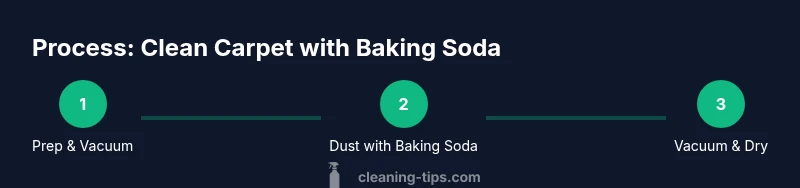
To clean carpet with baking soda, start by prepping the room, vacuuming thoroughly, and evenly sprinkling the powder. Let it sit to absorb odors, then vacuum again. For stains, apply a baking soda paste, blot, and re-vacuum. This dry approach is safe for most fibers and complements routine cleaning.
Why clean carpet with baking soda is a popular choice
Clean carpet with baking soda is a popular choice for quick, budget-friendly deodorizing and light soil removal. Baking soda is inexpensive, relatively safe for many carpet types, and easy to apply, making it a staple in many Cleaning Tips routines. According to Cleaning Tips, this approach works best as a maintenance option between deeper cleanings. The powder absorbs odors and lifts surface particles, leaving a fresher feel underfoot. For busy households or rental spaces, implementing a regular dry-cleaning routine with baking soda can reduce the need for frequent steam cleaning, while still giving carpets a cleaner appearance. Used correctly, this method minimizes chemical exposure and supports a healthier home environment. In addition, the technique scales from small apartments to larger living areas; you can adjust the amount of baking soda to cover the carpeted area evenly. When you clean carpet with baking soda, you’re not only masking smells—you’re neutralizing acids and capturing loose dirt in the powder. This makes it a practical first step before renting a machine or calling a professional.
What baking soda does for carpet cleaning
Baking soda acts as a mild abrasive, a moisture absorber, and an odor neutralizer. It helps lift surface dirt and can absorb moisture from spills, which reduces the chance of mildew in damp carpets. If you want to clean carpet with baking soda, understanding how it works helps you apply it effectively. The powder is non-toxic when used as directed and is widely available, making it a convenient option for quick refreshes. Remember, baking soda handles odors and light soil well, but it isn’t a substitute for a deep rinse or professional cleaning on heavily soiled carpets. For best results, pair this method with thorough vacuuming and, when needed, a gentle cleaning solution designed for your carpet type. Keeping expectations reasonable will help you achieve a brighter, more pleasant carpet without harsh chemicals.
Safety and carpet type considerations
Most synthetic carpets tolerate baking soda well, and it’s generally safe for households with kids and pets when used properly. However, not all fibers react the same way. Wool, silk, or certain untreated natural fibers may discolor or become stiff if exposed to powders too regularly. Always test a small, inconspicuous area before treating a visible section. If you spot colorfastness, reduce the amount used and avoid leaving heavy residue on delicate fibers. In the Cleaning Tips framework, these precautions help prevent unwanted changes in texture and color, while still delivering deodorizing benefits. Ventilate the room during treatment to minimize any powdery odor and to speed up drying once you finish.
Prep and room setup
Effective carpet cleaning with baking soda begins with proper prep. Move furniture away from the area and remove small items to create an open workspace. Vacuum the carpet thoroughly to remove loose dirt, dust, and pet hair—this step matters because baking soda works best when it can interact with odors and soils, not blocked by heavy debris. If you’re using a larger room, consider dividing the space into sections to ensure even distribution. Open windows or turn on a fan to improve air circulation during the process. A dry approach like this keeps humidity down and reduces the risk of mold while you refresh the carpet. If you’re planning a deeper clean, you can also pre-treat stubborn stains with a minimal amount of water before applying the baking soda.
Step-by-step overview: dry application approach
This section provides a concise blueprint for the dry application method. Start by evenly distributing a light layer of baking soda over the carpet you want to refresh. Use a scoop or shaker for even coverage, aiming for a dusting thick enough to cover fibers but not soak the surface. Allow the powder to rest for odor absorption and dirt lift—typically 15–60 minutes depending on traffic and room humidity. Finally, vacuum thoroughly with slow, overlapping passes to extract the powder and any entrapped soils. The key is to balance coverage with short contact time to avoid residual buildup. In sections with persistent odors, you can repeat the cycle for better results.
Testing stains and deodorizing pastes
For stubborn stains or strong odors, you can create a baking soda paste by mixing baking soda with a small amount of water until it forms a spreadable consistency. Apply the paste to the stain, let it dry completely (usually 15–30 minutes), then brush lightly and vacuum away the residue. This paste approach helps lift color and lift soils embedded in the carpet fibers without introducing excess moisture. Always test on a hidden patch first to ensure colorfastness, and avoid applying paste to delicate fibers or nap directions that could be damaged by scrubbing. If the stain persists after paste treatment, consider a specialized enzyme cleaner or consult a professional.
Post-cleaning care: vacuuming and drying
After any baking soda treatment, vacuum again to remove all powder. Use a high-suction setting and go over each pass slowly to ensure no residue remains. For larger rooms or high-traffic areas, a second pass may be warranted. Once the powder is removed, give the carpet time to dry fully before placing furniture back in place or walking on it with heavy shoes. Good ventilation accelerates drying and reduces the chance of musty odors returning. A properly dried carpet helps prevent re-soiling and keeps the fabric supple and visually appealing.
Common mistakes and how to avoid them
Common mistakes include using too much baking soda, which makes residue harder to remove, and skipping the vacuum step after treatment. Always test colorfastness and avoid leaving powder on the carpet for extended periods in rooms with poor ventilation. Do not mix baking soda with vinegar directly on the carpet, as the fizz can push soils deeper in some fabrics and create a wetter surface. Finally, avoid using baking soda on wet carpets or immediately after a spill that requires a humidity reset; let the area dry before applying the powder.
Maintenance routines to keep carpets fresh
A simple maintenance routine makes a big difference. Vacuum regularly—ideally once or twice a week in high-traffic areas. Use baking soda as a quick refresh between deep cleans by lightly dusting the carpet, letting it sit briefly, and vacuuming thoroughly. Rotate the furniture to alter wear patterns and prevent excessive staining in any single spot. Combine this dry method with an occasional mild carpet cleaner recommended by manufacturers to maintain long-term fiber health. The Cleaning Tips team suggests integrating this approach into your seasonal cleaning plan to sustain a bright, odor-free carpet year-round.
Tools & Materials
- Baking soda (unscented, fine granules)(Choose regular baking soda; 1–2 cups for small rooms; more for larger areas)
- Powerful vacuum cleaner with brush attachment(HEPA filter preferred; use slow, overlapping passes)
- Soft-bristled carpet brush or old toothbrush(For gentle spot scrubbing around stains)
- Clean water (spray bottle or bowl)(For dampening paste or area as needed)
- Microfiber cloths or towels(For blotting moisture or paste residues)
- Measuring cup or scoop(Helps distribute baking soda evenly)
- White vinegar (optional)(Use sparingly; avoid mixing with baking soda on carpet)
Steps
Estimated time: 45-60 minutes
- 1
Clear the room and prep
Move furniture away from the area and remove small items. Check for visible stains and note any high-traffic spots. This preparation ensures the powder can reach all fibers evenly and reduces the chance of missing dirt or odors.
Tip: Take photos of problem areas before you start to track progress. - 2
Vacuum thoroughly
Vacuum the entire carpet to lift surface dirt and pet hair. Use slow, overlapping passes and pay extra attention to edges and corners where dirt collects. A clean base improves the effectiveness of baking soda.
Tip: Run the vacuum in two directions (vertical then horizontal) for thorough removal. - 3
Sprinkle baking soda evenly
Distribute a light, even layer of baking soda across the carpet. A shaker or scoop helps keep distribution uniform. Avoid clumps, which can be difficult to vacuum up later.
Tip: Aim for a dusting thickness that you can see on the fibers, not a thick coating. - 4
Let the baking soda sit
Allow the powder to sit on the carpet for 15–60 minutes so it can absorb odors and loosen dust. In humid rooms, shorten the wait; in drier spaces, you can extend it a bit longer. Open a window if possible to improve airflow.
Tip: Schedule this during a window of time when you won’t need to walk on the treated area. - 5
Vacuum again to remove baking soda
Vacuum thoroughly to remove all the baking soda and any lifted soils. Use slow passes and a brush attachment if available to lift embedded particles. Check where the powder tends to accumulate and go over those spots again.
Tip: If a single pass leaves residue, do a second pass with a different angle. - 6
Spot-treat stains with a baking soda paste
Mix baking soda with a small amount of water to form a paste. Apply to the stain, let dry completely, then brush and vacuum. This method helps lift color and odors without saturating the carpet.
Tip: Always test a hidden area first to ensure colorfastness and avoid over-wetting delicate fibers. - 7
Re-vacuum to address residue
After the paste dries, vacuum once more to remove any remaining paste residue. This step prevents gritty texture and helps maintain carpet softness.
Tip: Use a vacuum with a strong suction setting for best results. - 8
Dry the carpet completely
Allow the carpet to dry fully before placing furniture back or walking on it with heavy shoes. Good airflow speeds up drying and reduces the chance of musty odors. If possible, use fans or a dehumidifier to hasten the process.
Tip: Prevent re-soiling by avoiding traffic on the area until dry. - 9
Evaluate and plan maintenance
Check the area for any remaining odors or stains. Schedule a light refresh or a deeper clean every few months, depending on use. This proactive approach helps maintain a clean and inviting carpet over time.
Tip: Keep a simple calendar reminder for quarterly upkeep.
Questions & Answers
Is baking soda safe for all carpet types?
Baking soda is generally safe for synthetic carpets, but always test on a hidden area first, especially with wool, silk, or delicate fibers. If color change or texture issues occur, stop and consider a different method.
Baking soda is usually safe for most carpets, but test a hidden spot first, especially on delicate fibers.
Will baking soda leave a residue in the carpet?
If not fully vacuumed, baking soda can leave a powdery residue that may attract more dirt over time. Vacuum thoroughly after application to remove all powder.
Vacuum thoroughly after applying baking soda to remove all powder and avoid residue.
Can I mix baking soda with vinegar for carpet cleaning?
Mixing baking soda with vinegar directly on carpet creates fizz that can drive soils deeper in some fibers. It’s better to use baking soda and water for a paste or separate vinegar applications away from the powder.
Don’t mix baking soda and vinegar directly on the carpet; use them separately if needed.
How long does it take to dry after using baking soda?
Drying time varies with room humidity and airflow, typically from 30 minutes to a couple of hours. Increase airflow with fans to speed up drying.
Drying usually takes from half an hour to a few hours depending on the room.
Can baking soda deodorize pet odors effectively?
Yes, baking soda helps neutralize pet odors when used properly. Ensure pets have access to fresh air and avoid leaving powder within reach to prevent ingestion.
Baking soda can help with pet odors when used correctly and safely.
When should I use alternative cleaners instead of baking soda?
For tough, set-in stains or heavily soiled carpets, consider enzyme cleaners or professional solutions designed for your carpet fiber. Baking soda is best for routine deodorizing and light soils.
Use alternatives for stubborn stains or very soiled carpets.
Watch Video
The Essentials
- Choose baking soda as a deodorizing, low-cost option.
- Vacuum before and after treatment for best results.
- Test sensitive fibers and avoid over-wetting.
- Use baking soda paste for stubborn stains with care.
- Maintain carpets with regular, light refreshes between deeper cleans.