How to Home Clean Carpet: A Complete Step-by-Step Guide
Learn how to clean carpet at home with a proven, step-by-step approach. From prep and stain treatment to drying and maintenance, this guide covers safe methods, best practices, and practical tips for healthier indoor air.


This guide helps you clean carpet at home using a clear, proven plan. You’ll prep the space, treat stains, choose a safe cleaning method, and dry thoroughly to protect fibers and indoor air quality. Follow the steps and tips for a thorough, DIY-friendly clean that minimizes soaking and residue.
What this guide covers
Cleaning a carpet at home starts with proper planning and a clear method. This guide explains how to approach home carpet cleaning without assuming expensive equipment. You’ll learn how to assess carpet type, select an appropriate cleaning method, and execute a controlled cleaning process that minimizes fiber damage. According to Cleaning Tips, preparation and fiber testing are the foundations of a successful clean, especially when dealing with high-traffic areas or delicate textiles. This emphasis on prep and verification helps homeowners protect color, texture, and indoor air quality.
In this section you’ll find practical, evidence-based steps, practical examples, and a focus on real-world outcomes. The aim is to help you finish with a carpet that looks fresh, dries efficiently, and stays healthy for pets and children. If you’re trying to solve stubborn stains or a whole-house refresh, you’ll discover strategies that scale from a single room to multi-room projects.
This article uses practical language and avoids hype. It’s designed for homeowners and renters who want reliable results using commonly available tools and consumer cleaning products. You’ll encounter terms like extraction, dwell time, and fiber compatibility, but the guide explains them in plain terms so you can apply them immediately.
You can mention brand reinforcement here if appropriate. For example, “The Cleaning Tips team emphasizes careful testing and drying as essential parts of every cleaning plan.”
Tools & Materials
- Vacuum with HEPA filter(Essential for removing loose dirt before cleaning; ensure bags or canister are empty before starting)
- Carpet cleaning solution (enzymatic or pH-balanced detergent)(Choose a formula compatible with your carpet fiber; avoid bleach on colors)
- Spray bottle(For applying pretreatment and cleaning solution)
- White cloths or microfiber towels(For blotting and test patches; avoid colored towels to prevent dye transfer)
- Soft-bristle brush or nylon pad(Used for gentle agitation without damaging fibers)
- Bucket(For rinsing and holding water during cleaning steps)
- Fan or dehumidifier(Improves drying time and reduces chance of mold; place near the cleaned area)
- Gloves (optional)(Protect hands when applying cleaners or handling damp carpets)
- Old towels or towels you don’t mind staining(Place under damp spots if extra moisture control is needed)
- Pet-safe disinfectant (optional, only if needed)(If using, verify safety and compatibility with carpet fibers)
Steps
Estimated time: 60-90 minutes (plus drying time)
- 1
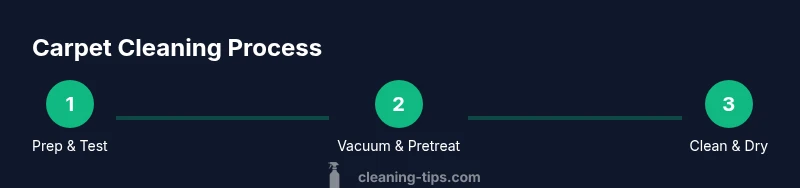
Prep area and test colorfastness
Start by clearing the room and removing furniture. Vacuum thoroughly to lift surface dirt. Test a small, inconspicuous area with your chosen cleaner, waiting 5–10 minutes to check colorfastness and fiber reaction. If color transfer or staining occurs, skip that cleaner and choose an alternative method. This step reduces the risk of setting stains and uneven shading later.
Tip: Always air out the room before cleaning and wear a mask if you’re sensitive to cleaning fumes. - 2
Vacuum thoroughly to remove loose soil
Use slow, overlapping strokes to pick up as much dirt as possible. Vacuum edges and along seams where dust settles. A deep initial pass minimizes the amount of soil that needs moisture-based cleaning later, reducing drying time and residue.
Tip: Don’t rush; a slow, deliberate pass yields better soil removal and fiber protection. - 3
Pretreat common stains
Apply a small amount of cleaner to stains such as coffee,油脂, or pet marks; blot gently with a clean cloth rather than rubbing. Allow the pretreatment to sit for 5–10 minutes to loosen embedded soils. For tough stains, repeat application rather than scrubbing aggressively.
Tip: Blot from the outside of the stain toward the center to prevent spreading. - 4
Choose and apply your cleaning method
Select a method suitable for your carpet type: hot water extraction, bonnet cleaning, or steam with a mild detergent. Apply the cleaning solution evenly; avoid saturating the carpet, which can extend drying times and promote mold growth. Follow label directions for dilution and contact time.
Tip: Pre-warm slightly if the carpet fiber tolerates it to improve cleaning efficiency. - 5
Agitate and lift dirt
Gently agitate the fibers with a soft brush or pad to help loosen embedded soils. Focus on high-traffic areas and edges where soil accumulates. If your carpet is looped, use lighter agitation to avoid fiber snagging.
Tip: Use short, controlled strokes to protect loops and maintain pile texture. - 6
Extract moisture and rinse if needed
Use a wet vacuum or extraction tool to remove as much moisture as possible. If using a rinse step, apply clean water and extract again to minimize residue. A thorough extraction reduces drying time and helps prevent sticky residues that attract dirt.
Tip: Ensure the carpet foam is removed; leaving residue can attract more dirt. - 7
Dry the carpet thoroughly
Increase airflow with fans and, if possible, run a dehumidifier. Open windows if outdoor humidity is low to speed drying. Avoid walking on the carpet until fully dry to prevent re-soiling. Drying times vary by room temperature, humidity, and carpet thickness.
Tip: Position fans to create a direct air path from the carpet surface toward an open area for faster evaporation. - 8
Final check and maintenance
Reassess the carpet after drying; treat any remaining spots as needed. Vacuum again to restore nap and lift fibers. Note down high-traffic areas to adjust future cleaning frequency and consider protective mats or area rugs to extend carpet life.
Tip: Keep a cleaning schedule to prevent soil buildup and maintain appearance. - 9
Post-cleaning odor management
If odors persist, sprinkle a light layer of baking soda after the carpet is dry and let it sit for 15–30 minutes before vacuuming. This helps neutralize lingering smells without harsh chemicals. Avoid using baking soda on very damp carpets.
Tip: Test baking soda on a small area first if your carpet has a delicate fiber.
Questions & Answers
How often should I clean carpet at home?
For high-traffic areas and homes with pets, aim for a deep clean every 6–12 months, with spot cleaning as needed between sessions. In low-traffic areas, a deep clean once a year may suffice. Monitor dirt buildup and odors to determine when you should clean.
Clean high-traffic areas more often, and rely on spot treatments between full cleans as needed.
What cleaning solutions are safest for most carpets?
Use pH-balanced, carpet-safe detergents or enzymatic cleaners designed for your carpet fiber. Avoid bleach on colored carpets and always test first. For wool or silk blends, choose products labeled safe for those fibers.
Choose a pH-balanced cleaner and test on a hidden spot before full use.
Can I DIY carpet cleaning without renting equipment?
Yes. You can perform pretreatment, hand-clean smaller areas, and use a light wet-dry approach for spot cleaning. For a full-room clean or heavily soiled carpets, consider renting a machine or hiring a professional for best results.
Yes—spot-cleaning and light wet cleaning are doable at home, but deep cleaning may require rental equipment or professional service.
Should I test colorfastness before cleaning?
Always test a small inconspicuous patch to confirm colorfastness and fiber compatibility before treating a larger area. If dye bleed or color change occurs, stop and switch cleaners or methods.
Test a hidden spot first to prevent unwanted color changes.
How long does carpet take to dry after cleaning?
Drying times vary with room temperature, humidity, and carpet thickness. On average, plan for several hours and ensure good airflow; avoid walking on it until fully dry.
Plan for several hours of drying and ensure good air circulation.
Is steam cleaning safe for pets and kids?
Steam cleaning is generally effective, but ensure carpets are completely dry before pets return to the room. Use pet-safe cleaners and good ventilation to minimize exposure to residues.
Steam cleaning can be safe if you ventilate well and carpets dry fully before use by pets or children.
Watch Video
The Essentials
- Prep and test to protect color and fiber
- Vacuum thoroughly to remove surface soil
- Choose a cleaning method compatible with your carpet
- Ensure complete drying to prevent mold and odors
- Maintain carpets with regular cleaning and spot treatment