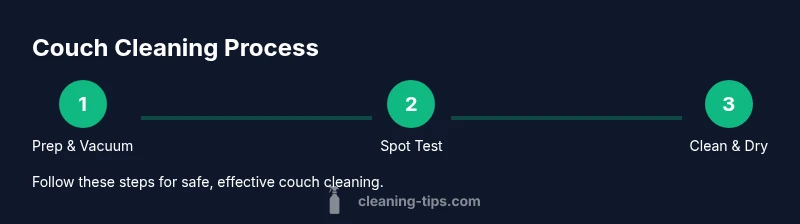
How to Clean Couches: A Step-by-Step Upholstery Guide
Learn safe, effective couch cleaning methods with stain removal, fabric care, and drying tips. This step-by-step guide covers microfiber, velvet, and leather upholstery, helping your space stay fresh.


By following these steps you’ll clean couches safely, extending fabric life and improving indoor air quality. This guide covers prep, stain-specific methods, upholstery types, and drying techniques, with practical tips and product suggestions to suit common household fabrics. You’ll learn how to test for colorfastness, select appropriate cleaners, and avoid over-wetting.
Why Regular Cleaning of Couches Matters for Health and Longevity
Keeping couches clean isn't just about aesthetics; it's a health and comfort issue for any home. How clean couches are maintained influences dust, allergens, and bacteria that can affect daily living, especially for children, pets, and allergy sufferers. This section explains why routine cleaning matters and how small, consistent habits pay off over time. According to Cleaning Tips, establishing a simple weekly vacuum and an on-demand spot-clean routine reduces trapped dust and surface grime that can contribute to odors and irritants. By treating spills promptly and using fabric-safe cleaners, you protect fabric fibers from set-in stains and fiber damage, which helps sofas last longer between refurbishments. The Cleaning Tips team found that a predictable cleaning cadence minimizes deep-clean headaches later, because you address small problems before they escalate into stubborn stains or mildew in damp climates. In practical terms, you’re creating a healthier, more comfortable living room where surfaces feel and look fresh. The goal isn't perfection; it's consistent care that respects fabric type, weave, and the sofa's design. With the right approach, couch cleaning becomes routine maintenance that supports a cleaner air quality and a more inviting space for family life.
Safety First: Prep, PPE, and Environment
Before you begin any couch cleaning, prepare the area. Remove cushions, throws, and nearby items that could get damaged or cause moisture buildup. Open windows or run a fan to ensure good ventilation, especially if you plan to use cleaners that include fragrances. PPE basics include gloves if you’re using any cleaners that could irritate skin, and a mask if you’re sensitive to dust. A well-ventilated space speeds up drying and reduces the risk of odors lingering after cleaning. According to Cleaning Tips, starting with a clean, dry workspace reduces the chance of re-soiling and helps you track what works best on your fabric. Always test a hidden spot for colorfastness and fabric reaction on a clean, white cloth before you touch visible areas. This prep work sets the stage for safer, more effective cleaning and minimizes risk to your furniture.
Understanding Upholstery Types and Cleaning Needs
Couches come in many fabrics, each with specific care requirements. Microfiber typically responds well to gentle cleaners and light brushing, while velvet can crush easily with heavy agitation and may require a brushing technique and specialized products. Leather needs conditioning and pH-balanced cleaners, not water-based soaps that can cause stiffness or cracking. The care label on your sofa is your best guide, but in general, light, fabric-safe cleaners work for most synthetic blends, while natural fabrics may demand more careful testing and milder solutions. Cleaning Tips emphasizes tailoring your approach to the material: microfiber often tolerates water-based cleaners, velvet benefits from dry or low-moisture methods, and leather benefits from conditioner after a cleaning session. This section helps you map fabric type to the appropriate method and products, reducing guesswork and protecting your investment in the furniture.
Stain-Specific Techniques: Common Spots and Solutions
Coffee rings, wine splashes, and pet accidents are common culprits on couches. For instant response, blot spills immediately with a clean cloth to remove surface moisture without rubbing the stain deeper. For water-based stains on durable fabrics, a mild solution of water and a gentle cleaner can work well when applied with a soft cloth in a circular motion. Oil-based stains like butter or lotion may require a solvent-based cleaner designed for upholstery, always tested first on a hidden area. For ink, makeup, or dye transfers, a color-safe stain remover applied with a blotting motion is often effective. The key is to avoid scrubbing aggressively, which can embed stains into fibers or damage delicate weaves. Throughout this section, remember that Cleaning Tips recommends testing any stain remover on a discreet patch before treating visible areas to prevent color loss or texture changes.
Choosing Cleaning Products and Tools: What Every Home Needs
A practical couch-cleaning kit includes a vacuum with an upholstery attachment, a soft-bristled brush, white microfiber cloths, and a mild, fabric-safe cleaner. For tougher stains, keep a color-safe stain remover on hand and use it sparingly. Avoid using bleach or highly acidic cleaners on most fabrics, especially when the care label warns against them. Do not mix cleaners, especially ammonia with bleach, as this produces dangerous fumes. If you’re tackling velvet or suede, choose products specifically formulated for those textures, and consider professional grade tools if the weave is crushed or nap-sensitive. Cleaning Tips notes that a small, curated kit helps you respond quickly to spills and maintain fabric appearance without a full deep-clean every time.
Deep Cleaning Routine: Step-by-Step Processing by Fabric Type
Deep cleaning is more involved than spot cleaning and requires a methodical approach. Start with a light vacuum to remove surface dust, then apply cleaners as appropriate for your fabric. Delicately work the cleaner into the fibers using gentle strokes and minimal moisture. Rinse off residues with a clean, damp cloth or blot away with towels, depending on the cleaner's instructions. Allow ample drying time, and never seal the area with cushions until completely dry. Once dry, you can brush microfiber to lift fibers back to their natural nap, or re-fluff velvet with a soft brush. Leather surfaces should be wiped with a damp cloth and finished with a conditioner after the surface is dry. Cleaning Tips underscores patience here: rushing wet couches leads to mildew and odors that are hard to reverse.
Drying, Odor Control, and Maintenance Between Cleanings
Drying is as important as cleaning. Use a fan or dehumidifier to speed up moisture removal, and prop cushions to improve air circulation. If odors persist, a light sprinkling of baking soda can help; let it sit for 15-30 minutes and then vacuum. Regular maintenance includes quick spot-clean sessions, routine vacuuming, and periodic deep-cleaning based on usage. The combined effect of consistent care reduces the frequency of heavy cleanings and preserves fabric integrity over time. The Cleaning Tips team emphasizes that maintaining a clean couch supports a healthier home environment and extends the life of your furniture.
Maintenance and Prevention: Simple Habits for Long-Term Freshness
Preventive care is often easier than deep cleaning. Address spills promptly, brush fabrics to keep nap looking fresh, and rotate cushions to ensure even wear. Place washable throws or slipcovers over high-traffic areas if you anticipate heavy use, and treat fabrics with a recommended protector if the care label allows. Routine upkeep minimizes stubborn stains and prolongs the life of your upholstery. According to Cleaning Tips, adopting a light, weekly cleaning habit plus periodic deep cleaning can keep couches looking newer for longer, while maintaining a healthier living space for everyone.
When to Seek Professional Help: Signs You Might Need a Pro
Some fabrics and stains call for professional care. If your sofa uses delicate velvet, antique leather, or if you have persistent odors that won’t respond to home cleaning, a professional upholstery cleaning service can help. They have specialized equipment and solvents that deliver deeper cleaning while protecting the fabric. If you’re unsure about care labels or fabric compatibility, or if your sofa is heavily soiled, professional cleaning is a prudent option. The decision to hire a pro can prevent fabric damage and extend the life of your furniture.
Tools & Materials
- Vacuum cleaner with upholstery attachment(Essential for removing loose dirt before cleaning)
- Soft-bristled brush(Gentle agitation to lift dirt without abrading fabric)
- White microfiber cloths(For blotting and applying cleaners)
- Mild upholstery cleaner (fabric-safe)(Follow label instructions; test on hidden area first)
- Stain remover (fabric-safe)(Use on persistent spots; test colorfastness first)
- Water and measuring cup(For diluting cleaners and rinsing if needed)
- Ventilation aid (fan or open window)(Speeds drying and reduces moisture buildup)
Steps
Estimated time: 60-90 minutes
- 1
Prep and vacuum the sofa
Clear cushions and decor. Vacuum the entire surface with the upholstery attachment, paying attention to seams and crevices where dirt hides. This step removes loose debris that could smear during cleaning and helps cleaners work more effectively.
Tip: Run the vacuum slowly to lift embedded particles without pushing dirt deeper. - 2
Test colorfastness on a hidden area
Dab a small amount of cleaner on an inconspicuous corner with a white cloth. Wait 1-2 minutes and blot with a dry section to check for color lift or bleeding. If color transfers, switch to a milder cleaner or consult the care label.
Tip: Always test before applying cleaner to visible areas. - 3
Apply cleaner to a small area and wait
Lightly apply cleaner to a small area following label directions. Do not saturate; use a damp cloth or brush to work in a circular motion. Allow to dwell briefly as recommended by the cleaner.
Tip: Use minimal moisture to avoid soak-through to cushions. - 4
Work in sections with gentle agitation
Move in small sections, using circular or back-and-forth motions depending on fabric. Focus on stains and traffic areas first. Rinse brush or cloth as needed to prevent re-deposit of dirt.
Tip: Keep tools clean to prevent spreading dirt. - 5
Rinse or blot away residue
If your cleaner requires rinsing, use clean water and a fresh cloth to blot; otherwise blot thoroughly to lift cleaner residue. Avoid soaking the fabric, which can cause mildew and warping. Finish with a damp cloth to remove any remaining soap.
Tip: Work from top to bottom to prevent re-soiling. - 6
Dry and deodorize thoroughly
Pat dry with towels and use fans or a dehumidifier to speed drying. Do not replace cushions until completely dry, as moisture promotes odors and mold. Sprinkle a light layer of baking soda, then vacuum after 15-30 minutes.
Tip: Check fabric for dampness with a hand under cushions. - 7
Final inspection and routine maintenance
Revisit stained spots, test again if necessary, and note any changes needed. Consider applying a fabric protector if recommended for your material. Establish a simple maintenance schedule to keep couches clean between deep cleans.
Tip: Keep a small cleaning kit handy for quick spot care.
Questions & Answers
Can I use bleach or hydrogen peroxide on couches?
Bleach is generally not recommended for most couch fabrics as it can weaken fibers and cause discoloration. Use color-safe stain removers and follow care labels. For leather, avoid water-based cleaners and use products designed for leather care.
Bleach is usually not recommended for fabrics; stick to color-safe cleaners and follow the care label instructions.
Is steam cleaning safe for all couches?
Steam can be effective on some fabrics but may damage others, especially delicate velvets or bonded fibers. Use low heat, avoid soaking, and never steam leather. Always follow fabric care labels and test a hidden patch first.
Steam cleaning works on some fabrics, but test first and avoid delicate materials.
How often should I deep clean a couch?
Deep cleaning depends on usage. For households with kids or pets, consider more frequent cleanings; otherwise, plan a deep clean every season or every 6-12 months based on visible soil and odors.
Deep clean as needed based on use and stains; more often with kids or pets.
Can I clean leather couches with household cleaners?
Leather requires pH-balanced cleaners and conditioners. Do not saturate with water and avoid harsh cleaners. Always test on a small area and follow recommended leather care products.
Leather needs special cleaners and conditioning; test first and follow the product instructions.
What should I do if a stain reappears after cleaning?
Blot the area again, reapply a stain remover with care, and avoid scrubbing. If persistence continues, consider professional cleaning to avoid setting the stain.
If a stain returns, re-treat carefully and consider a professional cleaning if needed.
Are velvet or suede couches risky to clean at home?
Velvet and suede demand specialized care. Use products designed for nap fabrics and avoid aggressive brushing. For thorough cleaning, professional services are often a better choice.
Velvet and suede need careful, fabric-specific care; professionals are often best.
Watch Video
The Essentials
- Vacuum before washing to remove surface dirt.
- Test colorfastness prior to cleaning.
- Do not over-wet fabrics to prevent mildew.
- Match cleaner to fabric type and follow label guidance.
- Dry thoroughly and maintain a regular cleaning routine.