How to Clean Microsuede Couch: A Practical Guide
Learn a safe, step-by-step method to clean microsuede couches without soaking or damaging the nap. This guide covers stain types, tools, and pro tips for long-lasting fabric.


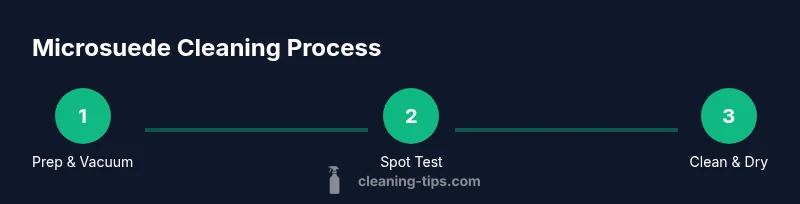
Goal: Clean a microsuede couch safely without soaking the fabric. Start by vacuuming to remove loose debris, then spot-treat stains with a mild soap solution or dry-cleaning solvent. Patch-test first, work with the nap direction, blot not rub, and air-dry. Finish by brushing the nap to restore texture.
What is microsuede and why it deserves careful cleaning
If you’re asking yourself how do i clean microsuede couch, you’re not alone. Microsuede is a synthetic microfiber fabric designed to resemble natural suede, but its nap and fibers respond differently to moisture and agitation. The key to preserving its soft, velvet-like feel is to treat stains gently and avoid saturating the fabric. When cared for properly, microsuede resists most everyday spills and can maintain its color and texture for years. Cleaning tips for microsuede couches center on controlled moisture, blotting out stains, and maintaining the fabric’s nap direction. By understanding the fabric’s structure and its edge cases, you can keep your sofa looking fresh without resorting to harsh cleaners or abrasive scrubbing. Cleaning Tips, in their ongoing guide to healthier homes, emphasizes that the safest approach blends minimal moisture with targeted spot treatment and thorough drying.
In practice, this means prioritizing blotting over rubbing, using a small amount of soap or a dedicated microsuede cleaner, and letting the fabric dry completely before use. The aim is not to remove every trace of a stain in a single pass, but to restore the nap and lift fibers back to their natural orientation. This patient, methodical approach reduces the risk of water rings, stiffness, or color fading, and it helps preserve the couch’s appearance over time.
wordsApproximate": 240
Tools & Materials
- Soft white microfiber cloth(For gentle blotting and lifting stains without linting)
- Clean spray bottle(Dilute soap solution or cleaner as directed)
- Mild dish soap(A few drops per cup of distilled water)
- Distilled water(Avoid minerals that can leave droplets or stains)
- Dry-cleaning solvent (or professional upholstery cleaner)(Test in hidden area first)
- Vacuum with upholstery attachment(Remove loose debris and dust before cleaning)
- White towels or cotton rags(Use dry towels for blotting after cleaning)
- Soft brush(Gently lift nap after drying)
- Protective gloves (optional)(Keep skin dry when handling cleaners)
Steps
Estimated time: 60-90 minutes
- 1
Vacuum the sofa to remove surface debris
Attach the upholstery nozzle and run the vacuum over every cushion and seam. Focus on crevices where dust and crumbs collect. This creates a clean baseline and reduces the chance of rubbing dirt into the nap during cleaning.
Tip: Vacuum in the direction of the fabric nap to avoid roughing up the fibers. - 2
Patch-test cleaner in an inconspicuous area
Dampen a white cloth with your chosen cleaner and apply to a hidden corner of the sofa. Wait a few minutes and check for color transfer or nap distortion before proceeding.
Tip: If color changes or nap appears dark, stop and switch to a gentler method. - 3
Blot stains with a mild soap solution
Mix a tiny amount of mild dish soap with distilled water in the spray bottle. Lightly mist the cloth, then blot the stained area from the outside toward the center. Avoid rubbing to prevent nap distortion.
Tip: Use a light touch and frequent blotting with clean fabric. - 4
Treat oily or stubborn stains with dry-cleaning solvent
Apply the solvent to a clean cloth and dab the stain gently. Do not apply solvent directly to the fabric. Allow the solvent to lift the stain, then blot with a fresh cloth.
Tip: Work in small sections and keep the fabric cool to prevent setting. - 5
Rinse and blot away residue
Dampen another cloth with distilled water and blot the cleaned area to remove any soapy or solvent residues. Blot—don’t rub—to protect nap texture.
Tip: Blot from the outside in, letting the damp cloth absorb residues gradually. - 6
Dry the fabric thoroughly
Place towels over the cleaned area and press to absorb moisture. Allow the couch to air-dry away from direct heat or sunlight. This helps prevent water rings and nap flattening.
Tip: If possible, run a fan nearby to speed up drying while keeping heat away from the fabric. - 7
Restore the nap after drying
Once completely dry, lightly brush the fabric in the direction of the nap with a soft brush to lift fibers and restore the texture.
Tip: Brush gently to avoid lifting loose threads. - 8
Refresh and rotate cushions
If you have multiple cushions, rotate them to promote even wear and maintain a uniform nap appearance across the sofa.
Tip: This practice helps prevent uneven shading over time. - 9
Monitor and repeat as needed
Check treated areas after they dry. Repeat targeted spot cleaning if any stain remains, but avoid over-wetting the fabric.
Tip: Consistency beats aggressive scrubbing in preserving microsuede nap.
Questions & Answers
Can I use water to clean microsuede couch?
A small amount of water with a mild soap solution is generally safe, but avoid soaking the fabric. Always blot rather than rub and patch-test first.
Yes, you can use a mild soap solution with a little water, but avoid soaking and always blot first.
Should I use household cleaners on microsuede?
Stick to mild soap and water or a dry-cleaning solvent; avoid bleach, ammonia, or abrasive cleaners that can damage the nap.
Stick to mild soap or a dry-cleaning solvent and avoid harsh chemicals.
How long does it take to dry microsuede after cleaning?
Drying times vary with room conditions, but plan for several hours of air-drying away from direct heat. Ensure the nap is fully recovered before use.
Drying can take several hours; keep it away from heat and let it air-dry fully.
Can I machine wash microsuede couch cushions?
Most microsuede fabrics shouldn’t be machine washed. Check the label; removable covers may have washing instructions, but the main couch generally requires spot cleaning.
Usually not. Check the label, and opt for spot cleaning or professional care if needed.
When should I call a professional?
If stains remain after home cleaning or the fabric shows nap distortion, seek professional upholstery cleaning to prevent damage.
If stains persist or nap looks damaged, consider a professional.
Watch Video
The Essentials
- Vacuum first to remove debris and prep the fabric.
- Patch-test every cleaner before use.
- Blot stains, don’t rub, to protect nap.
- Dry completely and fluff the nap after cleaning.
- If stains persist, consider professional upholstery care.